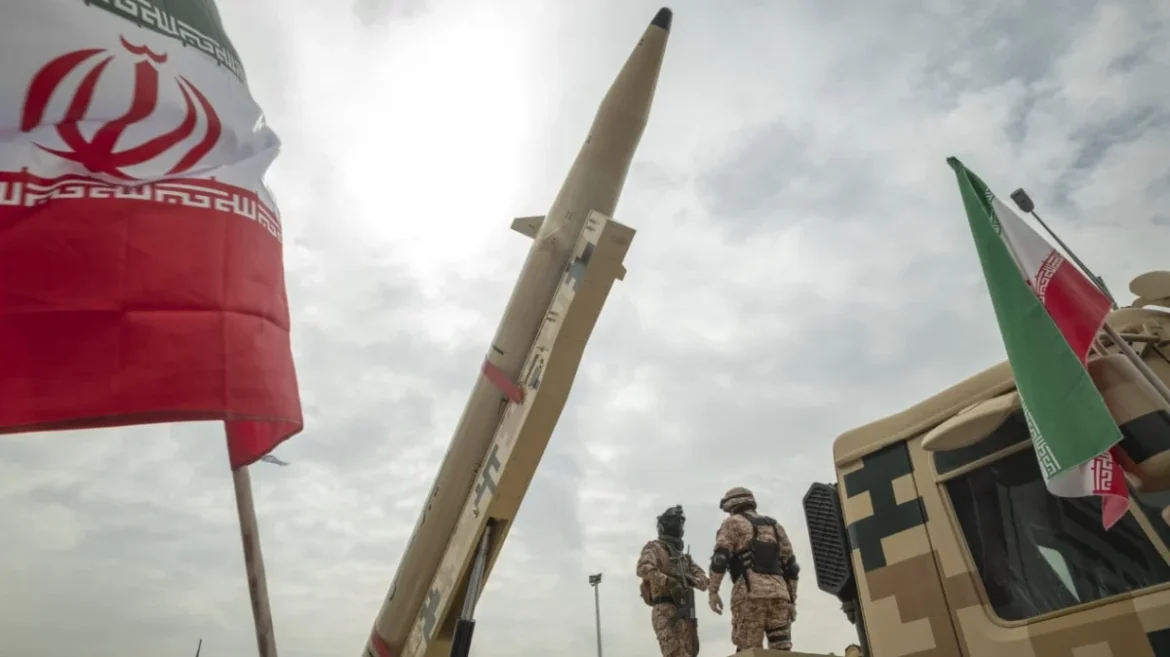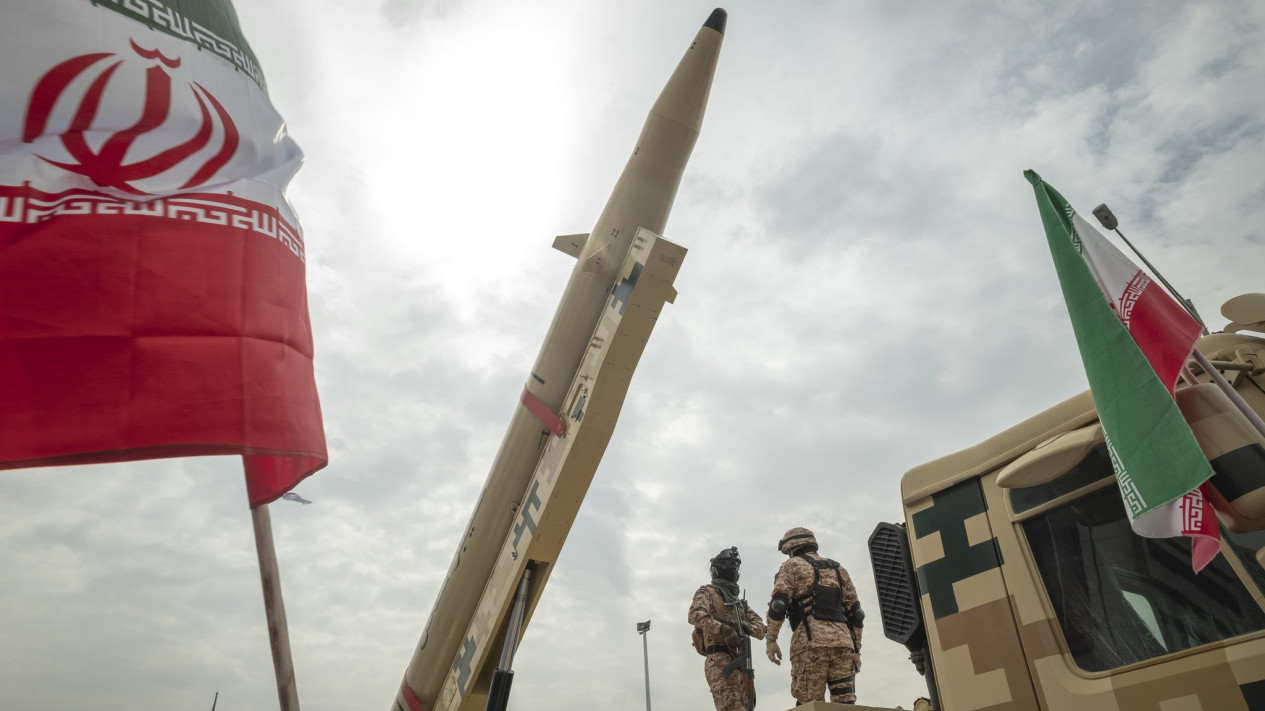
The geopolitical landscape of the Middle East plunged further into volatility on Thursday, July 23, 2026, as the United States launched its thirteenth consecutive night of strikes against targets within Iran, with explosions reported in multiple Iranian cities early Friday. This sustained military action has coincided with a dramatic escalation in maritime shipping disruptions, particularly in the strategically vital Strait of Hormuz and the Houthi-controlled Bab al-Mandeb Strait, signaling a dangerous new phase in regional conflict that carries significant global implications.
The recent flurry of military activity and the severe constriction of maritime traffic underscore the profound fragility of global supply chains and the intricate, often perilous, interplay of military power and economic interests in one of the world’s most critical regions. The United States Central Command (CENTCOM) confirmed the latest round of strikes, detailing targets aimed at degrading Iran’s military capabilities, while shipping data revealed unprecedented low transit rates through key chokepoints, painting a grim picture of escalating conflict and its far-reaching consequences.
A Night of Sustained US Military Action
The thirteenth consecutive night of US military operations against Iran culminated in a series of targeted strikes that concluded around 01:00 GMT on Friday, as reported by CENTCOM. These operations represent a significant intensification of direct US military engagement, following what American officials have characterized as a series of provocative actions by Iran and its proxies in the region. The specific objectives of these strikes, according to CENTCOM, included Iranian military command centers, drone storage facilities, communication networks, coastal surveillance sites, and various maritime capabilities. This broad targeting strategy suggests an intent to disrupt Iran’s ability to project power and conduct operations, particularly those affecting international shipping and regional security.
On the ground in Iran, state television broadcaster IRIB reported multiple explosions and attacks in several cities during Friday morning. Among the locations cited were Khondab, Khorramabad, Konarak, and Jask. These cities hold strategic importance: Khondab is known for its heavy water production plant, a component of Iran’s nuclear program, though it has been modified under international agreements. Khorramabad hosts significant military installations, including missile bases. Konarak and Jask are coastal cities in the southeastern Sistan and Baluchestan province, strategically located near the Strait of Hormuz, housing important naval and air force bases that are critical for Iran’s maritime and air defense capabilities in the Gulf. The reported attacks in these diverse locations suggest a comprehensive effort by the US to impact various facets of Iran’s military and strategic infrastructure.
Deepening Crisis in Maritime Shipping
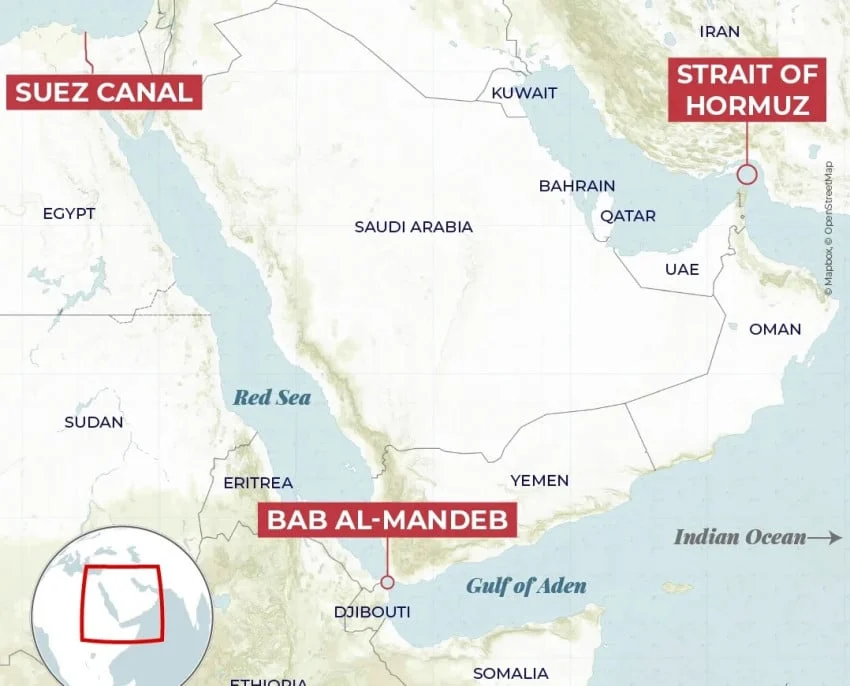
Concurrent with the military escalation, the lifeline of global commerce through the Middle East has shown alarming signs of distress. Data tracking ship movements revealed a stark reality in the Strait of Hormuz on Thursday: only a single tanker managed to transit the waterway. This figure marks the lowest level of passage recorded since May 7, indicating an extraordinary level of disruption and a profound shift in shipping patterns. The Strait of Hormuz, a narrow passage between the Persian Gulf and the Arabian Sea, is arguably the world’s most important oil chokepoint, through which approximately one-fifth of the world’s total petroleum consumption, or about 21 million barrels per day, passes. Any significant impediment to transit here has immediate and severe implications for global energy markets and prices.
Adding another layer of complexity to the maritime crisis, the Houthi-controlled Bab al-Mandeb Strait, connecting the Red Sea to the Gulf of Aden, also remained a flashpoint. Despite a naval blockade against Saudi Arabia announced by the Yemeni Houthi movement on Monday, shipping data from the London Stock Exchange Group indicated that two Chinese supertankers carrying crude oil from Saudi Arabia successfully exited the Bab al-Mandeb Strait on Friday. This development highlights the nuanced nature of the Houthi blockade, which appears to be selectively enforced or perhaps subject to specific arrangements, especially concerning major global economic powers like China, which has significant energy interests in the region. The Bab al-Mandeb Strait is another critical maritime chokepoint, essential for shipping between Europe and Asia via the Suez Canal, with an estimated 6.2 million barrels of crude oil, petroleum products, and liquefied natural gas (LNG) passing through daily.
Chronology of Escalation: A Dangerous Trajectory
The current crisis is not an isolated event but the culmination of a prolonged period of escalating tensions and proxy conflicts in the Middle East.
- Early 2020s: Heightened tensions between the US and Iran following the US withdrawal from the Iran nuclear deal (JCPOA) in 2018, reimposition of sanctions, and a series of tit-for-tat actions, including attacks on shipping, drone incidents, and cyber warfare.
- Late 2023 – Early 2024: Significant increase in attacks by Houthi rebels in Yemen on international shipping in the Red Sea and Bab al-Mandeb, purportedly in solidarity with Palestinians in Gaza. These attacks prompted a multinational naval response led by the US, Operation Prosperity Guardian, aimed at protecting maritime commerce.
- Mid-2024: Persistent Houthi attacks continue, leading to rerouting of vessels around the Cape of Good Hope, significantly increasing shipping costs and transit times. US and UK forces conduct retaliatory strikes against Houthi targets in Yemen.
- Late 2025 – Early 2026: A series of incidents, including alleged Iranian-backed militia attacks on US personnel or assets in Iraq and Syria, and suspected Iranian involvement in drone attacks on commercial vessels in the Gulf, trigger a more robust US response.
- July 2026 (leading up to the current events): Reports of increased Iranian military exercises, deployment of advanced naval capabilities, and heightened rhetoric against US presence in the region. The Houthi movement formally announces a naval blockade against Saudi Arabian shipping, further ratcheting up regional tensions.
- July 11, 2026: The US initiates its first direct strikes against Iranian targets, marking the beginning of the "thirteen consecutive nights" of attacks, framed as a response to specific Iranian actions or threats.
- July 23, 2026: The thirteenth night of US strikes, coinciding with the reported low transit rates in the Strait of Hormuz and the selective enforcement of the Houthi blockade.
The Strategic Significance of the Chokepoints
The Strait of Hormuz and the Bab al-Mandeb Strait are more than just shipping lanes; they are global economic arteries. Disruptions in these areas have immediate and profound effects:
- Strait of Hormuz: Located between Oman and Iran, it connects the Persian Gulf (home to major oil producers like Saudi Arabia, Iran, UAE, Kuwait, and Iraq) to the open ocean. Approximately 30% of all seaborne-traded crude oil and other liquids pass through this strait. Any prolonged closure or severe disruption could trigger a global energy crisis, sending oil prices skyrocketing and plunging economies into recession. The current transit rate of a single tanker is an unprecedented low, suggesting either extreme caution by shipping companies or active deterrence/interdiction.
- Bab al-Mandeb Strait: Located between Yemen on the Arabian Peninsula and Djibouti and Eritrea on the African Horn, it connects the Red Sea to the Gulf of Aden. It is a vital link for vessels transiting to and from the Suez Canal, a shortcut between Europe and Asia. An estimated 12% of global trade and 10% of global seaborne oil pass through this strait. Houthi attacks here have already forced many shipping companies to reroute vessels around Africa’s Cape of Good Hope, adding thousands of miles and weeks to journeys, increasing fuel costs, insurance premiums, and delivery times, ultimately raising consumer prices globally.
The fact that two Chinese supertankers managed to pass through Bab al-Mandeb despite the Houthi blockade against Saudi Arabia is noteworthy. China is the world’s largest oil importer, and Saudi Arabia is a key supplier. This suggests a complex web of diplomatic and economic considerations, potentially indicating that the Houthis are either unwilling or unable to target Chinese-flagged or China-bound vessels, or that specific diplomatic assurances have been made.
International Reactions and Calls for De-escalation
The escalating military conflict and maritime disruptions have drawn urgent reactions from around the world.
- United States: CENTCOM statements emphasize the defensive nature of the strikes, aimed at deterring further Iranian aggression and protecting US interests and international shipping. US officials have reiterated calls for Iran to cease its destabilizing activities and adhere to international norms.
- Iran: Iranian state media and officials have largely condemned the US strikes as acts of aggression and violations of national sovereignty. While specific retaliation has not been formally declared in response to these latest strikes, Iran has historically vowed "crushing responses" to perceived attacks, often through its proxies in the region. Iran also maintains that its military presence in the Gulf is for self-defense and regional security.
- United Nations: The UN Secretary-General’s office has repeatedly called for an immediate de-escalation of tensions, emphasizing the catastrophic humanitarian and economic consequences of a wider conflict. UN envoys are likely engaging in back-channel diplomacy to prevent further escalation and protect civilian populations.
- International Maritime Organization (IMO): The IMO and various shipping industry associations have expressed grave concerns over the safety of seafarers and the freedom of navigation. They are likely issuing updated advisories to vessels, recommending increased vigilance, security measures, or alternative routes, while urging states to ensure safe passage.
- China: As a major global trading power and energy consumer, China has consistently called for peace and stability in the Middle East. While navigating its own economic interests, as evidenced by the passage of its supertankers, Beijing has typically advocated for dialogue and de-escalation, urging all parties to exercise restraint.
- Regional Powers (e.g., Saudi Arabia, UAE): Nations directly impacted by the Houthi blockade and potential spillover from US-Iran tensions are likely to be on high alert. They would be coordinating security measures and likely supporting international efforts to secure maritime routes, while potentially expressing concerns about the broader destabilization.
Broader Impact and Implications
The current trajectory of events carries severe implications across multiple domains:
- Global Economy: The most immediate impact is on global energy markets. A sustained disruption in the Strait of Hormuz could send oil prices soaring past historical highs, triggering inflation and potentially global recession. Increased shipping costs due to rerouting around Africa will translate to higher consumer prices for goods worldwide, exacerbating existing inflationary pressures. Insurance premiums for vessels transiting the region have already skyrocketed, making trade more expensive and riskier.
- Regional Stability: The direct US strikes on Iranian territory, even if aimed at military targets, significantly raise the risk of a broader regional conflict. Iran could retaliate directly against US assets, regional allies, or through its network of proxy groups in Iraq, Syria, Lebanon, and Yemen. This could destabilize already fragile states and lead to widespread humanitarian crises. The possibility of miscalculation leading to an all-out war is a grave concern.
- Geopolitical Landscape: The conflict tests the limits of international law and diplomacy. The effectiveness of multilateral institutions in de-escalating conflicts and protecting global commons like freedom of navigation will be scrutinized. The role of major powers like China and Russia, with their own interests and influence in the region, will be critical in shaping future developments.
- Cyber Warfare: Beyond conventional military strikes, the conflict could escalate into a significant cyber war, targeting critical infrastructure, financial systems, and communication networks, with potential global ripple effects.
- Humanitarian Crisis: A large-scale conflict would inevitably exacerbate existing humanitarian crises in Yemen, Syria, and Iraq, leading to increased displacement, food insecurity, and loss of life.
Conclusion: On the Brink
The unfolding events in the Middle East represent a critical juncture. The thirteenth consecutive night of US strikes against Iran, coupled with unprecedented disruptions in the world’s most vital energy waterways, paints a picture of a region teetering on the brink of wider conflict. The delicate balance between deterrence and escalation is being severely tested, with profound consequences for global energy security, international trade, and regional stability. As international calls for de-escalation grow louder, the world watches anxiously, hoping that diplomacy can yet avert a catastrophic escalation of what has become a protracted and increasingly dangerous confrontation. The actions taken in the coming days and weeks by all parties will determine whether the region slides further into chaos or finds a precarious path back from the precipice.