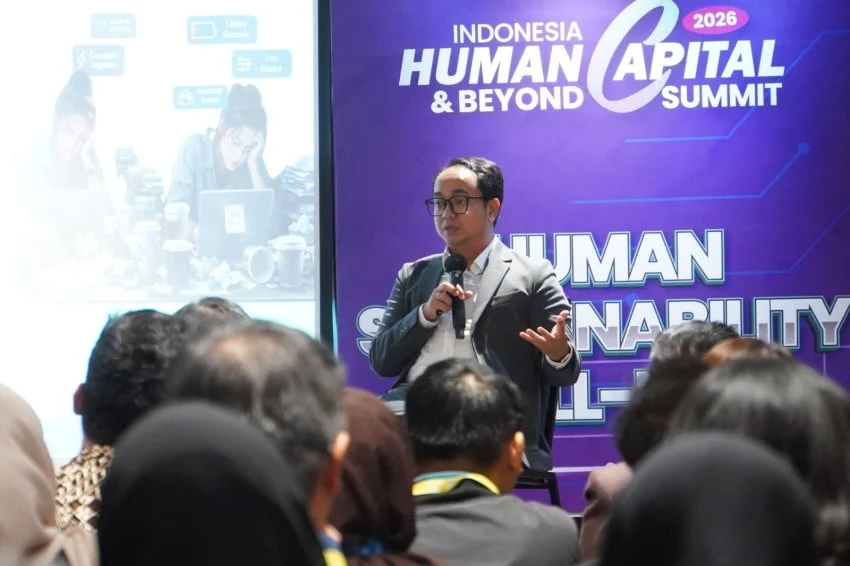
JAKARTA — The modern workplace is undergoing a seismic shift, moving away from traditional models of human resource management toward a more holistic, integrated approach known as Career Well-being (CWB). This paradigm shift took center stage at the Indonesia Human Capital and Beyond Summit (IHCBS) 2026, held in Jakarta on September 15–16, 2026. As organizations navigate the complexities of a volatile global economy, industry leaders are increasingly recognizing that the sustainable performance of a company is inextricably linked to the professional and personal health of its workforce.
Ivan Ahda, Director of Strategic & Advisory at KTM Solutions, emphasized that the responsibility for employee well-being can no longer be relegated solely to the individual. During his keynote address and subsequent breakout sessions, Ahda argued that when burnout becomes an endemic issue within an organization, the focus must pivot from personal stress management to a systemic evaluation of the work environment itself. This transition from "personal well-being" to "organizational responsibility" serves as the core theme of the evolving professional landscape in the latter half of the 2020s.
The Evolution of Career Well-being
Historically, well-being initiatives in the corporate sector were often confined to physical health perks, such as gym memberships or basic health insurance. However, the post-pandemic era—characterized by hybrid work, rapid digital transformation, and the persistent threat of talent attrition—has forced a recalibration. Career Well-being, as defined at the IHCBS 2026, encompasses a multi-dimensional framework: social, psychological, environmental, physical, and financial health.
The summit highlighted that failing to address these dimensions often leads to "Organizational Fatigue," a state where collective exhaustion permeates the workforce, leading to decreased innovation, lower productivity, and, ultimately, high turnover rates. As global labor markets remain competitive, companies that fail to integrate well-being into their core business strategy risk losing top-tier talent to competitors who prioritize human-centric management.
The Chronology of the 2026 Human Capital Discourse
The IHCBS 2026 served as a critical milestone for HR practitioners and business leaders across the Southeast Asian region. The event, which spanned two intensive days, was designed to address the "Triple Challenge": maintaining high performance during economic instability, managing the integration of advanced artificial intelligence into daily workflows, and fostering an inclusive, resilient corporate culture.
On September 15, the opening day, discussions centered on the macro-economic shifts impacting the Indonesian labor market. Analysts noted that the rapid adoption of automation and AI had created a "skill gap anxiety," where employees fear for their long-term career viability. By the second day, September 16, the focus shifted toward practical implementation, with KTM Solutions leading the charge on identifying the symptoms of systemic burnout.
The "The Burnout Audit: Detecting Organizational Fatigue Before Turnover Occurs" session became one of the most attended segments of the summit. In this session, participants were introduced to analytical tools designed to map out the indicators of employee fatigue, such as declining engagement, absenteeism, and a breakdown in inter-departmental communication, before they manifest as formal resignation letters.
Data-Driven Insights and Assessment Frameworks
A key highlight of the KTM Solutions presence at the summit was the introduction of the Career Well-being Assessment. This tool allows organizations to quantify the qualitative aspects of their culture. By measuring the five dimensions of well-being, firms can now generate a "Human Capital Health Index."
Supporting data presented at the summit indicated that organizations utilizing structured well-being audits have seen a 15% reduction in unplanned turnover compared to industry peers. Furthermore, research discussed during the panel sessions revealed that for every dollar invested in proactive well-being strategies, companies realize a return of approximately $3.20 in reduced healthcare costs and enhanced productivity. These figures underscore the transition of human resources from a cost center to a strategic driver of profitability.
Addressing the Burnout Epidemic
Ivan Ahda’s critique of the current status quo struck a chord with many attendees. "We have spent decades telling employees to be more resilient, to manage their stress, and to find a better work-life balance," Ahda stated during his presentation. "But if the environment is inherently toxic or the workload is structurally unsustainable, resilience is not a cure; it is merely a temporary bandage."
This perspective shifts the accountability back to leadership. Organizations are now being urged to perform "Burnout Audits," which analyze workloads, management styles, and the efficacy of existing support structures. This diagnostic approach allows companies to detect "organizational fatigue" early. If a team is showing signs of high stress, the audit helps leadership identify whether the issue stems from unrealistic deadlines, poor resource allocation, or a lack of clear communication—problems that can be solved through policy adjustments rather than individual therapy sessions.
Implications for Future Business Strategy
The implications of the discussions at IHCBS 2026 are profound. For CEOs and Boards of Directors, the message is clear: talent sustainability is a boardroom issue. The traditional "hire-and-replace" model is becoming increasingly expensive and inefficient. In an era where institutional knowledge is a primary competitive advantage, retaining talent is not just about competitive salaries; it is about providing an environment where individuals can thrive over the long term.
Industry observers note that the shift toward "Career Well-being" is not merely a philanthropic endeavor. It is a calculated risk-management strategy. As regulatory bodies in various jurisdictions begin to look closer at occupational health and safety (including mental health), companies that proactively implement these frameworks are better positioned to comply with emerging labor standards.
Furthermore, the rise of the "purpose-driven workforce"—particularly among Gen Z and millennial professionals—means that top talent is increasingly evaluating potential employers based on their commitment to employee welfare. Companies that demonstrate a tangible, data-backed approach to well-being will likely gain an advantage in the war for talent.
Official Responses and Industry Sentiment
While the summit provided a platform for experts, the reactions from the floor were equally telling. Many HR directors in attendance expressed a desire for more standardized metrics across the industry. Currently, the definition of "well-being" remains somewhat fragmented. The consensus among the summit participants was that the initiative led by KTM Solutions and other industry stakeholders to provide standardized assessment tools is a necessary step toward professionalizing this domain.
"The challenge is no longer about proving that well-being matters; we know it does," noted one participant from a multinational financial services firm. "The challenge is about how we integrate these audits into our existing KPIs without creating further administrative burden. The framework presented at this summit provides a roadmap for that integration."
The Road Ahead: 2026 and Beyond
As the IHCBS 2026 concludes, the focus for the remainder of the year is on implementation. Organizations are expected to refine their internal assessment mechanisms and hold leadership teams accountable for the results. The goal for 2027, according to summit organizers, is to move beyond the "audit" phase and into the "transformation" phase, where well-being data directly informs leadership training, project management, and organizational design.
The legacy of this summit will likely be defined by the shift in language—from "employee care" to "organizational sustainability." As Ivan Ahda and his contemporaries continue to push for a structural overhaul of the workplace, the focus will remain on the synergy between business success and the enduring health of the human beings who drive it. The era of the "Burnout Audit" has officially begun, and those who ignore the warning signs do so at the peril of their own institutional stability.
In summary, the IHCBS 2026 has successfully signaled a departure from the superficial wellness initiatives of the past. By framing Career Well-being as a critical business metric, the summit has provided the foundation for a more sustainable, resilient, and human-centric future of work. As companies return to their respective sectors, the true test will be their willingness to embrace the systemic changes required to foster a workforce that is not just productive, but fundamentally well.