
The modern fitness landscape has elevated post-exercise recovery from a routine cool-down to a specialized science, with contrast therapies like saunas and ice baths sitting firmly at the center of gym culture. Across fitness centers, wellness clubs, and high-performance training facilities worldwide, athletes and casual exercisers alike are increasingly dividing their post-workout regimens into two distinct schools of thought: those who embrace the numbing shock of cold-water immersion to soothe aching limbs, and those who seek the profound, sweat-inducing heat of traditional thermal cabins to melt away physical tension.
While both modalities dramatically alter human physiological responses, they operate through fundamentally opposing mechanisms, meaning their therapeutic benefits cannot be used interchangeably. As the debate over optimal recovery protocols intensifies within sports science communities, practitioners and fitness enthusiasts are forced to look beyond wellness trends and examine the empirical evidence. Determining whether to choose a sauna or an ice bath after a strenuous workout ultimately depends on specific physiological goals, training phases, and individual health profiles, as each treatment triggers a unique cascade of systemic reactions within the human body.
The Rise of Modern Recovery Rituals: Context and Background
To understand the current popularity of thermal and cryogenic therapies, one must examine the evolution of sports science over the past several decades. Historically, post-exercise recovery relied primarily on passive rest, light stretching, proper hydration, and nutritional replenishment. However, as professional sports evolved into multi-billion-dollar industries where microscopic performance gains translate into championships and lucrative contracts, sports physiologists began searching for aggressive interventions to accelerate physical turnaround times.
Ice baths, scientifically known as cold-water immersion (CWI), emerged from elite training camps and clinical rehabilitation wards. Initially utilized by endurance runners, soccer players, and combat sports athletes to manage acute inflammation and reduce delayed-onset muscle soreness (DOMS), CWI quickly trickled down to amateur fitness enthusiasts through social media and wellness influencers. Concurrently, the Finnish tradition of sauna bathing transitioned from a cultural pastime to a globally recognized wellness practice, backed by growing interest in its cardiovascular and autonomic nervous system adaptations. Today, fitness facilities routinely integrate both amenities side by side, inviting gym-goers to transition seamlessly from extreme heat to freezing cold—a practice often referred to as contrast hydrotherapy.
Physiological Breakdown of Ice Baths: Benefits, Mechanisms, and Limitations
Ice bath therapy generally involves immersing the lower body or entire body up to the neck in water maintained at temperatures typically ranging between 10 to 15 degrees Celsius for approximately 5 to 15 minutes. The immediate physiological response to this extreme cold is profound vasoconstriction: blood vessels near the surface of the skin and in the peripheral tissues rapidly narrow, redirecting blood flow toward the body’s core to protect vital organs.
Upon exiting the cold water, rebound vasodilation occurs, as the vessels expand and newly oxygenated blood flushes back into the extremities and muscle tissue. This process is widely believed to flush out metabolic waste products, minimize localized inflammation, and blunt the inflammatory cascade triggered by micro-tears in muscle fibers resulting from high-intensity resistance training or endurance efforts.
According to a landmark meta-analysis published in the journal Sports Medicine, cold-water immersion consistently outperforms passive recovery and several other active modalities in reducing subjective muscle soreness following strenuous exercise. Athletes reporting high levels of DOMS 24 to 72 hours post-workout frequently experience accelerated relief when incorporating CWI into their immediate recovery window. Furthermore, studies indicate that ice baths can partially restore short-term markers of explosive power and neuromuscular function, making them particularly valuable during tournament schedules or multi-day training camps where rapid turnaround is essential.
However, sports scientists urge caution regarding the timing and frequency of ice baths. Recent physiological research suggests that the acute inflammatory response suppressed by cold-water immersion is not merely a byproduct of damage, but an essential signaling mechanism required for muscle hypertrophy and strength adaptation. When an individual engages in heavy resistance training specifically designed to build muscle mass or strength, taking an ice bath immediately afterward can attenuate the cellular signaling pathways—such as mTOR activation—that drive muscle protein synthesis. Consequently, bodybuilders and strength athletes are increasingly advised to separate cold exposure from hypertrophy-focused lifting sessions by several hours, or reserve ice baths strictly for endurance-based or competition-heavy periods.
Deconstructing the Sauna: Cardiovascular Adaptations and Relaxation Dynamics
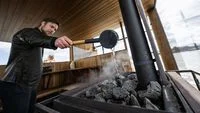
In stark contrast to the cryogenic shock of an ice bath, the Finnish sauna exposes the human body to ambient dry heat ranging from 80 to 100 degrees Celsius for durations of 10 to 20 minutes. Inside the thermal environment, the skin temperature rises rapidly, triggering profuse sweating as the body attempts to cool itself through evaporative heat loss.
This thermal stress induces dramatic changes within the cardiovascular system. Heart rate elevates significantly, often mirroring the cardiovascular workload of moderate-intensity aerobic exercise, while peripheral blood vessels dilate to enhance blood flow to the skin and extremities. Systolic blood pressure may temporarily drop or remain stable, while vascular compliance improves due to the repeated dilation and contraction of arterial walls over time.
Extensive observational research, including studies featured in Mayo Clinic Proceedings, has established strong correlations between regular sauna usage and favorable long-term health outcomes. Population-based cohorts tracked over decades indicate that individuals who incorporate frequent sauna sessions into their weekly routines exhibit a statistically significant reduction in the incidence of cardiovascular events, hypertension, stroke, and all-cause mortality. The physiological mechanisms driving these benefits are believed to include improved endothelial function, reduced systemic inflammation, enhanced arterial elasticity, and optimized autonomic nervous system regulation.
Beyond cardiovascular health, the sauna serves as a powerful instrument for mental and physical relaxation. The intense heat promotes the release of endorphins, reduces cortisol levels, and eases muscular tension accumulated during heavy physical exertion. Many athletes utilize the sauna post-workout specifically to facilitate parasympathetic nervous system dominance—transitioning the body from the "fight-or-flight" stress of intense exercise into a state of deep rest conducive to restorative sleep.
Comparative Analysis: Evaluating Sauna versus Ice Bathing for Specific Athletic Goals
When examining whether to choose a sauna or an ice bath, sports physiologists emphasize that neither modality universally surpasses the other. Instead, the optimal choice is governed by the specific physiological objective of the training session.
If the primary objective is the mitigation of acute muscle soreness, management of post-exercise swelling, and rapid restoration of athletic performance ahead of an imminent subsequent event, the scientific consensus favors the ice bath. The localized analgesic effect of cold water combined with lowered tissue temperature effectively dampens pain receptor signaling and restricts fluid accumulation in damaged muscle compartments.
Conversely, if the training session emphasized muscular hypertrophy, structural strength development, or simply left the athlete mentally and physically exhausted without severe localized muscle damage, the sauna emerges as the superior option. By preserving the inflammatory signaling necessary for muscle growth while simultaneously offering profound cardiovascular stimulation and neurological relaxation, the sauna supports holistic systemic recovery without compromising training adaptations.
Timing, Integration, and Broader Recovery Implications
To maximize the efficacy of either intervention, sports medicine professionals recommend thoughtful integration within the broader post-workout timeline. Jumping directly from a high-intensity workout into freezing water or extreme heat places immense acute stress on the cardiovascular system. A gradual transition—allowing the heart rate to normalize through light active recovery or hydration for 15 to 20 minutes—is strongly advised before initiating either thermal or cryogenic therapy.
Furthermore, medical experts emphasize that advanced recovery modalities like saunas and ice baths represent only the final tier of an effective recovery pyramid. No amount of cold-water immersion or thermal exposure can compensate for fundamental deficiencies in the baseline recovery triad: adequate, high-quality sleep; balanced nutritional intake emphasizing protein synthesis and glycogen replenishment; and meticulous rehydration with appropriate electrolyte balance. Overtraining, chronic sleep deprivation, and poor dietary habits will inevitably undermine physical progress regardless of how sophisticated an athlete’s hydrotherapy routine may be.
Broader Implications for Public Health and Wellness
The widespread commercial availability of saunas and ice baths in modern fitness establishments reflects a broader cultural shift toward proactive, preventative health maintenance. As wellness seekers increasingly take control of their physiological longevity, understanding the precise mechanisms of thermal and cryogenic therapies transforms them from trendy lifestyle accessories into evidence-based tools for physical optimization.
Ultimately, deciding whether to step into a sauna or submerge oneself in an ice bath is not a matter of following athletic fashion or social media conventions. It requires a nuanced, individualized assessment of current physical exertion, training objectives, and systemic needs. By listening closely to the physiological signals of the body and aligning recovery choices with scientific reality, fitness enthusiasts can harness the distinct healing properties of both extreme heat and penetrating cold to achieve sustainable, long-term health and athletic performance.
