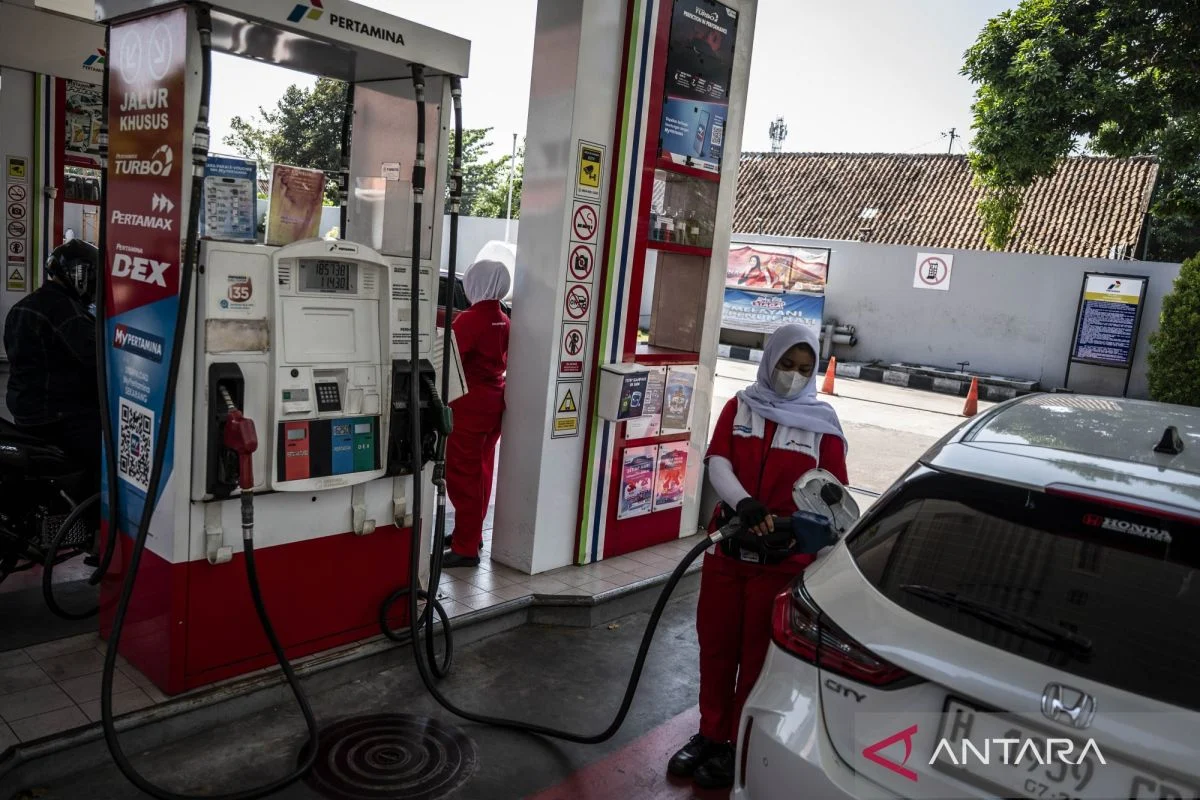
Jakarta (ANTARA) – The inadvertent act of filling a vehicle with the incorrect type of fuel remains a surprisingly common and often costly mistake for motorists globally, frequently exacerbated by rushed schedules, distraction, or a simple lack of attention to the specific fuel requirements of their vehicle. Despite every modern vehicle being meticulously engineered to operate on a particular fuel type, precisely aligned with the manufacturer’s engine specifications, these errors persist, leading to a cascade of mechanical issues that can range from diminished performance to severe, expensive, and potentially irreparable engine damage. The financial repercussions alone can escalate into thousands of dollars, underscoring the critical importance for every vehicle owner to fully comprehend the multifaceted impact of misfuelling and the immediate, decisive steps required should such an error occur.
The Foundational Importance of Using the Correct Fuel
Fuel is not merely a consumable; it is a fundamental determinant of a vehicle’s engine performance, longevity, and operational efficiency. The automotive landscape primarily utilizes several distinct fuel types: gasoline (petrol), diesel, and increasingly, various forms of alternative fuels such as compressed natural gas (CNG) or liquefied petroleum gas (LPG). Each possesses unique chemical compositions and combustion characteristics, making them suitable only for specific engine designs.
For gasoline-powered vehicles, manufacturers typically specify a minimum Research Octane Number (RON), such as RON 92 or RON 95, often indicated on the fuel cap or in the owner’s manual. The octane rating is a measure of a fuel’s resistance to "knocking" or "pinging" – a phenomenon where the fuel ignites prematurely in the combustion chamber due before the spark plug fires. Using fuel with the appropriate octane rating ensures a more controlled and complete combustion process. This optimization translates directly into sustained engine power, improved fuel economy, and a significantly reduced risk of long-term engine wear and tear. Modern engines, particularly those with higher compression ratios, turbochargers, or direct injection systems, are exceptionally sensitive to octane levels, relying on precise combustion timing to operate effectively and efficiently. Deviating from the recommended RON can disrupt this delicate balance, triggering compensatory measures by the engine control unit (ECU) that often result in reduced power output and increased fuel consumption.
Conversely, diesel engines operate on a fundamentally different principle. They rely on the high compression of air within the cylinder to spontaneously ignite the diesel fuel, eliminating the need for spark plugs. Diesel fuel itself, beyond its caloric value, also serves a crucial lubricating function within the intricate high-pressure fuel injection systems characteristic of modern diesel engines. Its higher viscosity and inherent lubricating properties are vital for protecting components like the fuel pump and injectors, which operate under extreme pressures and temperatures. Given these stark differences in combustion mechanics and fuel properties, gasoline and diesel are chemically incompatible and cannot be used interchangeably in their respective engine types without severe consequences.
The Costly Mistake: Misfuelling Scenarios and Their Consequences
The types of misfuelling incidents, while varied, typically fall into a few common categories, each with its own distinct set of risks and potential damages.
-
Scenario 1: Using Lower Octane Fuel in a Gasoline Engine
One of the most frequent errors for gasoline vehicles involves filling the tank with fuel that has a lower octane rating than recommended by the manufacturer. A common example in markets like Indonesia might be consistently using Pertalite (typically lower RON) in a vehicle designed for Pertamax (higher RON). While not immediately catastrophic, the long-term effects are insidious.Lower octane fuel combusts less efficiently in an engine designed for higher octane. This inefficiency manifests as a noticeable decrease in engine power and a measurable increase in fuel consumption, as the engine’s ECU attempts to compensate by adjusting ignition timing. More critically, it can lead to engine "knocking" or "pinging," where uncontrolled combustion occurs before the spark plug fires, placing immense stress on internal engine components. Over prolonged periods, this pre-ignition can accelerate wear on pistons, connecting rods, and crankshaft bearings. Furthermore, modern fuel injection systems and fuel pumps, calibrated for specific fuel characteristics, may experience increased strain and premature failure when exposed to fuel outside their designed parameters. While some modern vehicles can adapt to lower octane fuels through knock sensors and ECU adjustments, this adaptation often comes at the expense of optimal performance and engine longevity. The potential for damage to catalytic converters due to incomplete combustion and increased emissions is also a significant concern.
-
Scenario 2: Filling a Gasoline Engine with Diesel Fuel
This is a far more serious and potentially catastrophic error. Diesel fuel requires extremely high compression to ignite, a mechanism fundamentally absent in a gasoline engine, which relies on a precise spark from a spark plug.Initially, a gasoline vehicle misfuelled with diesel might still start and run briefly, drawing on any residual gasoline left in the fuel lines. However, as the diesel fuel begins to reach the combustion chambers, the engine’s inability to ignite it effectively becomes apparent. The vehicle will rapidly lose power, begin to sputter violently, and then stall completely, becoming extremely difficult or impossible to restart. The non-combustion of diesel in a gasoline engine can lead to fouled spark plugs, clogged fuel injectors, and damage to the catalytic converter as unburnt fuel passes through the exhaust system. If the driver attempts to force the vehicle to continue running, the risk of severe internal engine damage increases dramatically. The lack of proper combustion, coupled with the different lubricating properties of diesel compared to gasoline, can place undue stress on pistons, valves, and the cylinder head, potentially leading to catastrophic engine failure, often referred to as a "blown engine," especially if the vehicle is driven at high speeds or under heavy load. Repair costs in such a scenario can easily run into thousands of dollars, often necessitating a complete engine overhaul or replacement.
-
Scenario 3: Filling a Diesel Engine with Gasoline Fuel
Conversely, introducing gasoline into a diesel engine also carries severe implications, primarily due to gasoline’s vastly different properties, particularly its lack of lubricating qualities.Diesel fuel is not only the combustible agent for a diesel engine but also serves as a vital lubricant for the precision-engineered, high-pressure components within the fuel system, such as the fuel pump and injectors. These components operate under immense pressures (up to 30,000 psi in common rail direct injection systems) and rely heavily on the lubricating properties of diesel to prevent metal-on-metal friction and premature wear. Gasoline, being a much lighter and less viscous fluid, lacks these critical lubricating characteristics. When gasoline replaces diesel, these vital components are stripped of their protective lubrication, leading to excessive friction and rapid wear. This can quickly cause the high-pressure fuel pump to seize and the delicate injectors to malfunction or completely fail.
Symptoms often include a noticeable loss of engine power, erratic idling, rough running, and extreme difficulty in starting the engine, often culminating in the vehicle stalling completely. The heat generated by friction, combined with the incorrect combustion properties, can also damage the fuel filter and other parts of the fuel delivery system. Given the complexity and high cost of diesel fuel system components, particularly common rail injectors and high-pressure pumps, repairs for this type of misfuelling can be exceptionally expensive, frequently exceeding the cost of repairing a gasoline engine misfuelled with diesel. A complete replacement of the fuel system, from the tank to the injectors, is often the recommended, albeit costly, solution.
Recognizing the Red Flags: Symptoms of Misfuelling
Identifying misfuelling early can significantly mitigate damage. Drivers should be alert to several key indicators that their vehicle might have received the wrong fuel:
- Engine Stalling: The vehicle starts, runs for a short period (minutes), and then unexpectedly stalls. This is particularly common if there was residual correct fuel in the lines.
- Reduced Performance: A sudden and noticeable loss of engine power, sluggish acceleration, or difficulty maintaining speed.
- Rough Idling or Sputtering: The engine runs unevenly, vibrates excessively, or produces unusual noises.
- Unusual Exhaust Smoke: Excessive or unusually colored smoke from the exhaust (e.g., white smoke from a diesel engine or black smoke from a gasoline engine).
- Warning Lights: Illumination of the "Check Engine" light or other dashboard warning indicators related to the fuel system or engine performance.
- Strong, Unusual Odor: A distinct smell of the incorrect fuel type, especially from the exhaust or engine bay.
- Difficulty Restarting: After stalling, the engine refuses to restart or cranks slowly and without ignition.
If any of these symptoms emerge shortly after a refuelling stop, there is a high probability that the vehicle has been misfuelled.
Immediate Action: A Critical Response Timeline
The promptness and correctness of action following a misfuelling incident are paramount in determining the extent of potential damage and repair costs.
-
If the Error is Realized Before Starting the Engine: This is the best-case scenario. Do not, under any circumstances, start the engine. Even cycling the ignition can activate the fuel pump and circulate the incorrect fuel throughout the system. The vehicle should be moved by being pushed manually or towed directly to a reputable service center. The primary objective is to drain the entire fuel tank and fuel lines before the incorrect fuel has a chance to enter the combustion system. This preventative measure can save thousands in repairs.
-
If the Engine Has Already Started or the Vehicle Was Driven:
- Stop Immediately: As soon as any symptoms of misfuelling appear, or the error is realized, safely pull over to the side of the road and switch off the engine. Do not attempt to continue driving, as this will only exacerbate the damage.
- Do Not Restart: Resist the urge to try and restart the engine. This can force more incorrect fuel into critical components.
- Seek Professional Help: Contact a roadside assistance service, your vehicle manufacturer’s emergency helpline, or a certified mechanic. Arrange for the vehicle to be towed to a workshop.
- Professional Assessment and Repair: At the service center, technicians will typically perform a comprehensive procedure. This usually involves completely draining the fuel tank, flushing the entire fuel system (lines, filter, and sometimes the fuel rail), and a thorough inspection of key components like the fuel pump, fuel injectors, spark plugs (for gasoline engines), and glow plugs (for diesel engines) for any signs of contamination or damage. Depending on the severity and duration of the misfuelling, parts replacement might be necessary.
Preventative Measures: Safeguarding Your Vehicle
Preventing misfuelling is far simpler and cheaper than repairing its consequences. A few conscientious habits can virtually eliminate the risk:
- Know Your Vehicle’s Fuel: Always be aware of the exact fuel type and recommended octane/cetane rating for your vehicle. This information is invariably found in the owner’s manual, on a sticker inside the fuel filler flap, or on the fuel cap itself.
- Double-Check at the Pump: Before inserting the nozzle, take a moment to visually confirm the fuel type and grade indicated on the pump and nozzle. This is especially crucial when driving an unfamiliar vehicle, a rental car, or when you are distracted or in a hurry.
- Color-Coding and Nozzle Sizes: While not universal, many regions use color-coded nozzles (e.g., green for petrol, black for diesel). Additionally, diesel nozzles are often slightly larger than petrol nozzles, making it physically harder, though not impossible, to insert a diesel nozzle into a petrol car’s filler neck. However, a petrol nozzle will easily fit into a diesel car’s filler neck, making this scenario more common. Do not rely solely on physical barriers; conscious verification is key.
- Inform Fuel Attendants: If you are at a full-service station, clearly state your fuel preference to the attendant and consider visually confirming the nozzle selection before they begin pumping.
- Avoid Distractions: Refuelling is not the time for phone calls or other distractions. Focus solely on the task at hand.
Broader Impact: Economic, Environmental, and Safety Dimensions
Beyond the immediate mechanical damage and repair costs, misfuelling carries broader implications. Economically, the downtime of a vehicle for repairs can impact livelihoods, particularly for commercial drivers. The depreciation of a vehicle that has suffered significant engine damage due to misfuelling is also a factor. Environmentally, incomplete combustion and damaged catalytic converters lead to increased harmful emissions, contributing to air pollution. From a safety perspective, an engine stalling unexpectedly in heavy traffic or at high speeds poses a significant road hazard, potentially leading to accidents. Insurance coverage for misfuelling can also be complex; while some comprehensive policies might cover such incidents, others classify it as driver error and may deny claims, leaving the owner to bear the full financial burden.
In conclusion, understanding and adhering to the correct fuel specifications for a vehicle is a non-negotiable aspect of responsible vehicle ownership. While seemingly a minor oversight, misfuelling can trigger a cascade of severe mechanical failures, resulting in exorbitant repair bills, significant vehicle downtime, and potential safety risks. By cultivating a habit of vigilance at the pump and knowing the appropriate response should an error occur, drivers can effectively safeguard their investment, ensure optimal vehicle performance, and contribute to safer roads. This seemingly simple act of diligence is, in reality, a critical component of vehicle maintenance and operational safety.
Pewarta: Raihan Fadilah
Editor: Suryanto
Copyright © ANTARA 2026