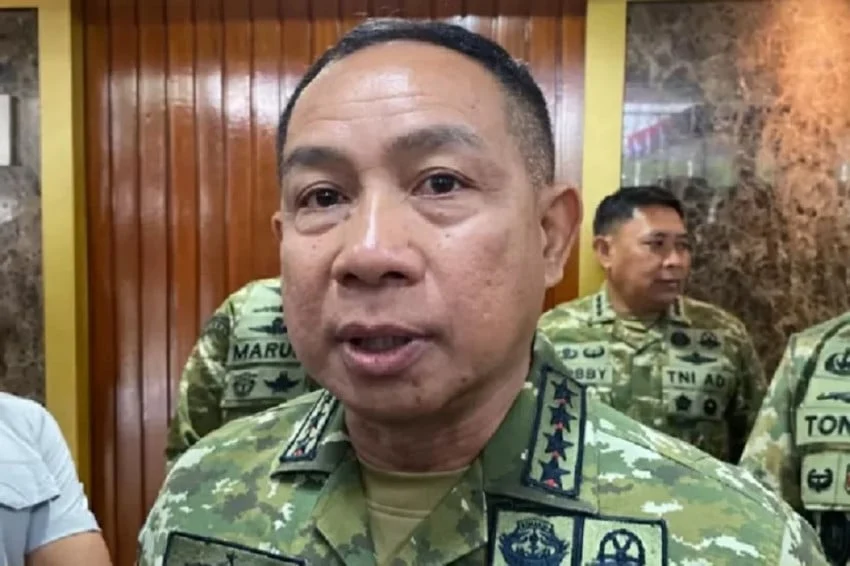
The mobilization of Indonesian National Armed Forces (TNI) personnel to the capital city of Jakarta has recently become a focal point of public discourse, prompting an official clarification from the highest military leadership. TNI Commander General Agus Subiyanto addressed the deployment, characterizing it as a routine yet critical component of the military’s preparedness strategy designed to safeguard the sovereignty of the Unitary State of the Republic of Indonesia (NKRI) against various potential threats.
As the political and economic hub of the nation, Jakarta occupies a strategic position that necessitates a heightened level of security readiness. The presence of additional military assets and personnel in the capital, while often viewed through the lens of political sensitivity, is officially classified under the military’s internal "Siaga" (Alert) status. This status serves as a proactive measure to ensure that the armed forces remain capable of responding swiftly to exigencies, whether they stem from natural disasters or man-made disruptions to public order.
Understanding the Military’s "Siaga" Protocol
According to General Agus Subiyanto, the term "Siaga" is a foundational concept in military operations. It denotes a state of readiness that allows the TNI to transition rapidly from routine garrison activities to active defensive or support operations. This alert system is not an isolated event but rather a tiered operational framework that dictates how forces are organized, equipped, and positioned to maintain national stability.
The deployment of troops to Jakarta is part of a broader mandate to uphold the national security architecture. By maintaining a visible and prepared presence, the TNI aims to serve as a deterrent against potential threats that could destabilize the capital. The military leadership emphasizes that this maneuver is conducted in strict accordance with legal mandates, ensuring that the armed forces operate within their defined constitutional role as defenders of the state.
Categorizing National Threats: Natural and Man-Made
The rationale provided by the military leadership for this deployment is rooted in a dual-threat assessment model. General Agus highlighted two primary categories of risks that necessitate the presence of the TNI in high-density areas such as Jakarta:
- Natural Threats: This category encompasses disaster management and humanitarian relief operations. Given Jakarta’s vulnerability to seasonal flooding, land subsidence, and other environmental hazards, the TNI plays a vital role as a first responder. Their presence allows for the rapid deployment of medical teams, search and rescue units, and logistics support when civil authorities are overwhelmed.
- Man-Made Threats: This category involves a broader spectrum of challenges, including public order disruptions, potential sabotage of vital national infrastructure, and threats to internal stability. The military’s role in this domain is generally supportive of the Indonesian National Police (Polri), acting as a secondary line of defense when the scale of the threat exceeds the capacity of civil law enforcement.
Chronology of Recent Military Activity in Jakarta
While the current deployment has gained significant media traction, it follows a sequence of strategic movements by the TNI across the archipelago. Throughout late 2026, the Indonesian military has been engaged in a series of routine readiness exercises aimed at enhancing inter-service interoperability.
- Early October 2026: The TNI high command initiated a comprehensive audit of rapid-response units stationed in West Java and Jakarta, focusing on logistics readiness and communication protocols.
- Late October 2026: Joint drills involving the Navy (TNI AL) were conducted in the coastal regions surrounding Jakarta. These drills were officially framed as preparation for potential maritime security threats, though they also served to stress-test the command-and-control systems between naval assets and land-based units.
- November 2026: The current phase of deployment began, characterized by the increased visibility of personnel and equipment in the capital. Official statements clarified that these movements were not reactive to a single specific incident but were part of a pre-planned maintenance of security readiness.
Contextualizing the Role of the TNI in National Stability
The Indonesian military has historically maintained a significant footprint in Jakarta, not only due to its administrative importance but also because of the concentration of critical government and diplomatic infrastructure. The "Siaga" status is a standard procedural element, yet its implementation is often scaled according to the prevailing geopolitical climate and domestic security indicators.
Analysts note that the current focus on "maintaining sovereignty" is a reflection of the TNI’s broader strategy to modernize its defense posture. By integrating the concepts of Territorial Defense (Pertahanan Wilayah) with rapid-response capabilities, the military seeks to modernize how it manages security in urban centers. This strategy acknowledges that modern threats—ranging from cyber-warfare to civil unrest—require a more agile and adaptable military structure than the conventional warfare models of the past.
Perspectives from Related Defense Stakeholders
The TNI Navy (TNI AL) has echoed the sentiments expressed by General Agus, noting that their contributions to the current deployment in Jakarta are multifaceted. Aside from the aforementioned disaster relief and stability roles, the Navy has emphasized its commitment to the security of Jakarta’s ports and maritime gateways, which are essential for the nation’s economic continuity.
Military observers have suggested that the current deployment also serves as an opportunity for the TNI to conduct training under real-world conditions. By integrating troops into the urban environment, the military can better identify logistical bottlenecks, improve coordination with local law enforcement, and refine the rules of engagement for urban peacekeeping scenarios.
Analysis: Implications for National Security and Public Perception
The deployment of military personnel in a major metropolitan area inevitably draws attention from human rights observers and political analysts. To mitigate concerns regarding civil-military relations, the TNI leadership has been careful to frame the deployment within the context of legal and constitutional duties.
The implications of this heightened alert status are twofold:
- Operational Readiness: The ability to mobilize troops into a city like Jakarta efficiently is a key performance indicator for the TNI. It demonstrates a capacity for rapid deployment that is essential for national security in an era of unpredictable global and regional crises.
- Public Trust and Transparency: Effective communication from the military leadership, as demonstrated by General Agus’s public explanation, is crucial for maintaining public trust. By clearly distinguishing between the types of threats the military is prepared to face, the TNI reduces the potential for public anxiety or rumors that often accompany the sight of military hardware in city centers.
Future Outlook and Strategic Preparedness
As Indonesia navigates the complexities of the mid-2020s, the role of the TNI remains central to the nation’s resilience. The focus on maintaining the integrity of the NKRI is a primary directive that guides every aspect of military planning. Future developments in the TNI’s strategic posture will likely continue to prioritize the modernization of surveillance technology, improved coordination with regional military commands, and a continued emphasis on human-centric security operations.
The military leadership has indicated that the "Siaga" status is dynamic. As conditions in Jakarta and across the country evolve, the density and nature of the deployed forces will be adjusted accordingly. The military remains committed to the principle that its strength lies in its readiness to serve the state, whether by providing aid during natural disasters or by standing as a bulwark against threats to national unity.
In conclusion, the deployment of TNI troops to Jakarta is a functional expression of the military’s mandate to ensure state security. By categorizing threats into natural and man-made, and by maintaining a state of high readiness, the TNI aims to provide a stable foundation for the nation’s ongoing development. For the public, the increased presence of the military serves as a tangible reminder of the ongoing commitment of the armed forces to the protection of the Republic, ensuring that the heart of the nation remains secure in the face of an uncertain global landscape.