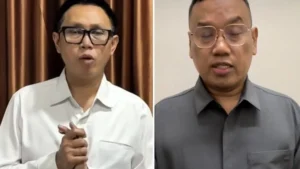
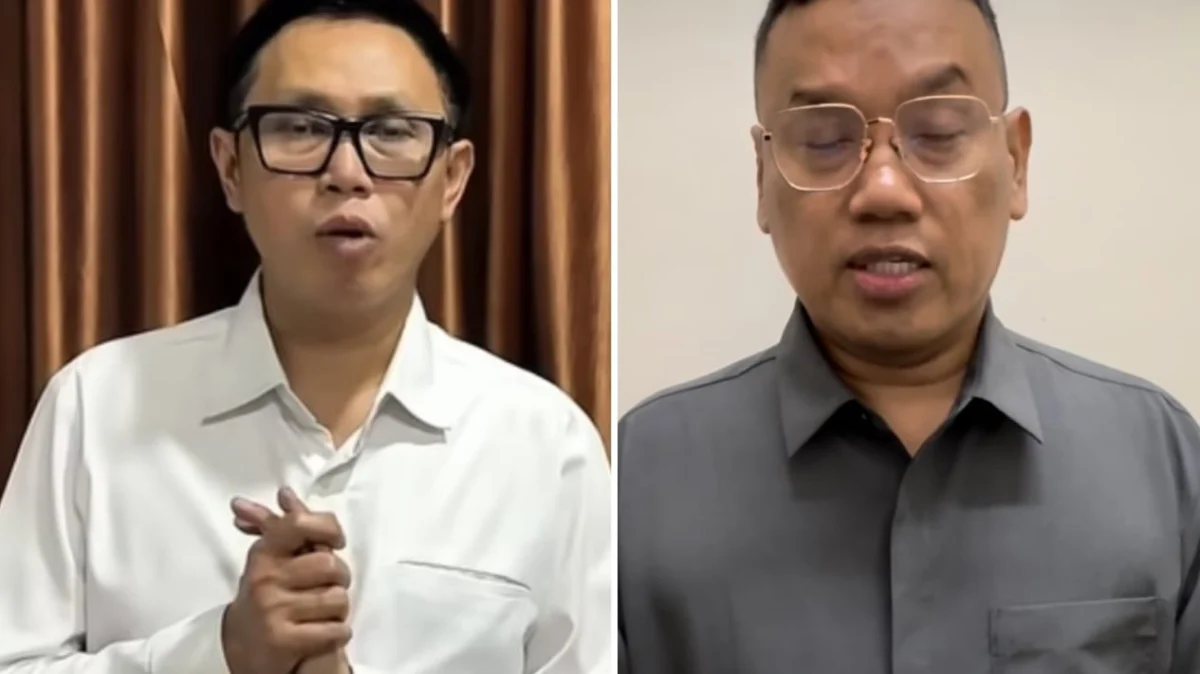
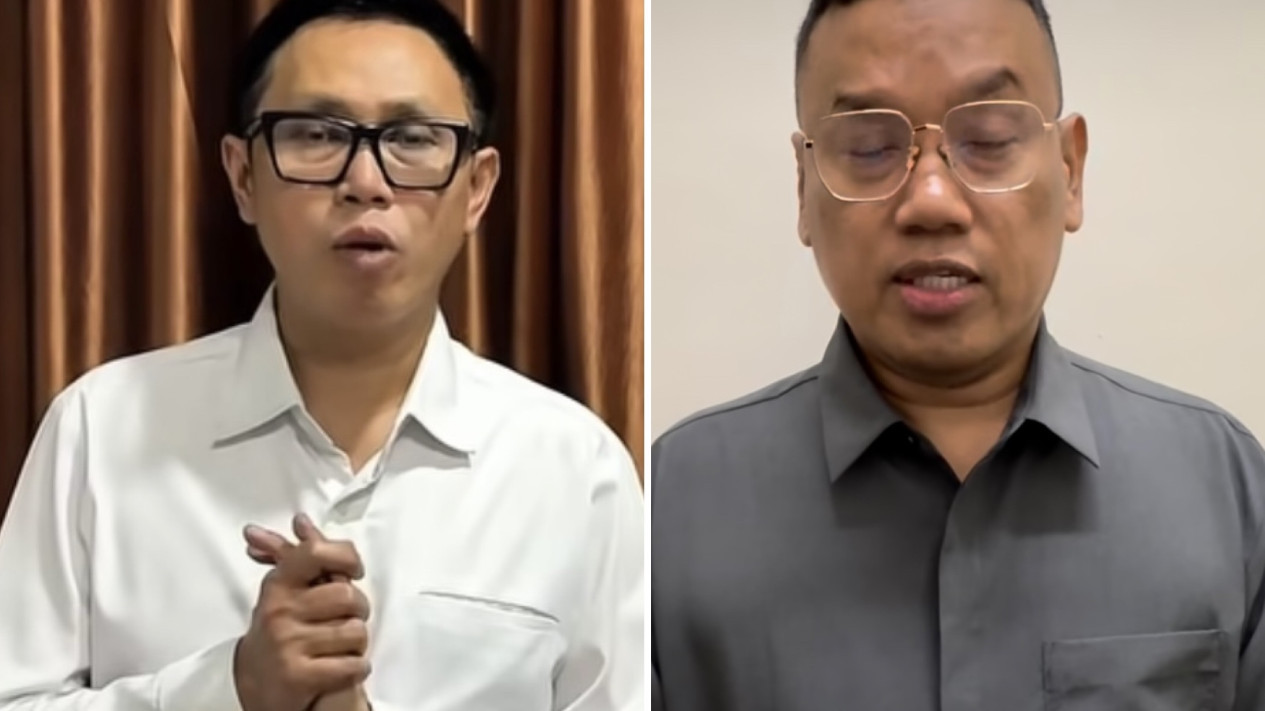
Jakarta, VIVA – The political future of prominent celebrity politicians Eko Hendro Purnomo, widely known as Eko Patrio, and Surya Utama, or Uya Kuya, remains uncertain as the National Mandate Party (PAN) confirmed on Wednesday, October 22, 2025, that both individuals are still listed as non-active members of the House of Representatives (DPR RI). This announcement comes nearly two months after their initial deactivation from their legislative roles, sparking widespread discussion about party discipline, legislative accountability, and the evolving landscape for celebrity figures in Indonesian politics.
The confirmation was delivered by Eddy Soeparno, Deputy Chairman of PAN, who addressed queries regarding the status of the two former entertainers-turned-politicians. "As of now, the Central Executive Board (DPP) of PAN maintains their status as non-active members," Soeparno stated to reporters, reiterating the party’s position. He further elaborated that the ultimate decision regarding their long-term status or any potential reinstatement rests with the party’s Chairman, Zulkifli Hasan, and would be communicated through the PAN faction leadership within the DPR RI. "The developments will, of course, await further directives from the Chairman and will then be communicated to the leadership of the PAN faction," he clarified, emphasizing the internal deliberation process still underway.
Background of the Deactivation
The decision to deactivate Eko Patrio and Uya Kuya initially surfaced through a press release issued by the PAN DPP, which was circulated to various media outlets on Sunday, August 31, 2025. This official communication announced their formal removal from active duty as members of the PAN Faction in the DPR RI, effective Monday, September 1, 2025. The press statement, signed by PAN Chairman Zulkifli Hasan and Deputy Chairman Viva Yoga Mauladi, marked a significant turn for the two popular figures who had successfully transitioned from entertainment careers to national politics.
The press release at the time also included a broader message, urging the public to remain calm, patient, and to place their trust in the administration of President Prabowo Subianto. It underscored PAN’s commitment to supporting the government and aligning itself with the interests of the people. This contextual framing suggested that the deactivation might be part of a larger strategic move by the party, potentially aimed at bolstering its image of discipline and responsiveness within the political landscape, particularly under a new presidential mandate.
Eko Patrio, a renowned comedian and television personality, had a long and established career in entertainment before venturing into politics. He was first elected to the DPR RI in 2009, representing the East Java VIII electoral district, and has since served multiple terms, building a reputation as one of the most visible celebrity politicians. Uya Kuya, known for his charismatic presence as a television host and illusionist, followed a similar path, leveraging his public appeal to secure a seat in the DPR RI, representing the Jakarta II electoral district. Their presence in parliament often brought a unique blend of public recognition and political engagement, albeit sometimes accompanied by scrutiny regarding their legislative performance versus their public persona.
Chronology of Events Leading to the Current Status
The timeline surrounding the deactivation of Eko Patrio and Uya Kuya provides a clearer picture of the events:
- Early-to-Mid 2025 (Inferred): Unspecified internal party discussions and performance reviews likely took place within PAN concerning its legislative members. While no specific incidents were publicly cited as the direct cause for deactivation, political analysts suggest that such decisions often stem from a combination of factors, including perceived underperformance, deviations from party line, or strategic realignment of legislative resources. Reports from political observers indicate an increasing push within various political parties to ensure that their representatives are actively engaged in legislative duties and are seen to be contributing effectively to the party’s agenda and public image.
- Sunday, August 31, 2025: The DPP PAN officially issued a press release announcing the deactivation of Eko Hendro Purnomo (Eko Patrio) and Surya Utama (Uya Kuya) from their roles as DPR RI members representing the PAN Faction. The statement cited "observing current dynamics and developments" as the rationale, without specifying particular transgressions. This phrasing suggests a broad, strategic decision rather than a response to a single, isolated event.
- Monday, September 1, 2025: The deactivation officially took effect, meaning Eko Patrio and Uya Kuya ceased to be active members of the DPR RI from this date. This would have entailed a cessation of their legislative duties, privileges, and representation within the parliament.
- Wednesday, October 22, 2025: Deputy Chairman Eddy Soeparno publicly confirmed that both individuals remain in a non-active status, indicating that the internal review process or the conditions leading to their deactivation have not yet been resolved or changed. His statement underscores that the final decision rests with the party chairman, Zulkifli Hasan, and the PAN faction leadership.
Supporting Data and Contextual Analysis
The deactivation of DPR members, while not exceedingly common, is a mechanism available to political parties to ensure discipline and adherence to party objectives. According to the Indonesian legislative framework, political parties hold significant power over their elected representatives, including the authority to recall or sanction members who are deemed to be in violation of party rules or underperforming. This power is crucial for maintaining party cohesion and ensuring that legislative actions align with the party’s platform.
A 2024 study by the Indonesian Centre for Political Studies (ICPS) on parliamentary dynamics noted that approximately 5-7% of legislative members across various parties face some form of internal disciplinary action, ranging from warnings to deactivation or full recall, within a single five-year term. While the reasons vary, common factors include absenteeism, failure to champion party policies, involvement in controversies, or a strategic decision by the party to consolidate power or replace members deemed less effective. For celebrity politicians, the scrutiny can be even higher, as their public profile often leads to greater expectations and more intense media attention regarding their legislative performance. The ICPS report specifically highlighted that "celebrity politicians, while often successful in garnering votes due to their popularity, face a unique set of challenges in transitioning to effective legislative roles, with public and party expectations often diverging."
The mention of trusting the Prabowo Subianto administration in PAN’s initial press release is also significant. With a new presidential term often comes a renewed focus on governmental efficiency, accountability, and strong political alignment among coalition partners. PAN, as a key supporter of the current government, may be keen to project an image of strong internal discipline and effective governance, starting with its own representatives in parliament. This could imply a heightened standard for its DPR members, ensuring they contribute actively to the government’s agenda and uphold public trust.
Official Responses and Party Dynamics

Beyond Eddy Soeparno’s statements, there has been a noticeable silence from other senior PAN officials regarding the specifics of the deactivation. This indicates a tightly controlled narrative, with the party preferring to manage information internally until a definitive resolution is reached. The emphasis on Chairman Zulkifli Hasan’s ultimate authority highlights the centralized decision-making process within PAN, particularly on matters of significant internal political consequence.
Efforts to reach Eko Patrio and Uya Kuya for comment have been met with similar reticence, suggesting that both individuals are either adhering to party directives to remain silent or are engaged in private discussions with the party leadership to resolve their situation. Their silence, while understandable in a politically sensitive situation, adds to the speculative nature of the circumstances surrounding their deactivation.
Political analyst Dr. Kartika Dewi from the University of Indonesia commented on the situation, suggesting that "PAN’s handling of Eko and Uya’s status reflects a growing trend among Indonesian political parties to assert greater control over their legislative members. It’s a strategic move to project an image of discipline and commitment to public service, especially in the early stages of a new administration. For celebrity politicians, this serves as a potent reminder that popularity alone does not guarantee long-term political security without active legislative engagement and party alignment." She added that such actions, while potentially unpopular among some segments of the public, are often seen as necessary by party leadership to maintain internal cohesion and electoral viability.
Broader Impact and Implications
The non-active status of Eko Patrio and Uya Kuya carries several implications for PAN, the DPR RI, and the broader political landscape:
- For PAN: The party risks alienating some of its celebrity-driven voter base, but conversely, it could bolster its image as a disciplined and serious political entity committed to legislative effectiveness rather than merely relying on popular figures. It could also signal a shift in its strategy for candidate recruitment, potentially prioritizing legislative acumen over pure celebrity appeal in future elections. The party’s ability to smoothly manage this internal issue will be crucial for its public perception and internal stability.
- For the DPR RI: This incident reinforces the principle of party supremacy over individual legislative members. While representatives are elected by the people, their continued membership and active participation are heavily influenced by their respective political parties. It sets a precedent for accountability, suggesting that even high-profile members are not immune to internal party sanctions.
- For Celebrity Politicians: The case serves as a cautionary tale for other entertainers considering or currently holding political office. It highlights the demanding nature of legislative work and the necessity of balancing public appeal with substantive policy engagement and adherence to party directives. It could lead to increased scrutiny of celebrity politicians’ performance and attendance records.
- Public Perception: The public’s reaction will likely be mixed. Some may view it as a necessary step to ensure accountability and seriousness in parliament, while others might see it as an arbitrary exercise of party power or a squandering of popular mandates. The emphasis in PAN’s initial statement on trusting the government and working for the people suggests an attempt to frame this decision within a broader narrative of good governance and national interest.
As the situation develops, the focus will remain on Chairman Zulkifli Hasan’s eventual decision and the explanations provided by PAN. The resolution of this matter will undoubtedly shape discussions about party discipline, the role of celebrity in politics, and the standards of legislative performance in Indonesia for the foreseeable future. The political calendar continues, and with national elections always on the horizon, how PAN navigates this internal challenge will be closely watched by both political rivals and constituents alike. The commitment to "always side with the people" as stated by PAN, will ultimately be judged by the transparency and fairness of the process, and the outcomes it yields for its legislative body and its members.