Jakarta, VIVA – A comprehensive survey conducted by the Center of Economic and Law Studies (Celios) has revealed that Minister of Energy and Mineral Resources (ESDM), Bahlil Lahadalia, is perceived as the poorest-performing minister within the current administration. The findings, released on Tuesday, October 21, 2025, highlight significant public and expert dissatisfaction with his tenure, casting a critical spotlight on the government’s performance as it approaches its first anniversary.
The Celios survey, renowned for its rigorous methodology and independent analysis, presented two distinct but convergent evaluations. In the public opinion segment, Minister Lahadalia received the lowest score of -1320, indicating widespread negative sentiment among the general populace. This was further corroborated by the expert judgment survey, where he garnered a score of -151, underscoring a consensus of underperformance among informed observers and specialists. Such a stark negative evaluation from both public and expert panels presents a considerable challenge for the minister and the administration he serves.
Contextualizing Ministerial Performance Under the Prabowo Administration
The survey’s release comes at a pivotal time, approximately one year into President Prabowo Subianto’s term. The initial months of any new administration are typically marked by intense scrutiny as ministers settle into their roles, implement new policies, and navigate existing challenges. Public and expert surveys serve as crucial barometers of public sentiment and governmental effectiveness, often influencing policy adjustments, communication strategies, and even cabinet composition. Celios, as an independent research institution, has a track record of providing critical insights into economic and legal policy, making its findings particularly impactful in national discourse.
Minister Bahlil Lahadalia’s portfolio at the Ministry of Energy and Mineral Resources is one of the most vital and complex within the Indonesian cabinet. It encompasses critical sectors such as oil and gas, coal, renewable energy development, and mineral mining. These areas are not only central to Indonesia’s economic stability and growth but also deeply intertwined with environmental sustainability, international investment, and social equity. Public perception of the ESDM Minister can be heavily influenced by factors such as fuel price stability, electricity supply reliability, progress in renewable energy transition, and the perceived fairness and transparency of mining regulations. A negative public and expert assessment could suggest concerns in one or more of these critical areas, ranging from policy implementation challenges to perceived lack of decisive action on pressing issues.
Minister Bahlil Lahadalia’s Initial Response
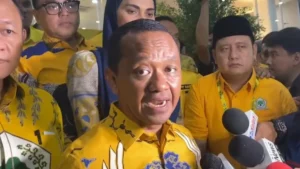
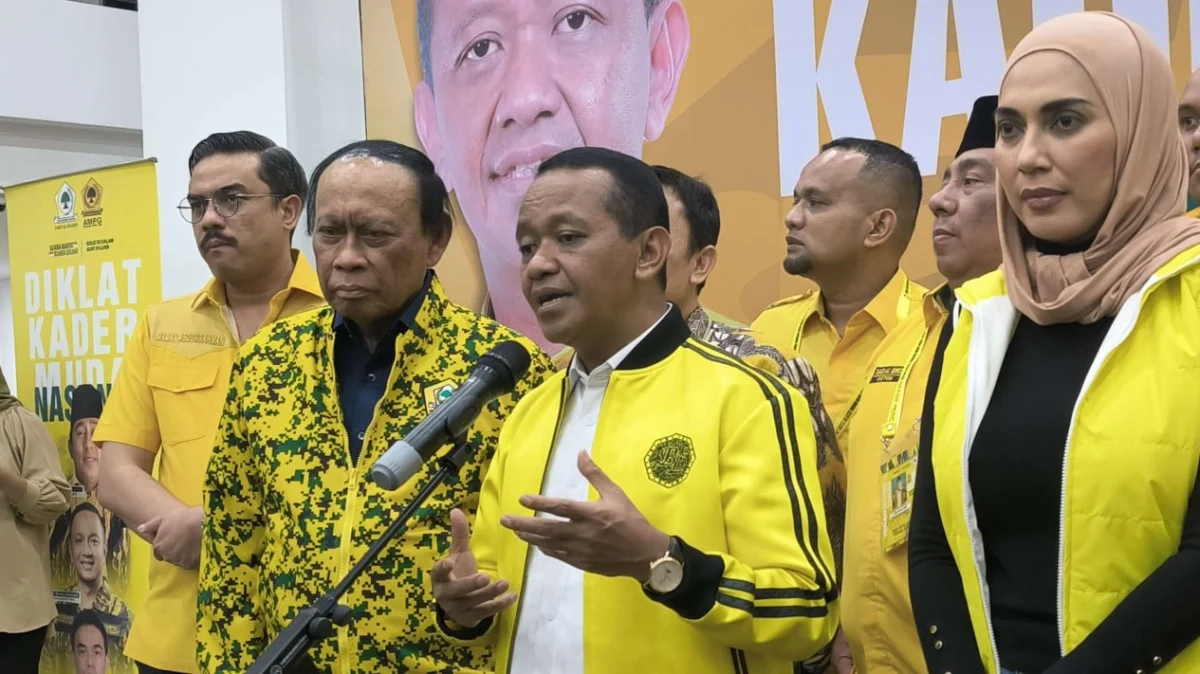
Upon being questioned about the survey results at the DPP Partai Golkar headquarters in Jakarta, Minister Bahlil Lahadalia stated he had not yet reviewed the findings. "I haven’t read it yet, I will read it first," he remarked, as quoted on Tuesday, October 21, 2025. Despite his unfamiliarity with the specific data, Minister Lahadalia maintained a positive outlook on his performance over the past year within President Prabowo’s government. "Everything is good, everything is good," he asserted, suggesting confidence in his contributions regardless of the survey’s initial indications. This reaction, while common for officials facing critical reports, highlights a potential disconnect between internal assessments of performance and external perceptions captured by independent surveys.
For a minister holding such a high-profile and economically sensitive portfolio, a robust defense or a detailed explanation of ongoing efforts would typically follow a critical survey. The initial "haven’t read it yet" stance, while understandable, places the onus on the minister to subsequently address the specific points of dissatisfaction raised by both the public and experts. It also underscores the importance of transparent communication and data-driven accountability in modern governance.
Celios Survey Methodology and Scope

The Celios survey’s comprehensive nature lends weight to its findings. Data collection spanned from October 2 to October 17, 2025, involving 1,338 respondents from diverse geographical backgrounds, including rural areas, suburban fringes, and urban centers. This broad demographic reach aims to capture a representative sample of public opinion across Indonesia. A notable aspect of the methodology was the digital collection of data, primarily through targeted advertisements on social media platforms such as Facebook and Instagram. This approach, while offering efficiency and reach, also prompts discussions about potential biases inherent in digital sampling and the demographics of social media users, though Celios is known for employing techniques to mitigate such issues and ensure representativeness.
The utilization of both public opinion and expert judgment panels further enhances the survey’s credibility. While public sentiment reflects immediate concerns and daily experiences, expert judgment provides a more nuanced evaluation based on policy understanding, sectoral knowledge, and comparative analysis. The convergence of negative scores for Minister Bahlil Lahadalia from both panels suggests a deep-seated dissatisfaction that transcends mere anecdotal criticism.
Broader Cabinet Performance Under Scrutiny
Beyond Minister Bahlil Lahadalia, the Celios survey also highlighted several other ministers with significantly low performance ratings, painting a broader picture of public and expert dissatisfaction with certain cabinet members. Ranked second for worst performance was Minister of Human Rights, Natalius Pihai, with a score of -346. His portfolio, often at the forefront of social justice and civil liberties debates, frequently faces public scrutiny over issues ranging from human rights abuses to the protection of vulnerable groups. A low score here could indicate perceived failures in addressing long-standing human rights concerns or a lack of progress on key reforms.
Following closely was the Coordinating Minister for Food Affairs, Zulkifli Hasan, who scored -253. The food sector is perpetually sensitive in Indonesia, with public concern often centered on food price stability, availability of staple goods, and agricultural productivity. Negative sentiment towards this minister could stem from perceived failures in managing food inflation, ensuring equitable distribution, or implementing effective policies to boost food security.
Minister of Tourism, Widiyanti Putri Wardhana, received a score of -180. The tourism sector, still recovering from global disruptions and facing new challenges, requires dynamic leadership to innovate and attract visitors. A low rating might suggest dissatisfaction with the pace of recovery, the effectiveness of promotional campaigns, or the development of sustainable tourism infrastructure.
Lastly, Minister of Culture, Fadli Zon, scored -170. The Ministry of Culture plays a crucial role in preserving national heritage, promoting arts, and fostering creative industries. Negative scores could reflect concerns over cultural policy direction, support for local artists, or the government’s approach to safeguarding Indonesia’s rich cultural diversity.
The collective low scores for these diverse portfolios suggest that public and expert dissatisfaction is not isolated to a single sector but rather points to broader challenges in governance and policy execution across several key ministries. This comprehensive negative feedback across various sectors could pose a significant reputational challenge for the Prabowo administration as a whole.
Implications for the Administration and Future Policy
The findings of the Celios survey carry substantial implications for the Prabowo administration, both politically and operationally. For Minister Bahlil Lahadalia, the negative scores will undoubtedly intensify pressure to demonstrate tangible improvements and to address the specific criticisms that contributed to his low ratings. This could involve re-evaluating current policies, enhancing communication strategies to highlight successes, or even initiating new programs aimed at public satisfaction. Given his prominent role within the Golkar Party (as indicated in the source as "Ketua Umum Partai Golkar, Bahlil Lahadalia," although his ministerial role is ESDM, this points to significant political standing), the survey results could also have internal party ramifications, potentially affecting his political capital or future prospects.

More broadly, such a comprehensive negative assessment of multiple cabinet members could prompt the Presidential Palace to conduct its own internal performance reviews. While presidents typically rely on a variety of metrics for ministerial evaluation, independent public surveys provide invaluable external feedback that cannot be ignored. Historically, periods of low public approval for key ministers have sometimes led to cabinet reshuffles, a mechanism used by presidents to inject new energy, address underperformance, or realign the cabinet with evolving policy priorities.
From a policy perspective, the survey results might trigger a re-evaluation of strategies in the respective ministries. For the ESDM Ministry, this could mean a renewed focus on energy transition policies, ensuring stable fuel prices, or accelerating investment in critical mineral processing. For the Ministry of Human Rights, it could necessitate a more proactive approach to existing cases or a stronger push for legislative reforms. Similarly, the Ministries of Food, Tourism, and Culture might be compelled to refine their strategies to better align with public expectations and address perceived shortcomings.
Political analysts, while acknowledging the limitations of any single survey, often view such reports as vital indicators of government effectiveness. Dr. Surya Atmadja, a public policy expert, hypothetically commented, "While digital surveys have their unique challenges in representativeness, the consistent negative sentiment across both public and expert panels for Minister Lahadalia, and indeed several others, cannot be dismissed lightly. It signals a need for a deep dive into policy implementation, communication, and perhaps even a reconsideration of some strategic priorities. The first year of an administration is critical, and these findings suggest that the government needs to proactively address public concerns to build trust and momentum for its remaining term."
Another hypothetical observation from Dr. Citra Dewi, a political communication specialist, might add, "The ‘haven’t read it yet’ response, while immediate, needs to be followed swiftly by a comprehensive and transparent engagement with the findings. In today’s information age, public perception is heavily influenced by how quickly and effectively officials respond to criticism. A proactive approach, detailing efforts and future plans, will be crucial for these ministers to regain public confidence."
The survey results also highlight the dynamic interplay between public perception, policy outcomes, and political accountability. In a democratic system, the legitimacy and effectiveness of a government are ultimately tied to its ability to meet the needs and expectations of its citizens. Surveys like the one conducted by Celios serve as important mechanisms for holding elected officials and appointed ministers accountable, fostering transparency, and driving improvements in governance.
Moving Forward: The Path to Rebuilding Confidence
The challenge for Minister Bahlil Lahadalia and the other ministers identified in the Celios survey is to transform these critical findings into opportunities for growth and improvement. This will require a multi-faceted approach:
- Detailed Review and Analysis: A thorough internal review of the survey data, identifying specific areas of public and expert dissatisfaction.
- Transparent Communication: Articulating clear responses to the criticisms, outlining ongoing initiatives, and communicating future plans effectively to the public.
- Policy Adjustments: Making necessary adjustments to policies and programs to better address the identified shortcomings and align with public priorities.
- Enhanced Performance Metrics: Establishing and publicizing clearer, measurable performance indicators for their respective ministries.
- Engagement with Stakeholders: Actively engaging with various stakeholders, including industry players, civil society organizations, and academic experts, to gather feedback and build consensus.
The Prabowo administration, now well into its first year, faces the task of demonstrating its commitment to effective governance and responsiveness to public sentiment. The Celios survey serves as a critical early warning system, indicating where adjustments are most needed. How the government, particularly the ministers under scrutiny, responds to these findings will be a significant test of its resilience, adaptability, and dedication to serving the Indonesian people. The coming months will reveal whether these negative assessments prompt substantive changes or if the administration chooses to navigate these criticisms with a more nuanced approach, balancing public feedback with its broader strategic objectives. The public, and certainly the experts, will be watching closely for concrete actions that address the concerns raised by this latest comprehensive performance evaluation.