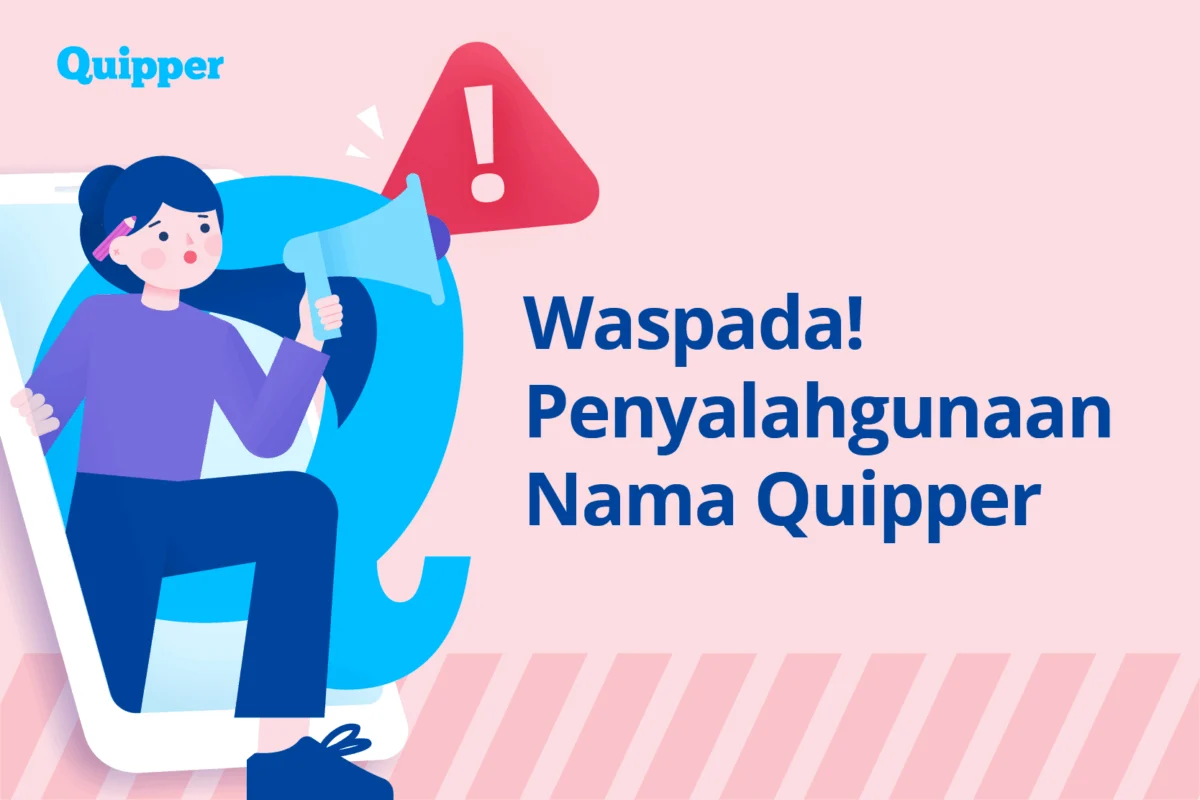
In an era of rapid digital transformation within the educational sector, PT Quipper Edukasi Indonesia, popularly known as Quipper, has released a comprehensive public advisory aimed at protecting its users from a growing wave of fraudulent activities. The official statement, directed toward teachers, students, and the broader "Quipperian" community, serves as a critical alert regarding the unauthorized use of the company’s name, logo, and corporate attributes by third parties. This move comes amid a heightened landscape of cyber-enabled fraud in Southeast Asia, where reputable brands are frequently impersonated to facilitate financial scams, illegal lending, and data harvesting.
As a leading education technology (EdTech) provider in Indonesia, Quipper has emphasized the necessity for all stakeholders to exercise extreme caution and perform rigorous verification before engaging with any service or communication claiming to represent the brand. The company’s proactive stance highlights a broader industry challenge: as digital learning platforms become integral to the national education infrastructure, they also become prime targets for malicious actors seeking to exploit the trust established between these platforms and their users.
The Landscape of EdTech Impersonation and Digital Fraud
The warning issued by PT Quipper Edukasi Indonesia is not an isolated incident but a response to a documented increase in sophisticated phishing and social engineering attacks. According to data from the Indonesian National Cyber and Crypto Agency (BSSN), cyberattacks in Indonesia have seen a significant uptick over the last three years, with many attackers utilizing "brandjacking" techniques. By mimicking the visual identity of established companies like Quipper, fraudsters attempt to bypass the natural skepticism of users, particularly students and educators who may be less familiar with the nuances of digital security.
The EdTech sector in Indonesia has grown exponentially since 2020, with millions of users relying on these platforms for curriculum-based learning, exam preparation, and classroom management. This massive user base provides a fertile ground for scammers. In many reported cases across the industry, fraudulent actors reach out via messaging apps like WhatsApp or Telegram, using the company’s official logo as their profile picture and adopting a formal tone to solicit personal information or financial contributions.
Detailed Protocols for Identity Verification
To combat these deceptive practices, PT Quipper Edukasi Indonesia has outlined several non-negotiable protocols that define its official communication channels. The company stated that all official contacts are managed exclusively by Quipper’s internal team and are listed transparently on their verified platforms. A primary point of verification for any user is the email domain; Quipper has clarified that all official correspondence from employees, including management and support staff, will only originate from the domain "@quipper.com." Any communication received from public domains such as Gmail, Yahoo, or Outlook claiming to represent the company should be immediately flagged as suspicious.
Furthermore, the company has reiterated its commitment to the Indonesian Personal Data Protection (PDP) Law. In its official advisory, Quipper noted that it maintains strict confidentiality regarding user data. If there is ever a requirement to share personal information with a third party, the company is legally and internally bound to seek explicit written consent from the data owner. This serves as a safeguard against "doxing" or the unauthorized sale of student and teacher databases, which are common objectives for cybercriminals.
Distancing from "Pinjol" and Financial Misconduct
One of the most critical components of Quipper’s warning involves the categorical denial of any involvement in the financial services sector. Indonesia has faced a systemic issue with illegal online lending platforms, locally known as "Pinjol" (Pinjaman Online). These entities often use aggressive debt collection tactics and exorbitant interest rates. Quipper has explicitly stated that it is not involved in any form of online lending, investment schemes, or fund distribution.
The clarification is particularly timely, as some fraudulent actors have been known to use the names of reputable EdTech companies to offer "educational loans" or "scholarship investments" that are, in reality, predatory lending traps. Quipper has made it clear that any financial transactions or personal loans undertaken by individuals, including its own employees, are strictly private matters. The company bears no responsibility for the risks or consequences arising from such personal financial activities, and it does not facilitate or endorse any third-party financial products under the Quipper brand.
Chronology of Preventative Measures and Legal Stance
The issuance of this warning follows a period of internal monitoring where the company identified potential risks to its brand integrity. While the company has not disclosed specific incidents of successful fraud, the preemptive nature of the announcement suggests a strategic move to fortify its community before large-scale damage can occur.
The chronology of Quipper’s response can be traced through its increasing focus on digital literacy for its users. Over the past year, the platform has integrated security reminders into its interface, but this latest formal announcement marks a transition toward a more aggressive legal posture. Quipper has stated that it will not hesitate to take legal action against any party found to be misusing the company’s name or attributes for fraudulent purposes. This includes pursuing criminal charges under the Information and Electronic Transactions (ITE) Law, which carries significant penalties for identity theft and electronic fraud in Indonesia.
Broader Implications for the EdTech Industry
The challenges faced by Quipper reflect a pivotal moment for the Indonesian digital economy. As the government continues to push for the digitalization of schools, the security of these platforms becomes a matter of national interest. Industry analysts suggest that trust is the most valuable currency in the EdTech space. If parents and teachers lose confidence in the security of a platform, the adoption of digital tools could stagnate, potentially widening the educational gap.
Quipper’s decision to go public with these warnings is seen by experts as an act of corporate responsibility. By being transparent about the risks of brand misuse, they are educating their users on "cyber-hygiene." This involves teaching users to look for the "green tick" on WhatsApp, verify URL structures, and maintain a healthy skepticism toward unsolicited financial offers.
Recommended Actions for Teachers and Students
In light of the warning, PT Quipper Edukasi Indonesia has urged all "Quipperians" to remain vigilant. The company recommends several immediate steps for anyone who suspects they have been targeted by a scammer:
- Cross-Reference Information: Always check the official Quipper website or verified social media accounts to see if a promotion or announcement is legitimate.
- Report Suspicious Activity: Users are encouraged to report any accounts or messages that use Quipper’s logo without authorization to the company’s official customer support channels.
- Protect Personal Credentials: Never share passwords, One-Time Passwords (OTPs), or national identification details with anyone claiming to be from Quipper over a chat application.
- Verify Financial Requests: Remember that Quipper does not solicit investments or offer personal loans. Any request for money outside of standard subscription fees via official payment gateways is a red flag.
Conclusion and Commitment to Security
PT Quipper Edukasi Indonesia concluded its advisory by reaffirming its commitment to the safety and security of its customers and employees. The company views the protection of its brand not just as a legal necessity, but as a fundamental part of its mission to provide high-quality, accessible education. By establishing clear boundaries between its educational services and the unauthorized activities of fraudsters, Quipper aims to ensure that its platform remains a safe environment for learning.
As the digital landscape continues to evolve, the burden of security is increasingly shared between service providers and users. Quipper’s proactive communication serves as a vital reminder that in the digital age, vigilance is the first line of defense. The company will continue to monitor for unauthorized usage and remains dedicated to maintaining the high standards of integrity that have made it a cornerstone of the Indonesian educational community. Stakeholders are encouraged to stay tuned to official Quipper channels for further updates and to prioritize security in all their digital interactions.