As global air travel continues to rebound toward pre-pandemic levels, with the International Air Transport Association (IATA) reporting a significant surge in passenger traffic, the focus on passenger wellness and comfort has never been more critical. While many travelers prioritize aesthetics or efficiency when packing, seasoned travel experts and authors are sounding the alarm on specific wardrobe choices that can negatively impact health, hygiene, and overall flight experience. The transition from the airport terminal to a pressurized cabin at 35,000 feet presents a unique set of physiological challenges, ranging from circulatory issues to temperature fluctuations. Consequently, what an individual chooses to wear can dictate whether a journey is a seamless transition or a grueling endurance test.
Industry professionals, including travel bloggers, authors, and frequent flyers, have identified five specific categories of clothing that should be avoided during air travel. These recommendations are grounded in a combination of medical concerns, logistical practicalities, and the harsh realities of modern aviation hygiene.
The Physiological Impact of Denim: Why Jeans Are a Primary Concern
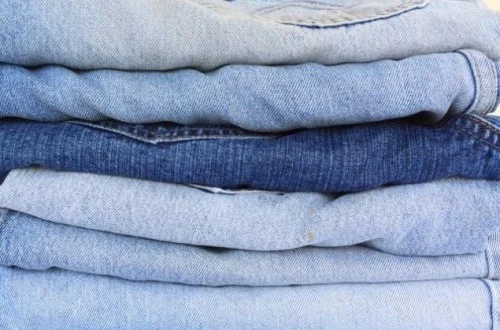
Among the various items cited by travel experts, denim jeans are consistently ranked as the most ill-advised choice for long-haul flights. While jeans are a staple of modern fashion due to their durability and versatility, their construction is fundamentally at odds with the physical requirements of extended sitting in a confined space.
Tory Jon, a noted travel writer and the founder of Camper FAQs, emphasizes that jeans should be avoided at all costs, particularly on flights exceeding three hours. The primary issue lies in the lack of elasticity in traditional denim. When a passenger is seated for several hours, the heavy fabric and reinforced seams of jeans can exert excessive pressure on the waist and legs. This constriction can significantly impede blood circulation.
Medical data supports these concerns, as restricted blood flow in the lower extremities is a leading contributor to Deep Vein Thrombosis (DVT), often referred to in the medical community as "Economy Class Syndrome." DVT occurs when a blood pool forms in the deep veins, potentially leading to life-threatening complications such as pulmonary embolisms. Furthermore, jeans do not allow the skin to "breathe" effectively. In the recycled air of a cabin, the lack of ventilation can lead to localized sweating and skin irritation, leaving the traveler feeling uncomfortably grimy by the time they reach their destination.
Abby Price, CEO and co-founder of the travel blog Trekking Price’s, suggests that travelers pivot toward more ergonomic alternatives. She recommends joggers, high-quality leggings, or loose-fitting trousers made from breathable, stretchable materials. These options provide the necessary flexibility for the body to expand slightly—a natural occurrence during flight due to changes in cabin pressure—without restricting vascular flow.
The Logistics of One-Piece Outfits: Rompers and Jumpsuits
While jumpsuits, rompers, and overalls have seen a resurgence in fashion trends, they represent a significant logistical hurdle in the context of air travel. Jessica Schmit of the travel blog Uprooted Traveler highlights the primary drawback: the difficulty of navigating airplane lavatories.
Airplane bathrooms are notoriously cramped, often measuring less than 30 inches wide. In such a confined environment, the requirement to almost entirely undress to use the facilities is not only inconvenient but also unhygienic. Schmit points out the high risk of the garment’s upper portions touching the floor of the lavatory, which is a concentrated area for bacteria and spilled fluids.
The sentiment is echoed by Reneze Lopez of Sincerely Reneze, who notes that athletic one-pieces or "bodysuits" are equally problematic. Beyond the hygiene concerns, Lopez argues that these garments are often designed to be highly compressive. While compression is beneficial for active sports, wearing high-compression gear for 10 to 12 hours can lead to physical fatigue and discomfort. For those who prefer an athletic aesthetic, Lopez advises sticking to two-piece sets, such as leggings and a breathable top, which offer the same look without the functional drawbacks of a one-piece.
Security and Comfort: The Case Against Belts
The modern airport security experience is defined by efficiency and the mitigation of delays. One of the most common bottlenecks at Transportation Security Administration (TSA) checkpoints and international security gates is the removal of metal accessories. Rax Suen, founder of NomadsUnveiled, identifies belts as a major contributor to this friction.
Beyond the inconvenience at security, belts can become a source of physical distress during the flight. As the human body ascends to high altitudes, gas in the intestines expands, leading to what is colloquially known as "jet bloat." A rigid belt can dig into the abdomen during this natural expansion, causing indigestion and discomfort.
Suen recommends opting for trousers with elasticated waistbands or drawstring closures. Hiking pants or technical "travel trousers" are often cited as the gold standard in this category, as they are designed for movement, lack metal components that trigger sensors, and accommodate the body’s natural fluctuations in size throughout the day.
Hygiene and Safety: Avoiding Open-Toed Shoes
The choice of footwear is perhaps the most critical safety decision a traveler makes. While it may be tempting to wear sandals or flip-flops when traveling to a tropical destination, experts strongly advise against it for several reasons.
Sarah Simon, owner of Mukikapup’s Travels, emphasizes the hygiene factor. Airplane cabins are high-traffic areas where deep cleaning between every flight is not always possible. The floors, especially in the bathrooms, can harbor a variety of pathogens. Wearing open-toed shoes exposes the skin directly to these contaminants. Additionally, cabin temperatures are notoriously inconsistent; while it may be warm on the tarmac, high-altitude cruising often results in cold cabin floors, leading to discomfort for those with exposed feet.
From a safety perspective, footwear plays a vital role in emergency evacuations. In the event of an emergency landing or evacuation, passengers may need to move quickly over debris, hot surfaces, or uneven terrain. Sandals and high heels provide no protection and can even cause trips or falls, endangering the individual and others.
Michelle Joy, a travel writer for Harbors and Havens, suggests a compromise: slip-on sneakers or loafers worn with socks. This combination allows for quick removal at security checkpoints—preventing the need to walk barefoot on the airport floor—while providing full coverage, warmth, and stability during the flight.
Material Science: The Hidden Dangers of Polyester
While the style of clothing is important, the fabric composition is equally vital. Polyester and other synthetic materials are often marketed to travelers because they are lightweight and wrinkle-resistant. However, Wesley Cunningham of WorldWideyedWes warns that these benefits come at a cost.
Polyester is a non-breathable synthetic fiber. Unlike natural fibers, it tends to trap heat and moisture against the skin. More significantly, polyester is known to trap odors far more effectively than natural fibers. The chemical structure of the plastic-based fibers allows oils and bacteria from sweat to cling to the fabric, meaning that even a minor amount of perspiration can result in a noticeable odor that lingers for the duration of the flight.
Cunningham recommends natural alternatives such as cotton, merino wool, or modal. Merino wool, in particular, has gained a reputation as the "super-fiber" of travel. It is naturally antimicrobial, moisture-wicking, and temperature-regulating, making it ideal for the varying climates of an airplane cabin. Modal, a bio-based fabric made from beech tree cellulose, is also highlighted for being twice as absorbent as cotton and exceptionally soft, providing a luxury feel for long-haul journeys.
Contextual Analysis: The Changing Landscape of In-Flight Fashion
The shift in recommendations from travel experts reflects a broader change in the aviation industry. In the "Golden Age" of flying in the 1950s and 60s, air travel was a formal affair, with passengers often wearing suits and dresses. However, several factors have necessitated a shift toward functional "athleisure."
- Reduced Seat Pitch: As airlines have sought to maximize profitability, the "pitch" (the distance between seats) has shrunk significantly in economy class. This lack of space makes restrictive clothing like jeans and belts far more uncomfortable than they were decades ago.
- Heightened Security: Post-9/11 security protocols have made the "easy-on, easy-off" nature of clothing a priority for frequent travelers.
- Health Awareness: With a greater understanding of venous health and the risks of DVT, the medical community has influenced travel advice, prioritizing circulation over style.
Broader Implications for the Travel Industry
The advice provided by these experts underscores a growing trend in the "wellness travel" sector. Travelers are increasingly viewing the flight not just as a means of transport, but as a phase of their journey that requires physical management. This has led to a boom in the "technical apparel" market, where brands are specifically designing clothing that balances the professional look of streetwear with the performance of athletic gear.
For airlines, these insights offer a glimpse into the passenger experience. While airlines cannot dictate what passengers wear, understanding the discomfort caused by cabin environments (temperature, pressure, and space) can lead to better cabin management and service.
In conclusion, the modern traveler is encouraged to prioritize the "Three Cs": Circulation, Cleanliness, and Convenience. By avoiding restrictive denim, complex one-piece outfits, unnecessary accessories like belts, unhygienic footwear, and non-breathable synthetics, passengers can significantly mitigate the physical toll of air travel. As the industry continues to evolve, the intersection of fashion and physiology will remain a primary focus for those seeking to navigate the skies with ease and health intact.