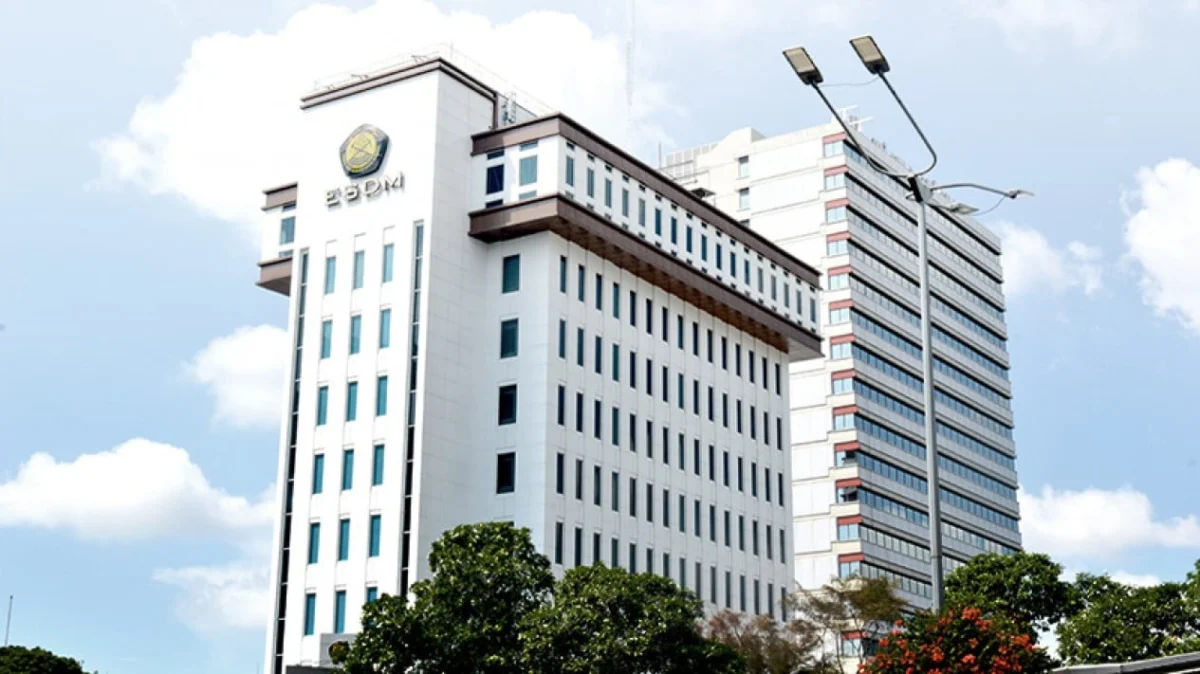
Jakarta, VIVA – The Indonesian government is significantly stepping up its efforts to achieve a 20 percent bioethanol blend in gasoline (E20) by January 2028, a move aimed at bolstering national energy security and reducing carbon emissions. Acknowledging the crucial role of private investment, the Ministry of Energy and Mineral Resources (ESDM), through its Director General of New, Renewable Energy and Energy Conservation (EBTKE), Eniya Listiani Dewi, has issued a robust call for private companies to actively participate in establishing bioethanol production facilities across the archipelago. This strategic push mirrors the successful implementation of the country’s mandatory biodiesel program, which has seen increasing blends in diesel fuel over the past decade.
The announcement, made in Jakarta on Monday, July 20, 2026, underscores Indonesia’s commitment to diversifying its energy mix and reducing its reliance on fossil fuels. Eniya Listiani Dewi highlighted that the active involvement of the private sector is not merely encouraged but considered essential to scaling up production capabilities quickly enough to meet the ambitious 2028 deadline. "Just like with biodiesel, we strongly encourage the private sector to establish these ethanol production plants," Dewi stated, emphasizing the government’s readiness to support such initiatives.
Background: Indonesia’s Biofuel Journey and Energy Transition
Indonesia, a vast archipelago with abundant natural resources, has long recognized the strategic importance of developing indigenous energy sources to support its burgeoning economy and large population. The country is a significant global player in commodities like palm oil, which formed the bedrock of its highly successful biodiesel program. Starting with a B10 mandate (10% biodiesel blend) and progressively increasing to B20, B30, B35, and with plans for B50, Indonesia has demonstrated its capacity to implement large-scale biofuel policies. This program has not only reduced diesel imports but also provided price stability for domestic palm oil producers and contributed to a reduction in greenhouse gas emissions from the transportation sector.
The transition towards bioethanol, primarily used as a blend in gasoline, represents a natural evolution in Indonesia’s biofuel strategy. While biodiesel addresses the diesel fuel segment, bioethanol targets gasoline-powered vehicles, thus offering a more comprehensive approach to decarbonizing the transportation sector. Globally, bioethanol is widely adopted, particularly in countries like Brazil and the United States, where it significantly contributes to fuel supplies. For Indonesia, the move to E20 by 2028 is a critical step towards achieving its Nationally Determined Contribution (NDC) targets under the Paris Agreement, which aim to reduce emissions by 31.89% independently or 43.2% with international assistance by 2030.
The Ambitious E20 Mandate: A Deeper Dive
The target of E20 by January 2028 means that within approximately 18 months from the current date of the announcement, 20 percent of all gasoline sold in Indonesia will need to be bioethanol. This represents a substantial increase from current, limited bioethanol blending initiatives. Achieving this will require a significant overhaul of existing fuel supply chains, substantial investment in new production facilities, and robust agricultural support for feedstock cultivation.
The E20 mandate is not just an environmental policy; it’s also an economic and energy security imperative. By reducing gasoline imports, Indonesia can save valuable foreign exchange, strengthen its balance of payments, and insulate its economy from volatile global oil price fluctuations. Furthermore, it creates new economic opportunities in the agricultural sector, fostering rural development and job creation.
Regulatory Framework and Impending Revisions
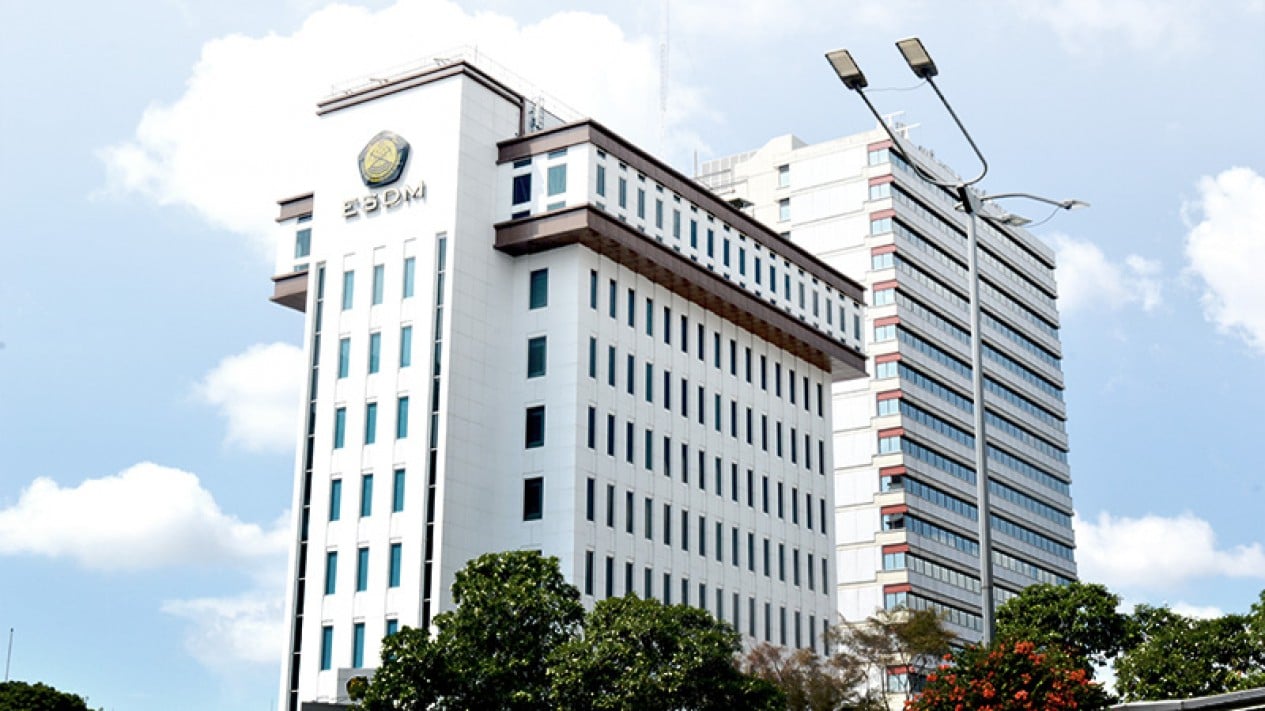
To facilitate the E20 mandate, the government is actively revising Presidential Regulation (Perpres) Number 40 of 2023 concerning the Acceleration of National Sugar Self-Sufficiency and the Provision of Bioethanol as Biofuel. This regulation, initially designed to address both sugar production and bioethanol supply, is being updated to specifically streamline the process for achieving the E20 target.
Eniya explained that the revision will meticulously detail the blending capacities and quality standards required to ensure the E20 fuel meets precise specifications. "The revision will regulate the blending capacities to ensure the precise E20 quality as previously stipulated," she elaborated. The coordination for this critical regulatory update is ongoing between the Ministry of ESDM and the Coordinating Ministry for Economic Affairs, which holds the initiative for the Perpres revision. "The initiative for the Perpres revision is with the Coordinating Ministry for Economic Affairs, so we are aligning with the President’s directives," Eniya affirmed, indicating high-level political backing for the initiative. The revised Perpres is expected to provide greater clarity and certainty for investors, outlining incentives, feedstock procurement frameworks, and technical standards, which are crucial for attracting significant private capital.
Feedstock Security: The Linchpin of Success
While the physical construction of an ethanol plant is estimated to take around one and a half years, Eniya stressed that the most critical aspect remains the consistent and sufficient availability of local raw materials. "Building a factory can be done in one and a half years, but the challenge lies in the availability of raw materials," she remarked. This highlights a fundamental difference from the palm oil-based biodiesel program, where palm oil supply chains were already robust. For bioethanol, new agricultural strategies and supply chains may need to be developed or significantly expanded.
Indonesia possesses diverse agricultural potential for bioethanol production. The primary feedstock considered is sugarcane, given its high sugar content which is easily fermentable into ethanol. Indonesia has a historical sugar industry, and integrating sugar production with ethanol facilities (sugar mills often have distilleries) could offer significant synergies. However, increasing sugarcane cultivation for energy without impacting food security or leading to land use conflicts is a key challenge.
Other potential feedstocks include cassava (tapioca), corn, and sago. Cassava is widely cultivated across Indonesia and is a resilient crop, offering an alternative to sugarcane. Corn, another widely grown cereal, also holds promise. Research is also ongoing into lignocellulosic biomass (e.g., agricultural waste, wood residues), which represents a more sustainable, non-food competing option, though the technology for converting it to ethanol is more complex and currently less commercially mature.
Securing a stable and sufficient supply of feedstock will require:
- Expansion of Planted Areas: Dedicated land for energy crops, possibly through partnerships with local farmers or state-owned enterprises.
- Improved Agricultural Practices: Enhancing yields through better seeds, fertilizers, and farming techniques.
- Logistics and Infrastructure: Efficient transportation networks from farms to processing plants.
- Pricing Mechanisms: Fair and attractive prices for farmers to ensure consistent supply.
Economic Implications and Investment Landscape

The E20 mandate is projected to have profound economic implications. A significant portion of Indonesia’s fuel demand is currently met by imports, particularly for gasoline. By substituting a fifth of this with domestically produced bioethanol, the country stands to save billions of dollars annually in foreign exchange. This improved energy trade balance would strengthen the rupiah and enhance macroeconomic stability.
The call for private sector involvement is expected to attract substantial domestic and foreign investment into the bioethanol industry. Analysts estimate that developing the necessary capacity for E20 could require investments upwards of several billion US dollars, encompassing agricultural development, factory construction, and logistical infrastructure. This investment would create thousands of direct and indirect jobs across the agricultural, manufacturing, and transportation sectors. Rural economies, in particular, stand to benefit from increased demand for energy crops and processing activities.
Furthermore, the development of a robust bioethanol industry can foster technological transfer and innovation. Partnerships between Indonesian companies and international biofuel technology providers could accelerate the adoption of advanced, efficient, and sustainable production methods.
Environmental Impact and Sustainability Considerations
From an environmental perspective, the E20 mandate aligns with Indonesia’s climate change mitigation goals. Bioethanol, derived from biomass, is considered a renewable fuel, and its combustion releases significantly less net greenhouse gases compared to fossil fuels over its life cycle. The widespread adoption of E20 is expected to contribute to cleaner air quality in urban areas by reducing harmful particulate matter and other pollutants.
However, the environmental benefits are contingent on sustainable feedstock production. Concerns often arise regarding land use change, particularly the potential for deforestation or conversion of peatlands for new agricultural plantations. The government and private sector will need to implement stringent sustainability standards, including certifications and monitoring mechanisms, to ensure that bioethanol production does not exacerbate environmental degradation. Promoting the use of marginal lands, adopting sustainable agricultural practices, and focusing on non-food competing feedstocks or waste biomass will be crucial for the long-term environmental integrity of the program.
Challenges and the Path Forward
While the vision for E20 is clear, several challenges must be meticulously addressed:
- Feedstock Consistency and Scale: Ensuring a stable, affordable, and scalable supply of sugarcane, cassava, or other suitable biomass without compromising food security or natural ecosystems. This requires careful planning and robust agricultural policies.
- Investment Mobilization: Attracting the necessary capital. While the government encourages private sector participation, clear, stable, and attractive investment frameworks, including fiscal incentives and regulatory certainty, are paramount.
- Technological Readiness: While ethanol production is a mature technology, optimizing it for local Indonesian conditions and diverse feedstocks, potentially including advanced lignocellulosic technologies, requires ongoing research and development.
- Infrastructure Development: Upgrading or building new storage, blending, and distribution infrastructure across the country to handle E20 fuel. This includes ensuring compatibility with existing vehicle fleets, although most modern vehicles can handle E20 without significant modifications.
- Public Acceptance and Awareness: Educating consumers about the benefits of E20 and ensuring a smooth transition to the new fuel blend.
Despite these challenges, Indonesia’s track record with its biodiesel program provides a strong foundation of experience and political will. The proactive revision of Perpres No. 40/2023 indicates a government committed to clearing regulatory hurdles. With robust private sector engagement, strategic agricultural planning, and a clear policy roadmap, Indonesia is well-positioned to achieve its E20 bioethanol mandate, marking another significant milestone in its journey towards a more sustainable and energy-independent future. The coming months will be critical in translating these ambitious plans into concrete actions, setting the stage for a greener transportation landscape across the archipelago by 2028.