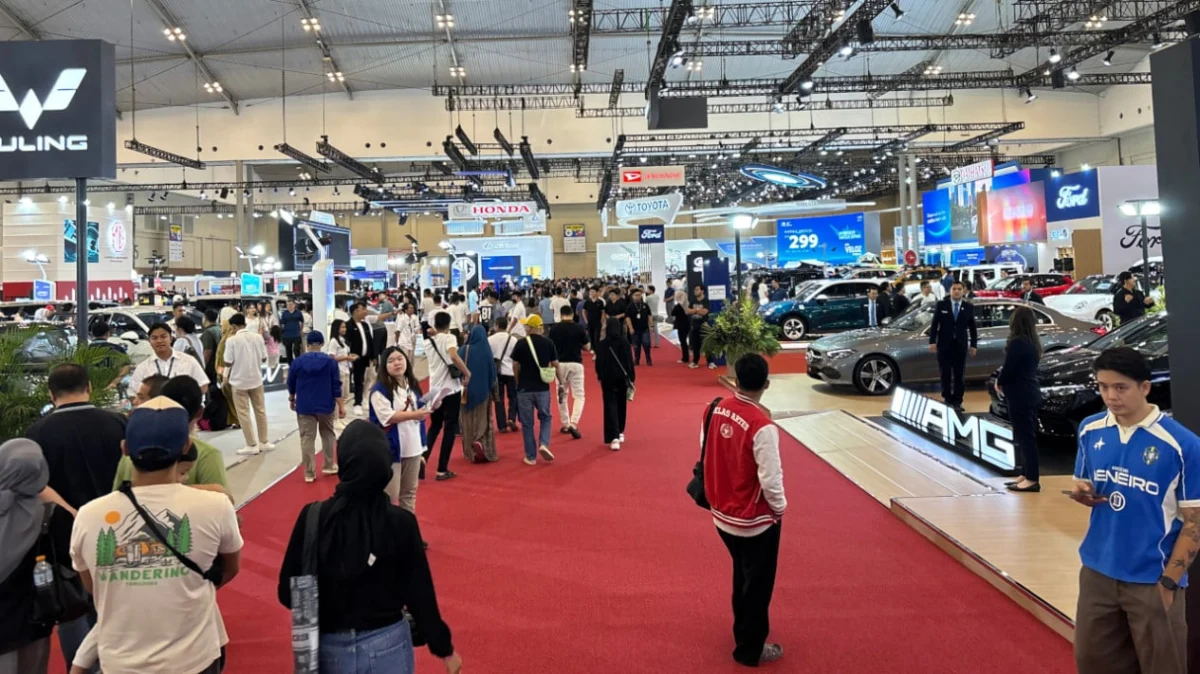
The Indonesian automotive industry is set for a significant transformation in market accessibility as the Gabungan Industri Kendaraan Bermotor Indonesia (Gaikindo), in collaboration with the Ministry of Industry of the Republic of Indonesia, officially announced the expansion of the Permata Bank Gaikindo Auto Week (GAW) 2026. Departing from the traditional model of holding major exhibitions in singular metropolitan hubs, the 2026 edition of the event will be held simultaneously across ten cities nationwide. Scheduled to take place from November 20 to November 29, 2026, the strategic move aims to decentralize the automotive shopping experience, bringing the latest technological advancements and vehicle models directly to consumers in diverse regional markets.
The ten cities selected to host the GAW 2026 are Jakarta, Bali, Balikpapan, Bandung, Makassar, Medan, Palembang, Semarang, Solo, and Surabaya. This expansive geographic footprint is designed to bridge the gap between automotive manufacturers and prospective buyers who reside outside the primary national capital region, thereby stimulating regional economic activity and bolstering the national automotive sales trajectory during the critical fourth-quarter fiscal period.
Strategic Timeline and Venue Distribution
The schedule for the 2026 exhibition has been meticulously curated to maximize engagement. The Jakarta leg of the event, which serves as the anchor for the series, will be hosted at the Indonesia Convention Exhibition (ICE) BSD City from November 20 to November 29, 2026. Meanwhile, the nine regional host cities will conduct their respective exhibitions from November 25 to November 29, 2026, utilizing prominent shopping malls and commercial centers to ensure high foot traffic and accessibility.
The regional venues are as follows:
- Bali: Main Atrium, Living World Denpasar
- Balikpapan: Atrium, e-Walk Mall Balikpapan Superblock
- Bandung: Cibadag Atrium, Summarecon Mall Bandung
- Makassar: Main Atrium, Trans Studio Mall Makassar
- Medan: Main Atrium, Sun Plaza Medan
- Palembang: Atrium, Palembang Icon Mall
- Semarang: Downtown Atrium, 23 Mall Semarang
- Solo: The Park Mall Solo Baru
- Surabaya: Fashion Atrium, Pakuwon Mall Surabaya
By selecting these high-traffic venues, Gaikindo aims to integrate the automotive exhibition experience into the daily routines of consumers, thereby lowering the barrier to entry for potential car buyers who might otherwise be deterred by the travel requirements of traditional, centralized motor shows.

Industry Objectives and Market Stimulation
Putu Juli Ardika, the General Chairman of Gaikindo, emphasized that the decision to host the exhibition simultaneously in ten cities is a calculated effort to maintain market momentum as the calendar year draws to a close. "The Permata Bank Gaikindo Auto Week 2026 is designed as a platform that directly facilitates interaction between consumers and the automotive industry. By providing various special offers and financial ease during the exhibition, we aim to accelerate the sales of motor vehicles," Ardika stated.
From an industry standpoint, the end of the year is historically a period of increased consumer spending, driven by holiday bonuses and the desire for vehicle upgrades ahead of the new year. By aligning the exhibition with this period, the automotive industry hopes to clear inventory and provide a significant boost to sales figures, which have faced headwinds due to shifting economic indicators and changing consumer preferences toward more efficient and sustainable transportation.
The Role of Financial Partnerships
Permata Bank returns as the primary sponsor for GAW 2026, continuing its partnership with Gaikindo to provide comprehensive financial solutions for visitors. The collaboration is centered on the provision of the Permata Kredit Kendaraan Bermotor (KKB) product, which offers specialized financing schemes tailored for exhibition attendees.
In the current economic climate, where interest rate fluctuations remain a concern for middle-income consumers, the availability of dedicated, competitive financing is a crucial driver of automotive sales. By integrating banking services directly into the exhibition floor, the event provides a "one-stop-shop" experience where consumers can evaluate, select, and secure financing for their new vehicles within a single visit. This efficiency is expected to increase the conversion rate of showroom visitors into actual buyers.
Enhancing Consumer Engagement: Test Drives and Technological Showcase
Beyond the commercial transactions, GAW 2026 places a heavy emphasis on the consumer experience. Visitors in all ten cities will have the opportunity to participate in test drives, allowing them to experience the performance, safety features, and overall comfort of various models firsthand. This hands-on approach is particularly vital as the automotive market shifts toward Electric Vehicles (EVs) and hybrid technologies.
The test drive programs serve as an educational tool for consumers who may be hesitant about transitioning from internal combustion engines to new energy vehicles. By allowing prospective buyers to experience the torque, handling, and quiet operation of EVs in a controlled environment, Gaikindo is effectively addressing consumer skepticism and promoting the adoption of cleaner technologies.

Economic Implications and Future Outlook
The expansion of GAW 2026 into ten cities reflects a broader trend in the Indonesian retail sector: the "omnichannel" approach. While digital platforms and virtual showrooms have gained popularity, the physical exhibition remains a cornerstone of the automotive purchasing process. Buying a vehicle is a high-involvement purchase, and the ability to interact with a vehicle physically remains an irreplaceable part of the decision-making process.
Furthermore, this decentralized model provides a substantial boost to the local economies of the host cities. The logistical requirements of hosting a major exhibition—from local staffing and security to event production and catering—create a multiplier effect that benefits local service industries.
Economists observing the automotive sector note that this strategy could provide a blueprint for future industry events. If the simultaneous ten-city model proves successful in terms of both transaction volume and consumer satisfaction, it is highly likely that Gaikindo will adopt this approach as a standard practice for future automotive exhibitions. This would signify a permanent shift toward a more inclusive, regionally-aware strategy for the Indonesian automotive industry, ensuring that residents in major urban centers outside of Jakarta are no longer underserved in terms of automotive technology access and promotional opportunities.
Conclusion
As the November 2026 dates approach, the industry is closely watching the coordination efforts between the central organizers and local stakeholders. The success of the Permata Bank Gaikindo Auto Week 2026 will not only be measured by the number of units sold but also by its ability to foster a deeper connection between the Indonesian public and the evolving automotive landscape. By prioritizing accessibility, financial convenience, and consumer engagement, the event stands as a pivotal moment for the national automotive industry, signaling a proactive, modern, and expansive approach to market development.
With the automotive sector currently navigating the complexities of technological transition, such as the electrification of transport, the importance of such large-scale events cannot be overstated. They serve as the primary bridge between the rapid pace of global automotive innovation and the practical requirements of the Indonesian consumer, ensuring that the country remains a vibrant and competitive participant in the global automotive market. As preparations intensify, the ten-city rollout promises to set a new benchmark for how industry associations can successfully stimulate demand while simultaneously providing greater value to the public across the archipelago.