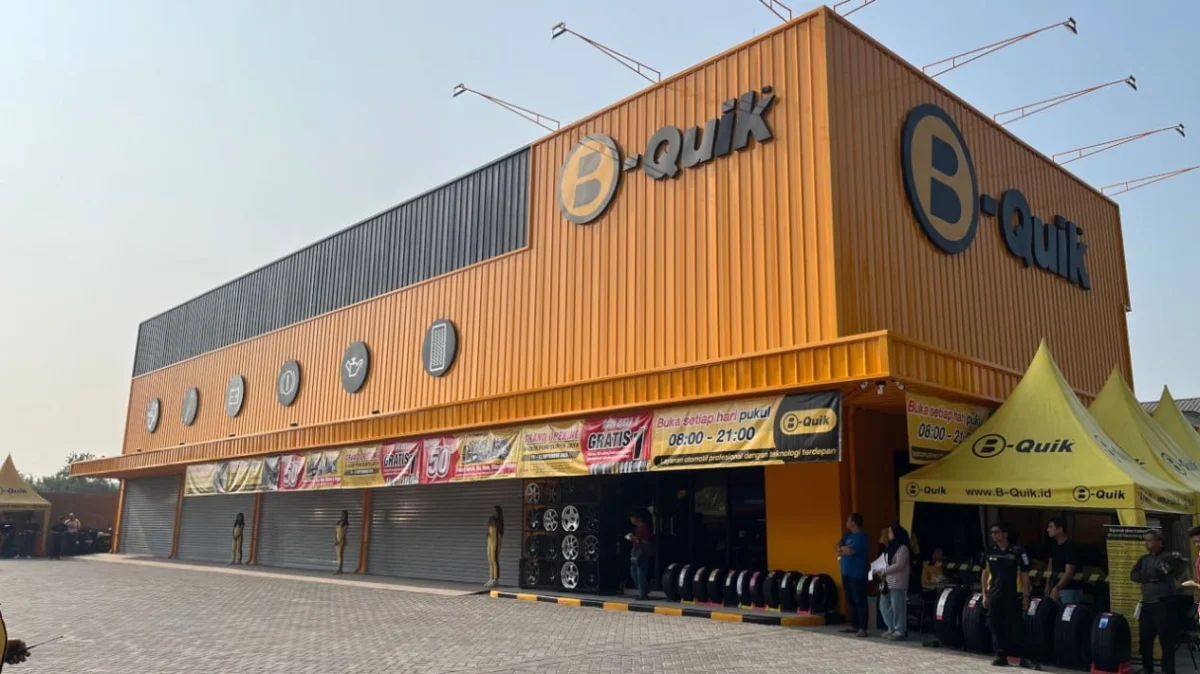
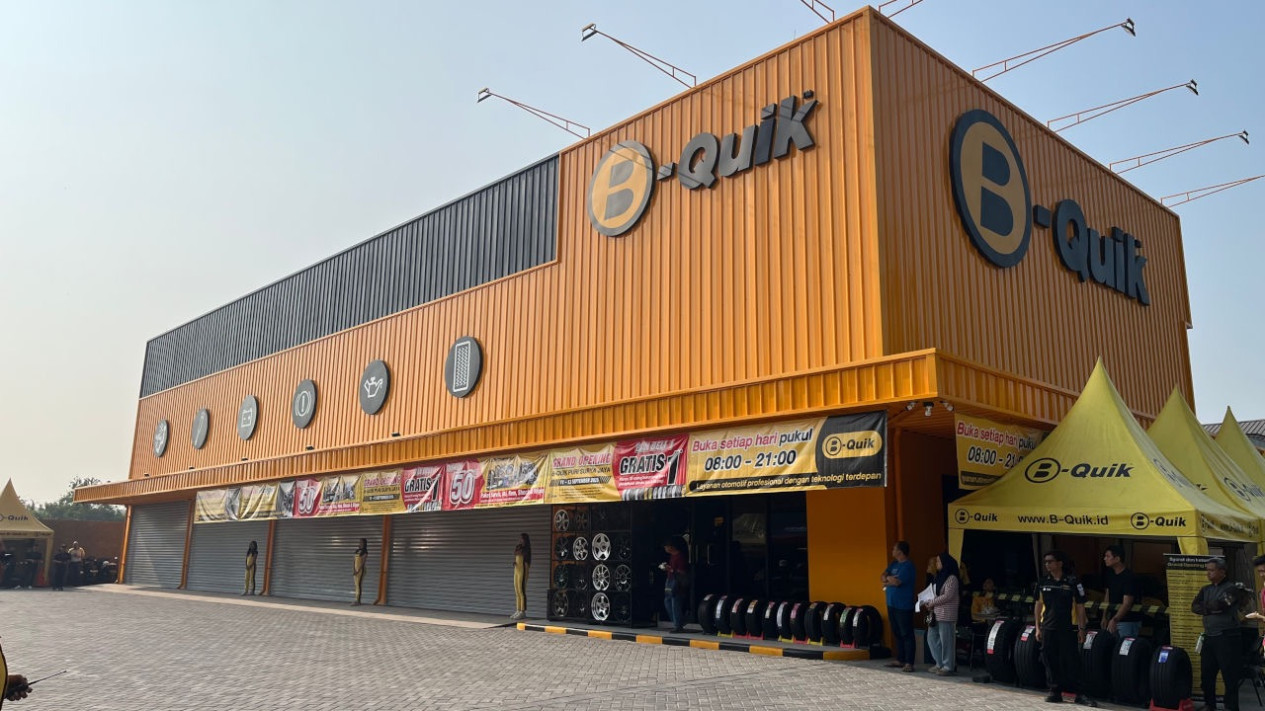
The landscape of automotive maintenance in Indonesia is undergoing a significant transformation as the traditional concept of the local workshop evolves into a more structured, customer-centric model. On September 15, 2026, the industry saw a notable development in this shift as B-Quik, a prominent regional automotive service provider, officially expanded its footprint with the inauguration of a new outlet in the Puri Surya Jaya residential area of Sidoarjo, East Java. This strategic expansion, which took place between September 11 and 13, 2026, highlights a broader trend: modern vehicle owners are increasingly prioritizing convenience, professional service standards, and direct access to high-quality lubricants and spare parts.
The Evolution of Automotive Service Centers
Historically, vehicle owners in Indonesia relied heavily on independent, often informal repair shops. While these local establishments served a purpose for emergency repairs, the increasing complexity of modern vehicle engines, coupled with a growing middle class, has shifted consumer expectations. Today’s vehicle owners view their cars not just as tools for transportation, but as significant investments that require precise, scheduled, and documented care.
The rise of "modern" workshops—characterized by standardized procedures, digital service records, transparent pricing, and professional technicians—is a direct response to this demand. These facilities are designed to handle routine maintenance, such as oil changes, brake inspections, battery testing, and tire rotations, with an emphasis on efficiency and reliability. The Sidoarjo expansion of B-Quik represents a critical milestone in this shift, bringing high-standard maintenance services closer to suburban hubs where vehicle density has increased significantly over the last decade.
Strategic Collaboration for Market Penetration
A central element of the B-Quik expansion in Sidoarjo is its strategic partnership with Motul Indonesia. By integrating Motul’s global reputation for high-performance lubricants with B-Quik’s professional service network, the two companies are creating an ecosystem that addresses both product quality and service reliability.
This collaboration serves as a blueprint for how automotive brands are approaching the Indonesian market. Rather than relying solely on authorized dealer networks, major lubricant and spare parts manufacturers are increasingly utilizing modern, independent workshop chains to ensure their products are available to a wider demographic. For Motul, this partnership is not merely about sales volume; it is about brand accessibility. By positioning their products within a trusted workshop, they provide consumers with a "one-stop" solution for their vehicle’s health.
Official Perspectives on Industry Synergy
Managing Director of PT Motul Indonesia Energy (MIE), Welmart Purba, emphasized that the collaboration is rooted in the necessity of proximity and professionalism. In a statement released on September 15, 2026, Purba noted that the automotive service landscape is becoming increasingly competitive, and the key to maintaining market share lies in being present where the customer resides.
"Our collaboration with B-Quik is a strategic step for Motul Indonesia to move closer to our consumers," Purba stated. "We want to ensure that our premium lubricant products are not only available but are also applied by trained technicians in a professional environment that adheres to the specific requirements of modern vehicle engines. This alignment of high-quality products and expert service is what the modern consumer is looking for."
Industry analysts observe that this approach mitigates the risk of consumers purchasing counterfeit or incorrect lubricant grades, a persistent issue in the automotive aftermarket. By formalizing the supply chain through chains like B-Quik, Motul effectively guarantees the authenticity of its products, thereby strengthening consumer trust in both the product and the service provider.
Consumer Incentives and Market Response
To mark the opening of the Puri Surya Jaya outlet, B-Quik implemented a multi-tiered promotional campaign that ran from September 11 to September 13, 2026. These incentives were designed to encourage vehicle owners to experience the benefits of a modern service center for the first time.
The promotion included a 50 percent discount on oil change service packages for the first 15 customers each day, followed by a 25 percent discount for subsequent customers throughout the launch period. Such marketing tactics are indicative of a competitive strategy to build immediate customer loyalty in a new territory. Data from the automotive retail sector suggests that the initial "first service" experience is the most critical factor in customer retention. By providing a high-quality, cost-effective entry point, B-Quik effectively secures a recurring client base that is likely to return for future maintenance cycles.
Broader Implications for the Automotive Aftermarket
The expansion into Sidoarjo reflects a wider phenomenon in the Indonesian automotive aftermarket, which has been growing at an annual rate of approximately 6–8 percent over the past five years. Several factors contribute to this growth:
- Increased Vehicle Ownership: The surge in vehicle sales in the post-pandemic era has led to a larger fleet of cars that are now reaching the age where out-of-warranty maintenance becomes necessary.
- Shift in Consumer Behavior: There is a growing awareness regarding the long-term benefits of preventative maintenance. Owners are beginning to understand that consistent care—such as using manufacturer-recommended synthetic oils and high-quality filters—prolongs engine lifespan and preserves the vehicle’s resale value.
- Urbanization and Suburban Expansion: Cities like Sidoarjo, which serve as satellite regions for major hubs like Surabaya, have seen massive population growth. This shift has necessitated the decentralization of automotive services to match the residential distribution of vehicle owners.
The Role of Technology and Service Standards
Beyond mere location, the success of the modern workshop model relies on the digitization of the service experience. Modern facilities now utilize digital inspection reports, SMS or WhatsApp reminders for upcoming maintenance intervals, and transparent service histories. These technological integrations allow vehicle owners to track the health of their assets with unprecedented ease.
Furthermore, the professionalization of the technician workforce—often involving certification programs provided by partners like Motul—raises the overall industry standard. When workshops invest in human capital, the resulting service quality reduces the frequency of mechanical failures and enhances road safety.
Future Outlook and Challenges
While the outlook for the automotive service industry in Indonesia is positive, several challenges remain. The primary hurdles include the high cost of investment for modern diagnostic equipment and the ongoing struggle to standardize service quality across a geographically dispersed network.
However, as evidenced by the Sidoarjo opening, the industry is moving toward a model of partnership and professionalization that benefits all stakeholders. Manufacturers gain access to a controlled environment for their products, workshop chains achieve economies of scale, and consumers gain access to reliable, efficient, and transparent vehicle maintenance.
The move by B-Quik and Motul is likely to trigger similar expansion strategies among competitors. As vehicle technology continues to evolve—with the slow but steady integration of hybrid and electric vehicle (EV) maintenance requirements—the demand for high-standard, adaptable service centers will only intensify. The coming years will likely see a further consolidation of the automotive service sector in Indonesia, moving away from fragmented, small-scale operations toward nationalized, brand-backed service networks.
Conclusion
The opening of the B-Quik outlet in Sidoarjo serves as a microcosm of the changing Indonesian automotive landscape. It demonstrates that success in this sector is no longer just about fixing broken parts; it is about providing a holistic, reliable, and convenient service experience that aligns with the modern lifestyle. By leveraging the expertise of global brands like Motul and focusing on the needs of the local community, B-Quik is setting a precedent for how automotive services should be delivered in an increasingly sophisticated market. As the sector continues to mature, the focus will undoubtedly remain on accessibility, quality assurance, and the seamless integration of technology, ensuring that vehicle owners have the support they need to maintain their investments for years to come.