The National Narcotics Agency (BNN) of Indonesia has officially clarified the status of electronic cigarette products circulating within the national market, emphasizing that legally distributed vape products equipped with official excise stamps do not contain illicit narcotics. This authoritative statement follows a period of public anxiety regarding the potential integration of synthetic drugs into vaping liquids, a concern that has prompted increased scrutiny from both regulatory bodies and industry stakeholders.
Brigadier General Pol Supiyanto, Head of the BNN Laboratory Center, provided this reassurance during a recent public discussion, aimed at distinguishing between legitimate, regulated commerce and the dangerous illicit market. According to BNN findings, there is no evidence to suggest that products adhering to government-mandated tax regulations have been compromised by the inclusion of narcotics. Instead, the agency identifies illegal, non-taxed products—often sold through unregulated channels—as the primary vehicles for drug distribution in the vaping sector.
Understanding the Regulatory Landscape of Vape Products
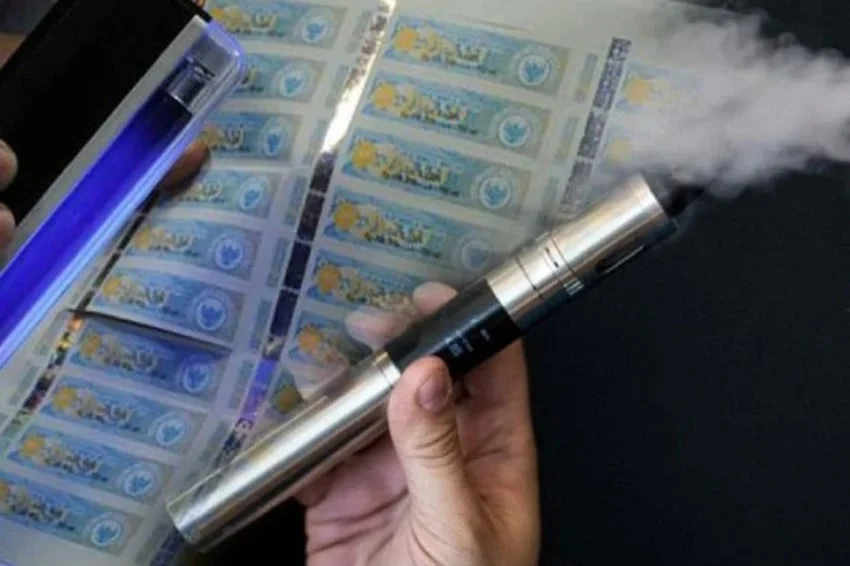
In Indonesia, the regulation of electronic cigarettes has evolved significantly since the government introduced specific excise tax policies for e-liquids. The excise stamp serves as a critical marker of legality, indicating that the product has undergone necessary quality checks and complies with the standards set by the Ministry of Finance and the Ministry of Health.
The current legal framework requires manufacturers and importers to register their products, disclose ingredients, and obtain the necessary distribution permits. Products that bear the excise stamp are essentially "traceable," meaning that if a public health issue arises, authorities can identify the manufacturer, the batch number, and the distribution chain. This traceability is absent in the illegal market, where products are often mixed in unhygienic, clandestine environments using substances that pose severe health risks.
BNN’s recent investigation into these products underscores a vital distinction: the presence of narcotics in vapes is a deliberate, criminal act perpetrated by illicit drug networks, not a byproduct of standard, legal manufacturing processes. By targeting products that bypass the excise system, criminal syndicates hope to evade the regulatory oversight that would otherwise detect their illicit activities.
Chronology of Public Concern and Regulatory Action
The discourse surrounding the safety of vape products has intensified over the past several years as the popularity of electronic nicotine delivery systems (ENDS) has surged among younger demographics.
- Early 2020s: Regulatory bodies began observing a trend where illegal vape liquids were being sold online without appropriate labeling or excise stamps. During this period, sporadic reports emerged of users experiencing adverse health effects, leading to initial investigations by the BNN and the National Police.
- 2023-2024: Heightened awareness campaigns were launched by the Ministry of Health and BNN to warn the public against purchasing "cheap" or "unlabeled" vape products. These campaigns emphasized that the absence of a tax stamp often correlates with a lack of ingredient transparency.
- Mid-2026: A series of seizures by law enforcement agencies confirmed that certain black-market vape liquids had been spiked with synthetic cannabinoids. This sparked national concern, prompting the BNN to conduct a comprehensive laboratory analysis of both legal and illegal samples to provide clarity to the public.
- September 2026: The BNN formalizes its stance, confirming that the distinction between "legal/excise-stamped" and "illegal/non-stamped" products is the primary determinant of safety in the context of narcotics contamination.
The Role of Industry Associations and Stakeholder Collaboration
In response to the BNN’s findings, various industry associations representing legitimate vape manufacturers and retailers have stepped forward to pledge their commitment to consumer safety. These associations have long advocated for a strictly regulated environment, arguing that a robust legal framework is the most effective deterrent against the infiltration of narcotics into the supply chain.
"The industry is fully aligned with the BNN’s mission to keep our society, particularly the youth, safe from the scourge of narcotics," said a spokesperson for a leading Indonesian vaping trade organization. The association noted that their members are actively cooperating with the Directorate General of Customs and Excise (DJBC) to monitor the market for counterfeit products.
This collaborative approach involves sharing intelligence regarding suspicious distribution networks and promoting public awareness regarding the importance of checking for excise stamps before purchase. The industry emphasizes that for legitimate businesses, the presence of narcotics in their products would be catastrophic to their reputation and existence, providing a strong self-regulatory incentive for manufacturers to maintain strict quality control protocols.

Technical Analysis: How Illegal Vapes are Contaminated
The contamination of vape liquids with narcotics typically involves the addition of synthetic substances, such as cannabinoids or stimulants, which are designed to mimic the effects of traditional illicit drugs. These substances are often odorless and colorless when dissolved in the base liquids of nicotine—propylene glycol and vegetable glycerin—making them difficult for consumers to detect by sight or smell.
BNN’s laboratory reports indicate that these substances are often sourced from international illicit chemical markets and imported under the guise of industrial chemicals. Once they reach the local level, they are mixed into e-liquid batches by unauthorized individuals in home-based labs. Because these operations are not subject to the mandatory lab testing required for legal products, they frequently contain contaminants that go beyond just narcotics, including heavy metals and toxic solvents that pose immediate risks of lung injury.
The BNN’s position is clear: when a consumer purchases a legal product with an excise stamp, they are purchasing a product that has been subjected to government scrutiny. While this does not mean that the product is "healthy"—as nicotine itself remains an addictive substance—it confirms that the product is free from the immediate, severe dangers associated with controlled narcotics.
Broader Economic and Public Health Implications
The persistence of the illegal vape market creates a twofold challenge for the Indonesian government: the erosion of potential excise tax revenue and a significant public health risk. The illegal market undermines the efforts of legitimate businesses that contribute to the state treasury and operate under strict labor and safety laws.
From an economic perspective, the government’s crackdown on illegal vape sales is not merely a tax collection effort; it is a public safety initiative. The revenue generated from excise taxes is intended to fund various government programs, including those related to health and social welfare. By shifting consumers toward the legal market, the government can more effectively monitor the consumption of nicotine products and curb the spread of illicit drugs.
Public health experts argue that the BNN’s clarification is a necessary step in reducing the panic that has previously led to uninformed policy proposals. By identifying the root cause—illegal, non-taxed distribution—the government can focus its resources on enforcement, border control, and intelligence gathering rather than blanket bans that might inadvertently drive more consumers into the unregulated black market.
Looking Forward: Strengthening Enforcement
The future of the industry in Indonesia hinges on the continued synergy between the BNN, the police, and the customs authorities. Ongoing efforts to digitize the tracking of excise stamps are expected to make it even harder for illegal products to penetrate the retail market. Furthermore, public education remains the most potent tool in this campaign. Consumers are urged to verify the authenticity of their vape products by checking for the official tax stamps and purchasing only from reputable retailers.
As the BNN continues to monitor the situation, they have encouraged the public to report any suspicious activities or products that lack the required markings. The message from the authorities is consistent: the legal ecosystem is protected, but the danger remains in the shadows of the illicit trade. By choosing legal products, consumers are not only ensuring they are not consuming narcotics, but they are also supporting a safer, more transparent marketplace.
The Indonesian government’s commitment to this issue reflects a broader global trend of balancing the realities of modern nicotine consumption with the necessity of strict narcotics control. By separating these two issues and addressing them with distinct, evidence-based strategies, the BNN is setting a precedent for how public health agencies can manage emerging threats in the rapidly evolving landscape of consumer technology. The success of this approach will depend on the continued vigilance of regulators and the willingness of the public to prioritize safety over price in their purchasing decisions.