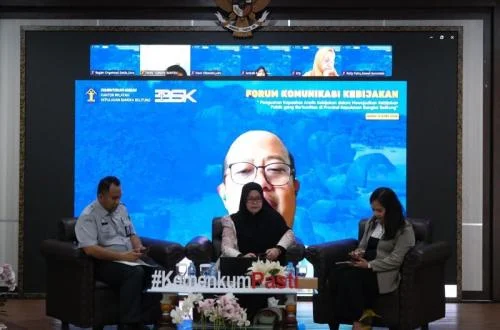
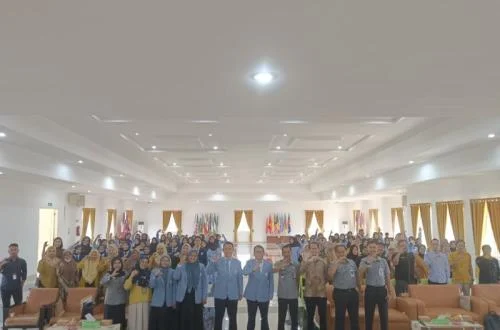
PANGKALPINANG – The Regional Office of the Ministry of Law and Human Rights (Kanwil Kemenkumham) for the Bangka Belitung Islands recently spearheaded a vital educational initiative focused on intellectual property (IP) protection, specifically targeting patents and music royalties, at the Institut Citra Internasional (ICI) in Pangkalpinang. Held on a recent Tuesday, the program underscores a strategic governmental push to cultivate greater public awareness and appreciation for intellectual assets, particularly within the academic sphere, which is increasingly recognized as a crucible for innovation and creativity. This concerted effort is part of a broader national agenda to strengthen Indonesia’s innovation ecosystem and ensure that the creative output of its citizens receives due legal protection and economic recognition.
The Initiative’s Core: Bridging Academia and IP Protection
The educational outreach at ICI was not merely an isolated event but a significant component of Kanwil Kemenkumham Babel’s ongoing commitment to fostering an IP-conscious society. By engaging directly with higher education institutions, the Ministry aims to embed the principles of intellectual property protection at the very foundation of future innovation. The choice of Institut Citra Internasional, with its diverse range of programs, reflects a recognition that IP is not exclusive to technological or artistic fields but is pertinent across all disciplines, including healthcare and tourism.
Johan Manurung, the Head of Kanwil Kemenkumham Babel, articulated this vision with clarity, emphasizing the crucial role of academic institutions. "Universities are inherently centers of innovation and intellectual work," Manurung stated. "Therefore, it is imperative for the academic community – both faculty and students – to comprehend and actively leverage the intellectual property system. This understanding is key not only for safeguarding their creations but also for enhancing the economic value inherent in their work." This statement highlights a dual objective: protecting creators’ rights and empowering them to commercialize their innovations effectively, thereby contributing to local and national economic growth.
The program, aptly themed "Intellectual Property Protection in the Fields of Patents and Music Royalties," drew a diverse audience of lecturers and students from ICI. Manurung expressed his optimism that this engagement would significantly elevate the academic community’s understanding and awareness regarding the critical importance of IP protection. He further voiced hope that such initiatives would act as a catalyst, encouraging the emergence of innovative works in the future that are both legally protected and economically viable. The focus on patents and music royalties specifically addresses two key areas where intellectual output often faces challenges in terms of protection and monetization in Indonesia.
The Imperative of Intellectual Property Protection in Indonesia
Indonesia, as a rapidly developing nation with a vibrant creative economy, places increasing emphasis on intellectual property protection as a cornerstone of its economic development strategy. The Ministry of Law and Human Rights, through its Directorate General of Intellectual Property (DGIP), is the primary government body responsible for formulating, implementing, and enforcing IP policies. Its mandate extends to promoting IP awareness, facilitating registrations, and resolving disputes, thereby creating an environment conducive to innovation and creativity.
The national legal framework for IP in Indonesia is robust, anchored by key legislation such as Law No. 28 of 2014 on Copyright and Law No. 13 of 2016 on Patents. These laws provide the necessary legal infrastructure for creators and innovators to secure their rights. Beyond legal certainty, the government views IP as a critical driver for economic growth. The creative economy, encompassing sectors from music and film to fashion and digital applications, has been identified as a significant contributor to Indonesia’s Gross Domestic Product (GDP). For instance, recent data indicates that the creative economy contributes approximately 7% to Indonesia’s GDP, with a growing workforce and export potential. Protecting IP within these sectors is vital to sustain this growth, attract investment, and enhance global competitiveness.
Statistics from the DGIP often reveal a steady increase in IP registrations across various categories. While patent applications may fluctuate, copyright registrations, especially, have seen a surge, reflecting the dynamism of the creative sector. The government has also been actively promoting IP registration among Micro, Small, and Medium Enterprises (MSMEs), recognizing their collective potential to drive economic diversification and create employment opportunities. These efforts aim to transform Indonesia from a resource-based economy to an innovation-driven one, where intellectual capital is highly valued and protected.
Bangka Belitung’s Unique IP Landscape and Potential
The Bangka Belitung Islands, traditionally known for their rich tin mining industry and pristine beaches, are at a crucial juncture of economic diversification. While mining and tourism remain significant pillars, there is a growing recognition of the need to foster new economic engines, including those driven by innovation and creativity. This is where intellectual property plays a transformative role.
The province’s unique cultural heritage, distinctive culinary traditions, and burgeoning eco-tourism initiatives present fertile ground for IP generation. For example, traditional crafts, specific local recipes, unique architectural designs for resorts, or innovative approaches to sustainable tourism management could all be protected under various IP categories. However, a significant challenge in regions like Bangka Belitung has historically been a lower level of IP awareness compared to major urban centers, coupled with limited resources and understanding regarding the registration process among local innovators and entrepreneurs. The Kanwil Kemenkumham Babel’s initiative directly addresses these gaps, providing crucial information and encouraging local stakeholders to formalize their intellectual assets. By doing so, it aims to empower local communities to derive greater economic benefit from their unique cultural expressions and innovative ideas, moving beyond reliance on traditional sectors. This shift is essential for building a resilient and diversified regional economy.
Deep Dive into Patent and Music Royalty Education
The decision to focus specifically on patents and music royalties during the ICI workshop was strategic, addressing two distinct yet equally critical aspects of IP.
Patents: A patent grants the inventor exclusive rights to make, use, sell, and import an invention for a limited period, typically 20 years, in exchange for public disclosure of the invention. It is crucial for technological and scientific advancements. For academic institutions like ICI, even if their core focus isn’t typically hard science, there are numerous potential patentable innovations. For instance, in nursing or midwifery, this could involve:
- New medical devices: Innovative tools for patient care, monitoring, or treatment delivery.
- Novel treatment protocols: Methodologies for improving patient outcomes or efficiency in healthcare.
- Digital health solutions: Software or applications designed to enhance healthcare delivery, patient management, or education.
- Tourism service models: Unique, non-obvious methods for delivering tourism experiences or managing hospitality services that offer a technical advantage.
Understanding patents empowers faculty and students to protect their research outputs and potentially commercialize them, turning academic discoveries into tangible benefits for society and economic ventures. It encourages a culture of methodical documentation and strategic thinking about the novelty and applicability of their work.
Music Royalties: These are payments made to composers, songwriters, and music publishers for the public performance, broadcast, reproduction, or streaming of their copyrighted musical works. Music royalties fall under copyright law, which automatically grants certain rights to creators upon the creation of an original work. However, effective management and enforcement of these rights, especially in the digital age, require understanding the various types of royalties (e.g., performance, mechanical, synchronization) and the role of collective management organizations (CMOs).
For students and faculty involved in creative arts or even digital content creation (e.g., educational videos with original music scores), comprehending music royalties is vital for ensuring fair compensation for their creative efforts. Indonesia’s music industry, a significant component of its creative economy, has long grappled with issues of piracy and inadequate royalty collection. Education on this front is crucial for empowering artists and creators to assert their rights, receive their rightful share, and contribute to the sustainable growth of the music sector.
Adi Riyanto, the Head of Intellectual Property Services at Kanwil Kemenkumham Babel, reinforced the multifaceted importance of IP registration. "The protection of intellectual property does not merely provide legal certainty; it also possesses significant economic value that can be harnessed by the creators," Riyanto explained. He further emphasized, "This is critical in preventing potential disputes in the future." His statement underscores that IP is not just about preventing theft but about establishing a clear framework for ownership, licensing, and commercialization, thereby mitigating legal conflicts and fostering a transparent marketplace for ideas and creations.
The Academic Perspective: ICI’s Role in Fostering IP Culture
The Rector of Institut Citra Internasional, whose identity was not explicitly mentioned but whose perspective was highlighted, underscored the profound strategic role of higher education institutions in championing intellectual property protection. This perspective aligns perfectly with the Kemenkumham initiative, recognizing universities as not just centers of learning but also as incubators of innovation.
The Rector specifically pointed out that various fields of study offered at ICI, such as nursing, midwifery, and tourism, possess immense potential for generating legally protectable works. This insight is particularly salient:
- Nursing and Midwifery: Beyond direct patient care, these fields can lead to innovations in healthcare delivery models, specialized patient education materials, new medical protocols, unique care philosophies, or even ergonomic designs for healthcare equipment. Protecting these innovations can improve healthcare outcomes, enhance professional standards, and create new entrepreneurial opportunities for healthcare professionals.
- Tourism: As Bangka Belitung strives to enhance its tourism sector, IP becomes an invaluable asset. This could include unique tourism package designs, branding for specific ecotourism sites, innovative marketing strategies, specialized cultural tour narratives, or even proprietary software for destination management. Protecting these elements helps differentiate tourism offerings, builds brand equity, and prevents unauthorized replication, ensuring the economic benefits remain with the original creators and local communities.
Integrating IP education into academic curricula is a forward-thinking approach that can cultivate a culture of innovation and protection from an early stage. By exposing students and faculty to the nuances of IP law, universities can encourage them to think about the commercial viability and legal defensibility of their ideas, research, and creative projects. This proactive engagement can lead to a greater number of high-quality IP registrations originating from academia, ultimately enriching Indonesia’s overall intellectual capital. Moreover, such programs empower graduates to navigate the professional world with a stronger understanding of their rights and the value of their intellectual contributions.
Broader Implications and Future Outlook
The educational program at Institut Citra Internasional, while localized, carries significant broader implications for Bangka Belitung and Indonesia as a whole.
Economic Empowerment: By educating creators about IP, the government directly contributes to their economic empowerment. When innovators and artists understand how to protect their patents, copyrights, and other IP rights, they are better positioned to license their creations, enter into profitable collaborations, or launch their own ventures. This translates into increased income for individuals and a more vibrant local economy. For a province like Bangka Belitung, this diversification is crucial for building resilience against fluctuations in traditional commodity markets.
Strengthening the Innovation Ecosystem: A robust IP protection framework is fundamental to a thriving innovation ecosystem. It provides incentives for research and development by ensuring that investments in creativity yield exclusive rights and potential returns. The initiative at ICI helps bridge the gap between academic research and commercial application, fostering an environment where ideas can flourish from conception to market. It signals to researchers and entrepreneurs that their efforts will be recognized and safeguarded, encouraging further investment in innovative endeavors.
Enhancing Legal Security and Reducing Infringement: Increased awareness and understanding of IP law can significantly reduce instances of infringement and piracy. When creators register their works, they gain a stronger legal standing to defend their rights. Simultaneously, a more informed public is less likely to inadvertently infringe on others’ IP, contributing to a more ethical and legally sound marketplace. This legal security is vital for attracting both domestic and foreign investment, as investors are more likely to support ventures where intellectual assets are clearly defined and protected.
Government’s Long-Term Vision: The Kanwil Kemenkumham Babel’s initiative is reflective of the Indonesian government’s broader, long-term vision to transform the nation into a knowledge-based economy. This involves not only promoting IP awareness but also streamlining registration processes, improving enforcement mechanisms, and fostering international cooperation on IP matters. Collaborative efforts between government bodies, academic institutions, and industry stakeholders are essential to realize this vision. Future steps could include establishing IP clinics at universities, offering subsidized registration fees for MSMEs, and launching targeted campaigns for specific industries.
In conclusion, the Intellectual Property education program at Institut Citra Internasional marks a pivotal step in Bangka Belitung’s journey towards building a resilient, innovation-driven economy. By embedding IP literacy within its academic community, the province is not only safeguarding its current intellectual assets but also nurturing a future generation of creators and innovators who understand the intrinsic value and economic potential of their ideas. This localized effort is a powerful testament to the national commitment to fostering a vibrant creative economy, where intellectual property is recognized as a cornerstone of progress and prosperity. The proactive engagement of Kanwil Kemenkumham Babel serves as a model for how regional offices can effectively contribute to national development goals by directly empowering local communities through education and awareness.