
Indonesia has once again demonstrated its innovative prowess in the renewable energy sector with the introduction of Bobibos, a groundbreaking eco-friendly alternative fuel. This pioneering initiative, developed by PT Inti Sinergi Formula, was officially unveiled on Sunday, November 2, in Jonggol, Bogor Regency, West Java. Bobibos represents a significant stride towards sustainable energy solutions by transforming agricultural waste, specifically rice straw, into a high-performance biofuel.
The concept behind Bobibos, an acronym for "Bahan Bakar Original Buatan Indonesia Bos" (Original Indonesian-Made Fuel Boss), positions it squarely within the category of Biofuel (BBN). Spearheaded by M. Ikhlas Thamrin and his dedicated research team, this innovation aims to address multiple challenges, from reducing reliance on fossil fuels to creating new economic avenues within the agricultural sector.
From Straw to Superior Fuel: The Science Behind Bobibos
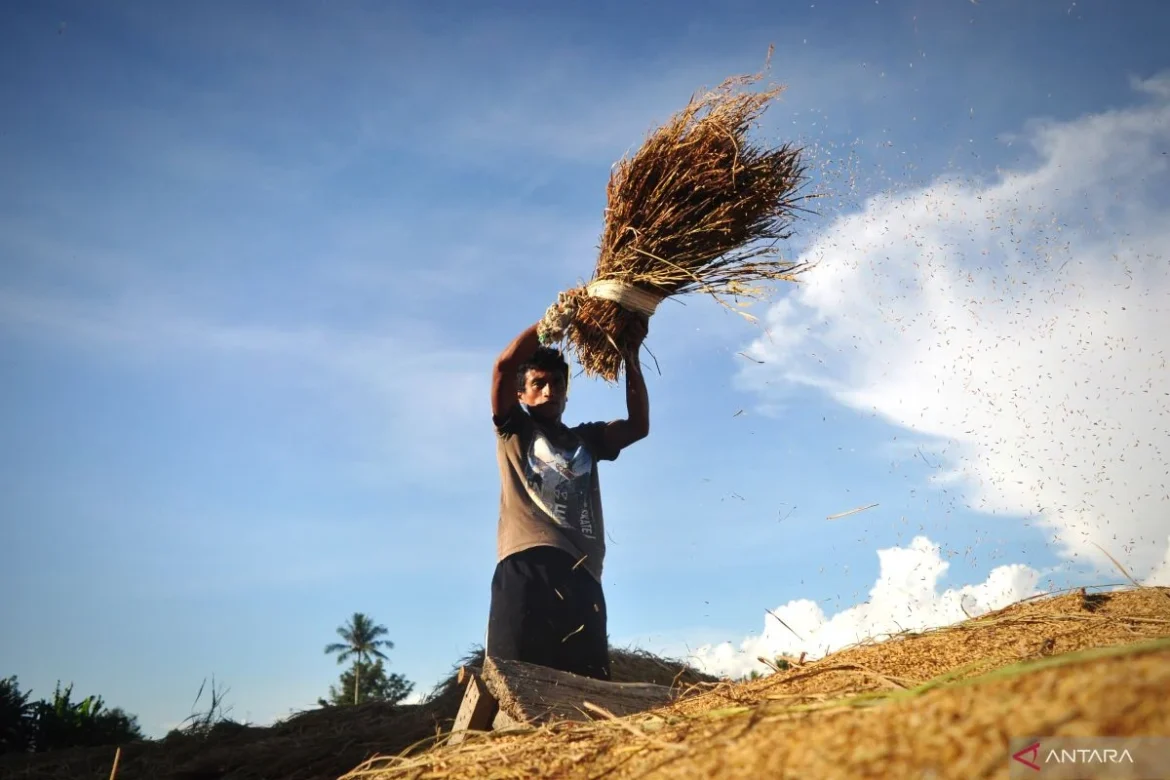
At its core, Bobibos undergoes a sophisticated bioenergy conversion process, augmented by a proprietary "special serum." This advanced methodology effectively transforms rice straw, a material traditionally discarded or burned after harvest – a practice contributing to air pollution – into a high-performance fuel. According to information disseminated through Bobibos’ official Instagram account, the resulting biofuel boasts a Research Octane Number (RON) of 98, matching that of premium gasoline, while offering significant environmental benefits.
Crucially, Bobibos is engineered to dramatically reduce exhaust emissions, bringing them close to zero. This starkly contrasts with the environmental impact of conventional fossil fuels, positioning Bobibos as a genuinely sustainable alternative for a cleaner transportation and industrial sector. The implications for air quality in urban centers and agricultural communities are substantial, potentially mitigating respiratory illnesses and reducing the overall carbon footprint of Indonesia’s energy consumption.
Addressing Energy Independence: The Genesis of Bobibos
The development of Bobibos is rooted in a long-standing national aspiration: to curtail Indonesia’s dependence on imported energy sources. For over a decade, M. Ikhlas Thamrin has dedicated himself to independent research, driven by the vision of harnessing the nation’s abundant local resources for energy production. Rice straw emerged as the ideal candidate due to its widespread availability across Indonesia’s vast agricultural landscapes and its high production efficiency.
By leveraging readily available domestic raw materials, the production costs for Bobibos are projected to be significantly lower than those associated with conventional fuels. This cost-effectiveness is central to the strategy of making Bobibos competitively priced, thereby encouraging widespread adoption. The ambition is not merely to produce a superior fuel but to make it accessible and economically viable for the average Indonesian consumer and industry.
A Boon for Farmers: Creating Value from Waste
Beyond its energy implications, the utilization of rice straw as a feedstock for Bobibos offers a transformative economic benefit to Indonesian farmers. What was once considered valueless agricultural waste, often leading to environmental problems when burned, is now being converted into a product with significant market value. This innovation opens up a new revenue stream for farmers, who can now monetize their straw, thereby enhancing their income and improving their livelihoods. This circular economy model, where agricultural byproducts become valuable resources, is a cornerstone of sustainable development.
Versatility and Performance: Bobibos Across Sectors
Bobibos is not a one-size-fits-all solution; it is produced in two primary variants: gasoline and diesel. This dual-product approach ensures its applicability across a wide spectrum of machinery and vehicles. From motorcycles and cars that form the backbone of daily transportation to agricultural equipment like tractors, marine engines powering fishing vessels, and even machinery used in small-scale industries, Bobibos is designed to be a versatile replacement for conventional fuels.
The advantages of Bobibos are multifaceted and include:
- Environmental Friendliness: Near-zero emissions and a significantly lower carbon footprint compared to fossil fuels.
- High Performance: Achieves a RON of 98, comparable to premium gasoline, ensuring efficient engine operation.
- Cost Competitiveness: Aims to be more affordable than conventional fuels due to the low cost of raw materials and efficient production.
- Energy Independence: Reduces reliance on imported fossil fuels, bolstering national energy security.
- Economic Empowerment: Creates new income opportunities for farmers by valorizing agricultural waste.
Endorsement and Early Trials: Validating Bobibos’ Potential
The efficacy and potential of Bobibos have already garnered significant attention and support. Governor of West Java, Dedi Mulyadi, personally participated in a direct field test of Bobibos using a diesel tractor at Lembur Pakuan. The results were highly encouraging, with the tractor demonstrating optimal engine performance, lighter operational pull, and notably cleaner exhaust fumes. This hands-on validation by a prominent regional leader lends considerable credibility to the claims made by the developers.
The innovation has also attracted the interest of various stakeholders, ranging from industry players to government bodies. H. Amir Mahpud, the owner of PT Primajasa, a major bus operator, has expressed his readiness to collaborate on using Bobibos as the primary fuel for his fleet operating in the Jabodetabek and West Java regions. This commitment from a significant transportation entity signals a potential large-scale adoption and serves as a crucial step towards expanding Bobibos’ reach nationwide. Such collaborations are vital for accelerating the transition towards a green energy landscape that is both sustainable and economically competitive.
A Sustainable Ecosystem: Beyond Fuel Production
The impact of Bobibos extends beyond its primary function as a fuel. The production process itself generates additional economic and environmental benefits. It is estimated that each hectare of paddy field can yield up to 3,000 liters of biofuel. Furthermore, the process yields valuable byproducts, including animal feed and organic fertilizer.
This comprehensive approach positions Bobibos as a catalyst for a truly sustainable economic cycle within the agricultural sector. Farmers are no longer just producers of food; they become integral contributors to the national supply of energy, animal feed, and organic fertilizers. This integrated model fosters resource efficiency and environmental stewardship, contributing to a more resilient and self-sufficient agricultural economy.
Broader Implications and Future Outlook
The successful development and introduction of Bobibos are significant not only for Indonesia but also as a potential model for other nations facing similar energy and agricultural challenges. The ability to convert a readily available, low-value agricultural byproduct into a high-performance, environmentally friendly fuel demonstrates the power of innovation and localized resource utilization.
The implications for Indonesia’s energy policy are profound. A successful rollout of Bobibos could significantly reduce the country’s trade deficit by decreasing fuel imports. It could also lead to the decentralization of energy production, empowering local communities and fostering greater energy independence. The environmental benefits, including improved air quality and reduced greenhouse gas emissions, align with global efforts to combat climate change.
The road ahead for Bobibos will involve scaling up production, navigating regulatory frameworks, and securing broader market acceptance. However, the initial achievements, coupled with strong endorsements and a clear vision for sustainability, suggest a promising future. As Indonesia continues to champion renewable energy solutions, Bobibos stands as a testament to the nation’s capacity for innovation and its commitment to a greener, more self-reliant energy future. The potential for this homegrown biofuel to transform both the energy sector and the agricultural economy is immense, paving the way for a new era of sustainable development in Indonesia. The success of this initiative could also inspire further research and development into other forms of bioenergy, utilizing the country’s diverse biomass resources. This includes exploring advancements in bioavtur from used cooking oil, as highlighted by experts from IPB, and other waste-to-energy technologies that can contribute to a diversified and sustainable national energy portfolio. The journey of Bobibos from agricultural waste to a high-performance fuel is a compelling narrative of ingenuity, environmental responsibility, and economic empowerment.
Pewarta: Putri Atika Chairulia
Editor: Maria Rosari Dwi Putri
Copyright © ANTARA 2025