
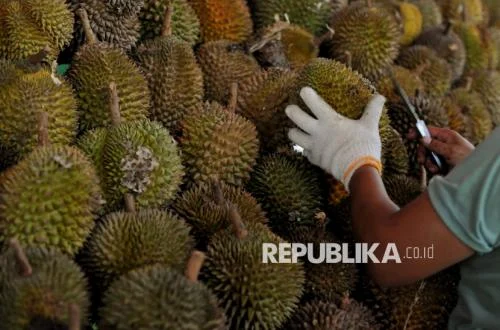
The global appetite for durian, often hailed as the "King of Fruits," is experiencing an unprecedented surge, with China emerging as the undisputed powerhouse driving this demand. The sheer scale of China’s annual durian consumption is staggering, estimated to be worth an astounding Rp120 trillion (approximately USD 7.5 billion), presenting an immense, untapped opportunity for Indonesia to significantly expand its horticultural exports and solidify its position as a major player in the international agricultural market. This burgeoning demand has ignited ambitious plans within the Indonesian government to transform its vast agricultural potential into concrete economic gains, particularly through strategic development in transmigration areas.
The Global Durian Phenomenon and China’s Unquenchable Thirst
Durian, with its distinctive aroma and rich, creamy texture, has transcended its regional origins to become a highly sought-after delicacy across Asia and increasingly, the world. The global durian market, valued at over USD 20 billion in 2023, is projected to grow at a compound annual growth rate (CAGR) exceeding 7% in the coming years, primarily fueled by rising disposable incomes and a growing appreciation for exotic fruits, especially within the Asia-Pacific region. While Thailand has historically dominated this market, accounting for over 90% of global durian exports, other Southeast Asian nations like Malaysia, Vietnam, and the Philippines are rapidly scaling up their production to meet the ever-increasing demand.
China, in particular, stands at the epicenter of this durian boom. The country’s expanding middle class, coupled with evolving dietary preferences and a cultural affinity for premium fruits, has transformed it into the world’s largest importer of durian. Chinese consumers are willing to pay top dollar for high-quality durian, particularly popular varieties like Musang King, Monthong, and Black Thorn. The demand is so robust that it often outstrips supply, leading to significant price fluctuations and a constant search for new, reliable sources. For Indonesia, a nation blessed with diverse agro-climatic conditions ideal for durian cultivation, this presents a golden opportunity to carve out a substantial share of this lucrative market.
Indonesia’s Strategic Play: Unlocking Potential in Parigi Moutong
The promising trajectory for Indonesian durian exports is particularly evident in the transmigration regions of Kabupaten Parigi Moutong, located in Central Sulawesi. These areas, historically developed as part of government-led resettlement programs aimed at population redistribution and regional economic development, are now being eyed as pivotal export hubs. Agus Harimurti Yudhoyono (AHY), the Coordinating Minister for Infrastructure and Regional Development, underscored the colossal potential of durian exports from this specific region. He projected that durian exports from Parigi Moutong alone could exceed Rp1 trillion (approximately USD 63 million) annually.
Minister AHY provided compelling figures, stating, "In a mere three-month period, exports could reach Rp400 billion. This extrapolates to more than Rp1 trillion being exported to China within a single year." This optimistic outlook is not merely speculative but is based on initial assessments of current yields, planned expansion, and the high market value of durian. The government’s strategic vision is to transform these transmigration areas, which were once primarily focused on subsistence farming, into highly productive, export-oriented agricultural zones specializing in high-value commodities like durian.
Government Commitment: Infrastructure and Connectivity as Enablers
Realizing such ambitious export targets necessitates robust governmental support, particularly in the realm of infrastructure and logistics. The Indonesian government is actively pushing for enhanced connectivity and modern infrastructure development within these production regions. The aim is to dismantle geographical isolation, ensuring that agricultural produce from areas like Parigi Moutong can seamlessly connect with global markets. This involves a multi-pronged approach:
- Road Networks: Upgrading and constructing arterial and feeder roads to facilitate efficient transport from farms to processing centers and ports.
- Port Modernization: Investing in port facilities in Central Sulawesi to handle increased cargo volumes, including specialized cold storage and loading equipment for perishable goods.
- Cold Chain Logistics: Developing a comprehensive cold chain system, encompassing refrigerated warehouses, transport vehicles, and cooling facilities at various points along the supply chain, critical for maintaining the quality of fresh and frozen durian.
- Digital Connectivity: Improving internet access in rural areas to support modern agricultural practices, market intelligence, and supply chain management.
Minister Muhammad Iftitah Sulaiman Suryanagara, the Minister of Transmigration, further affirmed the government’s commitment. He announced plans to personally oversee the initial large-scale durian export process to China. This inaugural shipment is anticipated to comprise tens of thousands of tons, with an estimated value of Rp42 billion (approximately USD 2.6 million). His visit underscores the high-level attention and strategic importance placed on this initiative. Minister Suryanagara highlighted that the Parigi Moutong region boasts one of the largest durian plantations globally, a testament to the potential for transmigration areas to evolve into new economic powerhouses driven by leading agricultural commodities.
A Chronology of Engagement and Strategic Bilateral Diplomacy
The groundwork for this export drive has been meticulously laid through focused bilateral engagements. A significant step occurred on April 13, when Minister Iftitah Sulaiman Suryanagara held a crucial meeting with the Chinese Ambassador to Indonesia, Wang Lutong. The discussions centered explicitly on opportunities for durian export cooperation, with China expressing strong interest in becoming a primary off-taker for Indonesian durian products. This meeting represents a tangible move to translate potential into concrete trade agreements.
The engagement reflects a broader pattern of strengthening economic ties between Indonesia and China. China’s "Belt and Road Initiative" (BRI) has seen significant infrastructure investments in Indonesia, fostering a conducive environment for trade expansion. For China, diversifying its durian import sources is a strategic imperative to ensure supply security and mitigate risks associated with over-reliance on a single supplier. Indonesia, with its vast and largely untapped durian cultivation areas, presents an ideal partner.
Phased Export Strategy: From Frozen to Fresh
To navigate the complexities of international trade and meet stringent import requirements, Indonesia has adopted a pragmatic, phased export strategy. The initial focus will be on exporting frozen durian. This approach offers several advantages:
- Quality Preservation: Freezing helps maintain the durian’s quality and extends its shelf life significantly, making it more resilient to long-distance shipping.
- Logistical Flexibility: Frozen durian is less susceptible to immediate spoilage, providing more leeway in transport schedules and logistics.
- Meeting Market Standards: While still requiring high standards, the phytosanitary requirements for frozen products are often less complex than for fresh produce, allowing Indonesia to build experience and trust in the market.
Once a robust supply chain and quality control system are firmly established and confidence in Indonesian durian products grows, the strategy will pivot towards exporting fresh durian. Fresh durian commands a significantly higher economic value and faces even greater demand in the Chinese market. This transition will, however, necessitate even more rigorous adherence to international phytosanitary standards, sophisticated cold chain infrastructure, and impeccable quality consistency from farm to fork. The government’s plan to start with frozen durian is a realistic and strategic entry point, allowing for incremental development of capabilities and market penetration.
The Production Hub: Bahari Tomini Raya’s Growing Yield
Data from the Parigi Moutong Regency Government indicates that the Bahari Tomini Raya Transmigration Area currently produces 903.9 tons of durian annually. This figure, while substantial, is considered merely a baseline. Local agricultural experts and government officials are confident that this production volume can be significantly increased through various interventions:
- Ecosystem Strengthening: Implementing modern agricultural practices, including improved fertilization, pest and disease management, and irrigation techniques.
- Investment in Horticulture: Attracting both domestic and foreign investment into durian orchards, processing facilities, and research and development for superior varieties.
- Farmer Training: Providing comprehensive training to local farmers on best practices for durian cultivation, harvesting, and post-harvest handling to maximize yield and quality.
- Expansion of Planted Areas: Identifying and developing new suitable land for durian cultivation within the transmigration zones and surrounding areas.
"Our goal is not just to increase volume, but to enhance the overall quality and consistency of our durian," stated a local agricultural official, emphasizing the importance of sustainable practices and farmer empowerment. "The potential for growth here is immense, given the fertile soil and ideal climate."
Navigating the Challenges: Quality, Consistency, and Certification
Despite the immense opportunities, the path to becoming a dominant durian exporter to China is fraught with challenges. The Chinese market, known for its discerning consumers and stringent import regulations, demands unwavering adherence to high standards. Key hurdles that Indonesia must overcome include:
- Quality Standards: Ensuring that every durian exported meets international quality benchmarks, including size, ripeness, aroma, and freedom from defects. This requires rigorous sorting, grading, and packaging processes.
- Consistency of Supply: Durian is a seasonal fruit. Maintaining a consistent supply throughout the year or managing seasonal peaks effectively is crucial. This could involve staggered planting across different microclimates, advanced cold storage solutions, and potentially exploring durian varieties with different fruiting seasons.
- Phytosanitary Certification: Obtaining and maintaining the necessary phytosanitary certificates from Chinese authorities is paramount. This involves strict pest and disease control protocols, regular inspections, and traceability systems that can track the origin of every fruit.
- Traceability and Food Safety: Consumers in China increasingly demand transparency regarding the origin and production methods of their food. Implementing robust traceability systems, from the farm to the consumer, is essential to build trust and meet food safety regulations.
- Logistical Infrastructure: The cold chain must be impeccable, preventing spoilage and maintaining optimal conditions during long-distance transportation. Any weak link in the chain can compromise the entire shipment.
- Market Intelligence and Branding: Understanding the nuanced preferences of Chinese consumers and developing a strong "Indonesia Durian" brand identity will be vital for long-term success.
Without meticulous preparation and a concerted effort to address these prerequisites, the significant export potential risks remaining largely untapped. As an industry expert commented, "The market is there, the demand is clear. But success hinges entirely on our ability to deliver consistent quality and meet the exacting standards of the most competitive market in the world."
Broader Implications: Economic Growth, Rural Development, and Bilateral Ties
The successful realization of Indonesia’s durian export ambitions holds profound implications beyond mere trade figures.
- Economic Diversification: It contributes significantly to diversifying Indonesia’s export portfolio, reducing its reliance on traditional commodities and boosting non-oil and gas exports. This enhances economic resilience against global market fluctuations.
- Rural Development and Poverty Alleviation: For transmigration areas like Parigi Moutong, this initiative promises substantial economic upliftment. Increased income for durian farmers, job creation in cultivation, harvesting, processing, and logistics will directly contribute to poverty reduction and improved living standards in rural communities. It validates the government’s long-term investment in these areas.
- Regional Economic Growth: Central Sulawesi stands to benefit immensely, transforming into a vibrant agricultural export hub. This could spur further investment in related industries and infrastructure, creating a ripple effect across the provincial economy.
- Strengthening Bilateral Relations: Successful agricultural trade fosters deeper economic and diplomatic ties between Indonesia and China, opening doors for cooperation in other sectors.
- Sustainable Agriculture: The focus on meeting international standards could drive the adoption of more sustainable and efficient farming practices across the Indonesian durian sector, promoting environmental stewardship.
In conclusion, Indonesia stands at the cusp of a transformative agricultural opportunity, with its durian potential poised to capture a significant share of China’s burgeoning market. The strategic focus on transmigration areas, coupled with robust government support for infrastructure and diplomatic engagement, lays a strong foundation. While challenges related to quality, consistency, and certification are substantial, the commitment from key ministries and the phased export strategy demonstrate a clear path forward. If executed effectively, this initiative promises not only to inject billions of rupiah into the national economy but also to profoundly uplift rural communities and solidify Indonesia’s standing as a formidable player in the global horticultural landscape. The "King of Fruits" may well become a kingmaker for Indonesia’s economic future.