
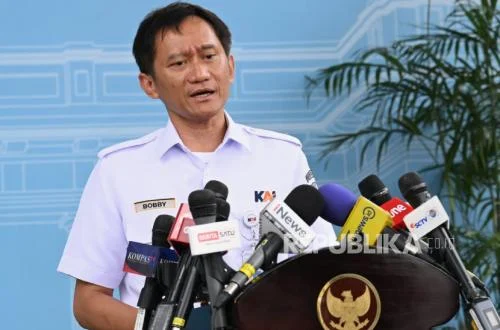
PT Kereta Api Indonesia (Persero) (KAI), Indonesia’s state-owned railway operator, has announced an ambitious target to implement 5G WiFi services for its long-distance train passengers by June 2026, strategically coinciding with the peak holiday season. This initiative aims to significantly enhance the passenger experience by providing robust and high-speed internet connectivity, directly addressing persistent complaints about the current quality of onboard internet services. The announcement follows a pivotal tripartite strategic Memorandum of Understanding (MoU) signed on Wednesday, April 15, 2026, at Tanah Abang Station in Jakarta, involving KAI, PT Solusi Sinergi Digital Tbk (SURGE), and PT Huawei Tech Investment (Huawei). This partnership extends beyond passenger connectivity, encompassing a broader vision for the accelerated adoption of 5G and Artificial Intelligence (AI) technologies across Indonesia’s entire railway system, promising advancements in operational efficiency, safety, and digital infrastructure.
Addressing the Connectivity Gap: A Priority for Passenger Satisfaction
The primary driver behind KAI’s push for 5G WiFi is the long-standing dissatisfaction among passengers regarding the existing internet services on trains. KAI President Director Bobby Rasyidin acknowledged these issues, stating, "Currently, there are many complaints that the internet on trains is not good, and streaming quality is poor. Therefore, we are striving to bring 5G networks to improve internet services starting from June-July [2026]." This candid admission underscores KAI’s commitment to customer-centric service improvement. In an increasingly connected world, reliable internet access has become an essential amenity, not just a luxury, especially for long-distance travel. Passengers expect to be able to work, stream entertainment, communicate with family and friends, and access information seamlessly throughout their journey. The current limitations often lead to frustrating experiences, particularly when attempting data-intensive activities like video streaming or video calls.
The planned rollout of 5G WiFi is a direct response to these demands. By leveraging the superior speeds, lower latency, and increased capacity of 5G technology, KAI aims to deliver an internet experience comparable to, if not better than, what passengers enjoy in urban environments. This upgrade is anticipated to transform train journeys, allowing passengers to stream high-definition videos, engage in video conferencing, and maintain stable internet connections for work or leisure activities without interruption. The strategic timing of the June 2026 launch, coinciding with a major holiday period, is designed to immediately impact a large volume of travelers, showcasing KAI’s commitment during a time of high demand for its services.
Phased Implementation and Key Routes
KAI has outlined a phased approach for the 5G WiFi implementation, prioritizing routes with high passenger traffic, particularly during holiday seasons. The initial focus will be on major corridors connecting Jakarta with Semarang, Yogyakarta, and Surabaya. These routes, known for their popularity among both leisure and business travelers, will serve as the vanguard for KAI’s enhanced digital services. Bobby Rasyidin specified, "We will prioritize our main trains first, such as those going to Yogyakarta. Perhaps KA Taksaka first, then those passing through the northern route like KA Argo, those are our priorities."
The choice of these specific routes and train types reflects a data-driven strategy. Trains like KA Taksaka and KA Argo services are premium offerings, often attracting passengers who are more likely to demand and utilize high-quality internet services. By targeting these routes first, KAI can gather valuable feedback, fine-tune the technology, and demonstrate the tangible benefits of 5G connectivity to a significant portion of its customer base. Success on these flagship routes will then pave the way for broader implementation across the entire long-distance network. The northern route, connecting major cities across Java, is a critical economic and social artery, making it an ideal candidate for showcasing advanced connectivity solutions.
The Strategic Tripartite Partnership: A Foundation for Digital Future
The ambitious vision for 5G connectivity and broader digital transformation is underpinned by the strategic MoU signed between KAI, SURGE, and Huawei. This partnership brings together KAI’s extensive railway network and operational expertise, SURGE’s digital infrastructure and connectivity solutions, and Huawei’s cutting-edge 5G and AI technologies. This collaboration is structured around three core pillars, designed to holistically advance Indonesia’s railway system:
-
ICT Infrastructure Cooperation: This foundational aspect involves the establishment of a robust backbone network, comprehensive wireless coverage at stations and depots, and cloud solutions. The objective is to ensure business continuity, provide flexibility for service expansion, and create a resilient digital environment essential for modern railway operations. A strong ICT backbone is crucial for supporting not only passenger WiFi but also operational communication, data analytics, and future smart railway applications. Wireless coverage at stations and depots will enhance efficiency for KAI staff and offer seamless connectivity for passengers even before boarding. Cloud solutions will provide the necessary agility and scalability for managing vast amounts of data generated by an increasingly digitized railway system.
-
5G FRMCS (Future Railway Mobile Communication System) Network and Applications: This area focuses on deploying 5G FRMCS to significantly enhance railway safety, efficiency, and overall service quality. FRMCS is a global standard for railway communication, designed to replace older GSM-R systems, offering superior capabilities for train control, operational communication, and real-time data exchange. The MoU includes a pilot project on the Rangkasbitung-Tanah Abang line, specifically targeting improved level crossing safety and intelligent train dispatching. This pilot is critical for demonstrating how advanced 5G communication can prevent accidents at level crossings, optimize train schedules, and enable more precise and efficient management of train movements, ultimately contributing to a safer and more reliable railway network.
-
AI-based Freight Wagon Detection: This innovative application of AI will revolutionize freight operations. By implementing AI-powered video analytics, the system will enable intelligent detection of anomalies and automatic warnings for freight trains. This will drastically improve the efficiency of wagon turnaround, reduce the need for manual inspections, and enhance overall safety in cargo transportation. AI can identify potential issues like damaged parts, improper loading, or overheating axles much faster and more accurately than human inspection, leading to proactive maintenance, reduced delays, and greater operational reliability for KAI’s freight services.
SURGE and Huawei: Key Enablers of Digital Transformation
The success of KAI’s digital ambitions heavily relies on the expertise and resources brought by its partners. PT Solusi Sinergi Digital Tbk (SURGE) is a prominent player in Indonesia’s digital infrastructure landscape. Leveraging its extensive fiber optic network, which often runs alongside railway lines, SURGE is uniquely positioned to provide the robust backbone connectivity required for 5G deployment across KAI’s vast network. Their role will be critical in building the physical and digital infrastructure that supports both passenger connectivity and operational systems. SURGE’s experience in deploying large-scale digital solutions across various sectors in Indonesia makes them an ideal partner for such a complex and widespread project.
PT Huawei Tech Investment (Huawei), a global leader in information and communications technology, brings unparalleled expertise in 5G technology and AI solutions. Huawei’s contributions will include providing the necessary 5G equipment, network architecture design, and technical implementation support. Their track record in deploying advanced railway communication systems globally, including FRMCS, positions them as a strategic technology partner. Huawei’s AI capabilities will be instrumental in developing and deploying the intelligent detection systems for freight wagons, showcasing their commitment to delivering cutting-edge solutions that drive efficiency and safety. The collaboration with Huawei underscores KAI’s commitment to adopting world-class technology for its modernization efforts.
Broader Implications for Indonesia’s Digital Landscape
KAI’s initiative is not merely an isolated project; it holds significant implications for Indonesia’s broader digital transformation agenda. As the country continues to push for enhanced digital connectivity and 5G adoption, KAI’s efforts contribute directly to achieving national goals. The deployment of 5G infrastructure along railway corridors will extend high-speed internet access to previously underserved areas, fostering digital inclusion and supporting economic activities in regions traversed by trains.
Furthermore, this project positions KAI as a pioneer in smart transportation in Indonesia. By integrating 5G and AI into its operations, KAI is setting a precedent for other state-owned enterprises and transportation sectors to embrace advanced technologies for improved service delivery, safety, and efficiency. The move towards a digitally integrated railway system aligns with the government’s vision for smart cities and smart infrastructure, where connectivity and intelligent systems are foundational.
The economic impact of this initiative is also noteworthy. The significant investment in 5G infrastructure and AI solutions will stimulate growth in the technology sector, potentially creating new job opportunities in installation, maintenance, and software development. It also enhances Indonesia’s attractiveness as a hub for technological innovation and digital investment.
The Path Ahead: Challenges and Opportunities
While the announcement marks a significant step forward, the implementation of such a large-scale technological upgrade will undoubtedly present challenges. Ensuring seamless 5G coverage across thousands of kilometers of railway lines, including tunnels and remote areas, will require extensive network planning and deployment. Managing the integration of new 5G and AI systems with existing legacy infrastructure will also be a complex task. Cybersecurity will be paramount, requiring robust measures to protect sensitive operational data and passenger information.
However, the opportunities presented by this digital transformation far outweigh the challenges. The enhanced passenger experience is expected to boost ridership, making train travel a more attractive and competitive option. Improved operational efficiency through 5G FRMCS and AI will lead to cost savings, reduced delays, and a more reliable railway service. Most importantly, the advancements in safety, particularly through intelligent level crossing management and freight wagon detection, will save lives and prevent accidents, reinforcing KAI’s commitment to public welfare.
As KAI moves towards its June 2026 target, the eyes of both passengers and industry observers will be on this ambitious project. The successful implementation of 5G WiFi and integrated AI solutions will not only redefine train travel in Indonesia but also solidify KAI’s position at the forefront of digital innovation within the national transportation sector, contributing significantly to a more connected, efficient, and safer Indonesia.