
JAKARTA – Global leader in housing solutions, LIXIL, is actively advocating for enhanced cross-sector collaboration to elevate the quality of living environments in Indonesia, prioritizing health and sustainability. This strategic push aligns with the evolving paradigms of development, which increasingly emphasize the integration of design and technology alongside aesthetic considerations. The company’s commitment underscores a recognition that addressing complex urban challenges and future societal needs necessitates a holistic and interconnected approach.
"Through the spirit of cross-sector collaboration, LIXIL is committed to being a strategic partner that provides a platform for professionals to grow together, while simultaneously supporting the national development agenda," stated Arfindi Batubara, Marketing Director of LIXIL Water Technology Indonesia, in a written statement released on Wednesday, April 15, 2026. This sentiment reflects a broader understanding within the industry that innovation and progress are best achieved through shared expertise and collective action.
The contemporary development landscape reveals a growing dependence on the synergy between architectural design and technological advancements for improving the quality of both residential spaces and public areas. LIXIL’s assessment highlights collaboration as the pivotal element in establishing new benchmarks capable of addressing the escalating pressures of urbanization and anticipating future societal demands. As urban populations continue to swell, the need for resilient, efficient, and health-conscious living environments becomes paramount. LIXIL’s initiative positions itself as a catalyst for this essential transformation.
Strategic Initiatives and Industry Engagement
LIXIL’s dedication to fostering this collaborative ecosystem is manifested through a series of proactive initiatives. These range from active participation in crucial industry forums to the organization of impactful programs such as the LIXIL Architectural Design Competition (LADC) and the LIXIL Day of Architecture and Design (LDAD). The overarching objective of these endeavors is to create open channels for the exchange of ideas and innovations, thereby strengthening the architectural ecosystem within Indonesia.
The LADC, for instance, serves as a platform for emerging and established architects to showcase their creative solutions to real-world design challenges, often with a focus on sustainability and user well-being. Similarly, LDAD aims to bring together a diverse group of stakeholders, including architects, designers, developers, and policymakers, to discuss contemporary trends, share best practices, and explore future directions in the built environment. These events not only stimulate creativity but also facilitate networking and the formation of valuable partnerships.
ARCH:ID 2026 Participation: A Showcase of Integrated Design
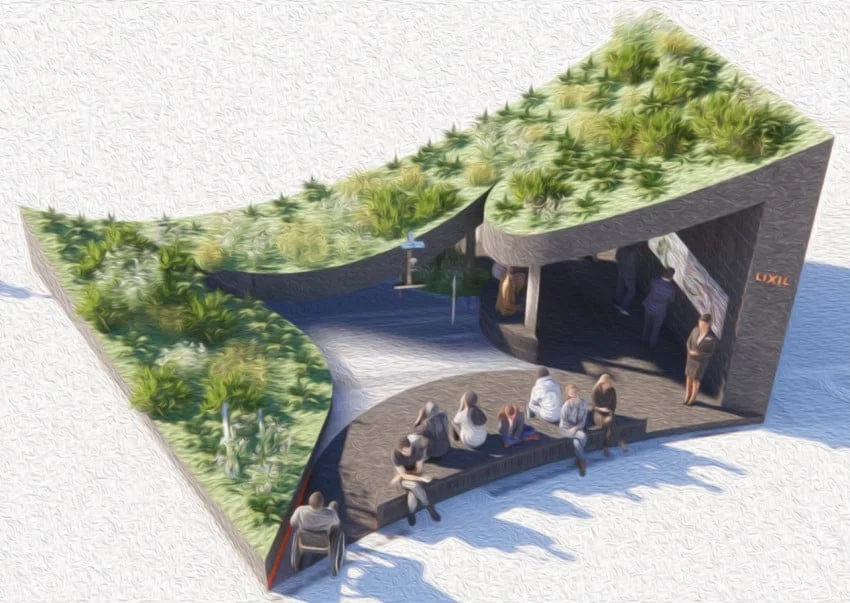
As a testament to its strategic approach, LIXIL made a significant presence at ARCH:ID 2026, a prominent exhibition for architects and the built environment industry. The company presented a compelling pavilion titled “OASE: Architecture in the Water Cycle.” This installation, a result of a collaborative effort with renowned architect Adi Purnomo and a multidisciplinary team, offered a tangible demonstration of how innovative design and integrated systems can contribute to healthier and more sustainable living spaces.
The "OASE" pavilion was more than just an exhibition space; it was designed as an immersive experience that illustrated the intricate relationship between architecture and water, a fundamental element for life and sustainability. The concept explored how buildings can be designed to interact harmoniously with water cycles, from collection and conservation to efficient use and responsible discharge. This approach aligns with LIXIL’s core mission of providing advanced water technologies and solutions that enhance both hygiene and resource management within homes and communities.
Adi Purnomo, in his role as lead architect, brought a wealth of experience in sustainable design and a deep understanding of the Indonesian context. His collaboration with LIXIL’s technical experts and material scientists ensured that the pavilion showcased not only innovative architectural concepts but also the practical application of cutting-edge materials and technologies. The multidisciplinary team likely included engineers, environmental specialists, and urban planners, underscoring the project’s holistic vision.
The Broader Context: Urbanization and the Need for Sustainable Solutions
Indonesia, as one of the world’s most populous nations, is experiencing rapid urbanization. This demographic shift presents both opportunities and challenges. While it drives economic growth and development, it also places immense pressure on existing infrastructure, resources, and the environment. The demand for housing, public spaces, and essential services is surging, necessitating innovative solutions that can cater to a growing population without compromising the planet’s future.
The Indonesian government has been actively promoting sustainable development agendas, with a strong focus on green building practices, resource efficiency, and enhancing the quality of urban life. Initiatives like the development of new smart cities and the retrofitting of existing urban areas with sustainable technologies are indicative of this national commitment. LIXIL’s emphasis on collaboration and its engagement in industry events like ARCH:ID directly support these national objectives by providing practical solutions and fostering a culture of innovation.
Data from the United Nations indicates that by 2030, a significant portion of Indonesia’s population will reside in urban areas. This trend necessitates a proactive approach to urban planning and development that prioritizes resilience, health, and environmental stewardship. The concept of "healthy living spaces" extends beyond mere shelter; it encompasses access to clean water, effective sanitation, energy efficiency, and environments that promote physical and mental well-being. LIXIL’s focus on these aspects through its product innovations and collaborative efforts is therefore highly relevant.
Implications for the Indonesian Built Environment
LIXIL’s strategic direction and its engagement with the Indonesian market have several significant implications for the nation’s built environment. Firstly, it signals a shift in industry focus towards integrated solutions. Developers, architects, and policymakers can increasingly expect to see a more holistic approach to building design, where water management, sanitation, energy efficiency, and user comfort are considered interconnected elements rather than separate concerns.
Secondly, the emphasis on cross-sector collaboration is vital for knowledge transfer and capacity building. By bringing together professionals from diverse fields, LIXIL is helping to foster a more dynamic and innovative ecosystem. This can lead to the development of locally relevant solutions that are both technologically advanced and culturally appropriate. The LIXIL Architectural Design Competition, for example, has the potential to unearth groundbreaking ideas from Indonesian talent, contributing to a unique national architectural identity.
Thirdly, LIXIL’s commitment to sustainability aligns with global trends and growing consumer demand for eco-friendly products and practices. As awareness of climate change and environmental degradation increases, so too does the demand for buildings that minimize their ecological footprint. LIXIL’s portfolio, which includes water-saving fixtures and advanced sanitation systems, directly addresses this growing market need.
The company’s consistent participation in high-profile industry events and its proactive engagement with architectural communities serve to elevate the discourse around sustainable and healthy living. This not only promotes LIXIL’s brand but also contributes to the overall maturation of the Indonesian construction and design sectors.
Future Outlook and Continued Commitment
Looking ahead, LIXIL’s continued emphasis on cross-sector collaboration is poised to play a crucial role in shaping the future of urban development in Indonesia. As the nation continues its journey towards becoming a more developed and sustainable economy, the need for innovative, integrated, and human-centric living spaces will only intensify. LIXIL’s strategic partnerships and its commitment to fostering a collaborative environment position it as a key player in meeting these evolving demands.
The company’s dedication to providing solutions that enhance both hygiene and sustainability is fundamental to creating healthier communities. By actively engaging with architects, designers, and other stakeholders, LIXIL is not merely selling products; it is contributing to a broader vision of a more liveable and resilient Indonesia. The success of initiatives like ARCH:ID and the LADC will be a strong indicator of the growing momentum towards a more integrated and sustainable approach to the built environment, with LIXIL at the forefront of this transformative movement.