
A groundbreaking study from the Indonesia Health Development Center (IHDC) has unveiled a stark reality: one in five children in Indonesia suffers from stunting and anemia, conditions that are directly impacting their cognitive abilities, including crucial working memory. This finding underscores a critical, yet often overlooked, dimension of malnutrition in Indonesia, extending beyond physical growth to affect the intellectual potential of its youngest generation. The implications are profound, signaling a potential long-term drag on the nation’s human capital development and overall progress.
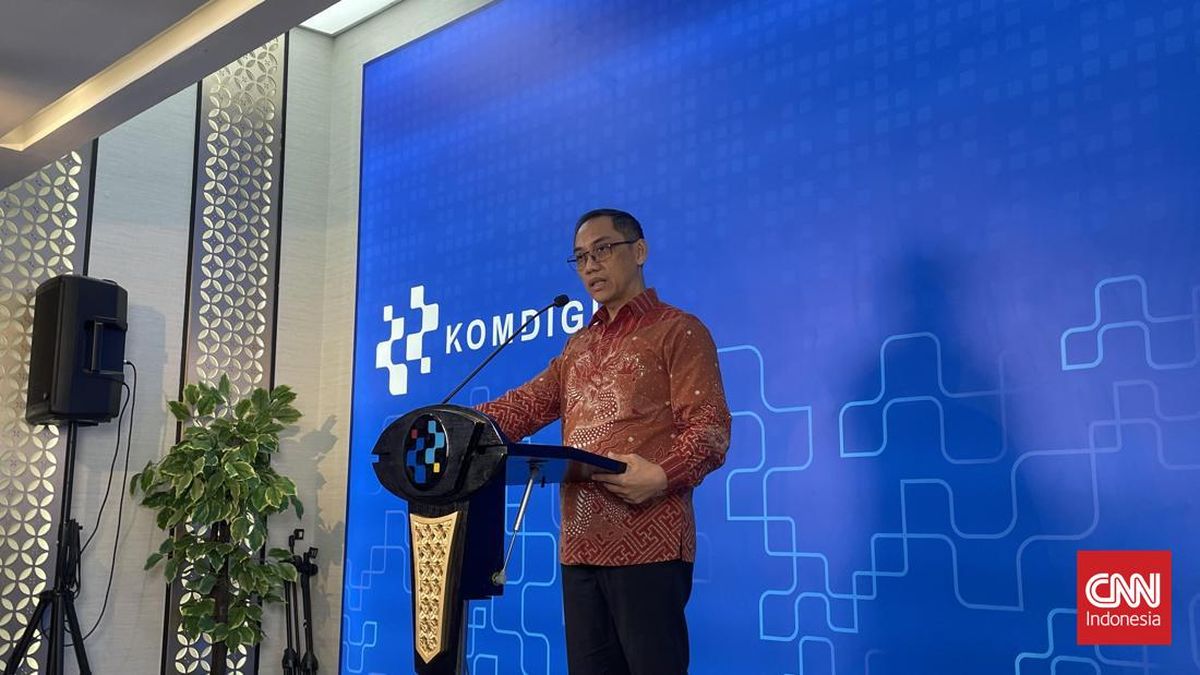
The study, presented in Jakarta on Wednesday, April 15, 2026, by IHDC, highlights that despite improvements in human development indicators, the persistent challenge of malnutrition, particularly among children, poses a significant threat to their future cognitive capacity. Nila Djuwita Moeloek, the Chairperson of IHDC’s Advisory Board, emphasized that this issue remains a substantial homework assignment for Indonesia, even as the nation strives for broader development.
"Indonesia still has stunting. One in five Indonesian children are stunted, still 20 percent," Moeloek stated during the study’s dissemination. This statistic, representing a substantial portion of the nation’s children, points to a deeply entrenched problem that requires urgent and comprehensive intervention. The IHDC’s research moves beyond the commonly understood effects of stunting on physical stature, delving into its insidious impact on brain development and academic performance.
Beyond Physical Stature: The Brain’s Vulnerability
Historically, stunting has been primarily viewed as a problem of stunted physical growth, often characterized by short stature for age. However, the IHDC’s research unequivocally demonstrates that the ramifications extend far deeper, affecting the very architecture of a child’s developing brain. Children experiencing stunting and anemia are demonstrably more likely to exhibit lower academic capabilities and impaired brain development compared to their well-nourished peers.
The study’s findings are particularly concerning regarding the magnitude of this cognitive deficit. Children affected by stunting and anemia can experience a multi-fold decrease in their cognitive abilities. Moeloek elaborated on this critical point, stating, "With stunting, the academic ability or brain development is five times lower. This means their comprehension is not the same as normal children." This significant reduction in comprehension and learning capacity can create an insurmountable gap in educational attainment, setting these children on a trajectory of academic struggle.
Furthermore, the study places a spotlight on the significant role of anemia, specifically iron deficiency, in this cognitive impairment. Low hemoglobin levels, a hallmark of anemia, have been directly correlated with deficits in working memory. Working memory is a vital cognitive function responsible for temporarily storing and manipulating information, which is fundamental for learning, problem-solving, and complex reasoning.

"Low hemoglobin correlates with comprehension or working memory. The operation is almost 4, around 3.08," Moeloek explained, quantifying the impact of iron deficiency on this critical cognitive function. This suggests that children with anemia struggle to hold and process information simultaneously, directly hindering their ability to engage with educational material and complex tasks.
The IHDC’s research further identified that one in five children exhibits a deficit in working memory, with this deficiency being particularly pronounced among children who are stunted, anemic, and have inadequate intake of protein and calories. This convergence of nutritional deficiencies paints a grim picture of the challenges faced by a significant segment of Indonesia’s child population.
A Complex Web of Nutritional Deficiencies
The IHDC’s study, conducted on primary school students in Jakarta, revealed a widespread deficiency in essential nutrients, including protein, calories, and iron. These nutrients are not merely building blocks for physical growth; they are indispensable for optimal brain development and a child’s readiness to learn.
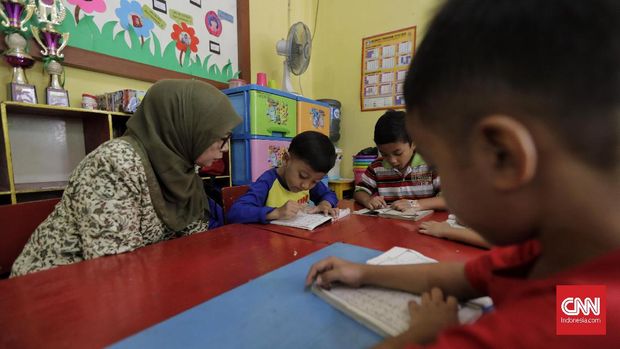
The consequences of this nutritional deficit are palpable in the classroom. Children suffering from malnutrition often struggle with focus and concentration, exhibit slower comprehension of lessons, and are at a heightened risk of falling behind academically. This creates a vicious cycle where poor nutrition leads to poor academic performance, which can, in turn, limit future educational and economic opportunities.
Moeloek stressed that the problem of childhood malnutrition in Indonesia is not an isolated issue but rather a complex interplay of various factors. These include access to nutritious food, adequate sanitation, and effective parenting practices. Addressing this multifaceted challenge requires a holistic approach that tackles these interconnected determinants.
The Critical Window: The First 1,000 Days of Life
A central tenet of the IHDC’s findings is the paramount importance of early intervention. Moeloek strongly emphasized that nutritional interventions cannot be delayed until children are older. The most critical period for intervention is from conception through a child’s second year of life, a period commonly referred to as the "1,000 days of life."
"This is needed from the early age, especially within the first thousand days of life, meaning during pregnancy and up to two years of age," she explained. This critical window of development offers a unique opportunity to shape a child’s cognitive and physical trajectory. Interventions during this period can lay the foundation for healthy brain development and prevent irreversible damage caused by malnutrition.
Furthermore, Moeloek highlighted the crucial role of maternal preparedness before pregnancy, particularly concerning the mother’s health and nutritional status. The health and nutritional status of the mother directly influence the developing fetus. Interventions after the age of two years, while still potentially beneficial, are significantly less optimal in their impact.
"We once tried to give good food to stunted children, and their IQ only increased by about 15 percent, so it wasn’t truly significant," Moeloek shared, illustrating the diminishing returns of late interventions. While some improvements may be observed, the potential for full recovery of cognitive function is significantly curtailed if critical nutritional needs are not met during the early stages of development.
Implications for Human Capital and National Development
The persistent issue of child malnutrition and its impact on cognitive development has direct and far-reaching implications for Indonesia’s future human capital and its overall competitiveness on the global stage. Moeloek alluded to the nation’s average IQ as a continuing challenge, suggesting that improved cognitive capacity among its population is essential for national progress.
She asserted that an increase in the Human Development Index (HDI) alone is insufficient if not accompanied by equitable improvements in nutrition and health quality. The IHDC advocates for comprehensive interventions that extend beyond mere food provision to encompass education, sanitation, and improved parenting practices.
"If our country wants to have good, quality human resources, the beginning is to provide them with the right food, good conditions, and of course, quality parenting or education," Moeloek stated. This integrated approach recognizes that a child’s development is influenced by a multitude of environmental and social factors.
Key Interventions Identified by IHDC:
- Ensuring Adequate Intake: Prioritizing sufficient consumption of protein, calories, and iron for children, particularly during the critical early years. This involves promoting diverse diets and addressing affordability and accessibility of nutritious foods.
- Improving Water and Sanitation: Enhancing access to clean water and adequate sanitation facilities is crucial to prevent infections that can exacerbate malnutrition and hinder nutrient absorption.
- Elevating Parenting and Education Quality: Investing in programs that educate parents on optimal childcare practices, nutrition, and early childhood development is vital. This includes promoting responsive parenting and creating stimulating learning environments.
The IHDC’s findings serve as a potent reminder that the issue of child malnutrition transcends a mere health concern; it is intrinsically linked to the future of generations and the nation’s potential. Without timely and effective interventions, the long-term consequences—stunted cognitive abilities, reduced productivity, and diminished national competitiveness—will continue to cast a shadow over Indonesia’s aspirations for progress and prosperity. The study’s call to action is clear: a concerted, multi-sectoral effort is required to ensure that every Indonesian child has the opportunity to reach their full intellectual and developmental potential.