Jakarta, CNN Indonesia — Hybrid electric vehicles (HEVs) continue to hold their position as the preferred choice for Indonesian consumers, even as battery electric vehicles (BEVs) and plug-in hybrid electric vehicles (PHEVs) gain traction in the rapidly evolving era of automotive electrification. Data for March 2026 reveals a notable increase in HEV distribution, a trend that diverges from the performance of both BEVs and PHEVs during the same period.
According to wholesale distribution figures released by the Indonesian Automotive Industry Association (Gaikindo), the distribution of HEVs saw a significant rise, reaching 6,947 units in March 2026. This marks a substantial increase from the 5,798 units recorded in February of the same year. In stark contrast, the distribution of BEVs experienced a downturn, dropping to 10,572 units from 12,314 units. Similarly, PHEVs saw a decline, with distribution falling to 345 units in March from 663 units in February.
This divergence in sales performance underscores a current market sentiment that favors the established benefits of hybrid technology, which offers a balance between fuel efficiency and the convenience of traditional internal combustion engines, without the range anxiety often associated with fully electric vehicles.
Toyota Veloz HEV Leads the Charge in Hybrid Segment
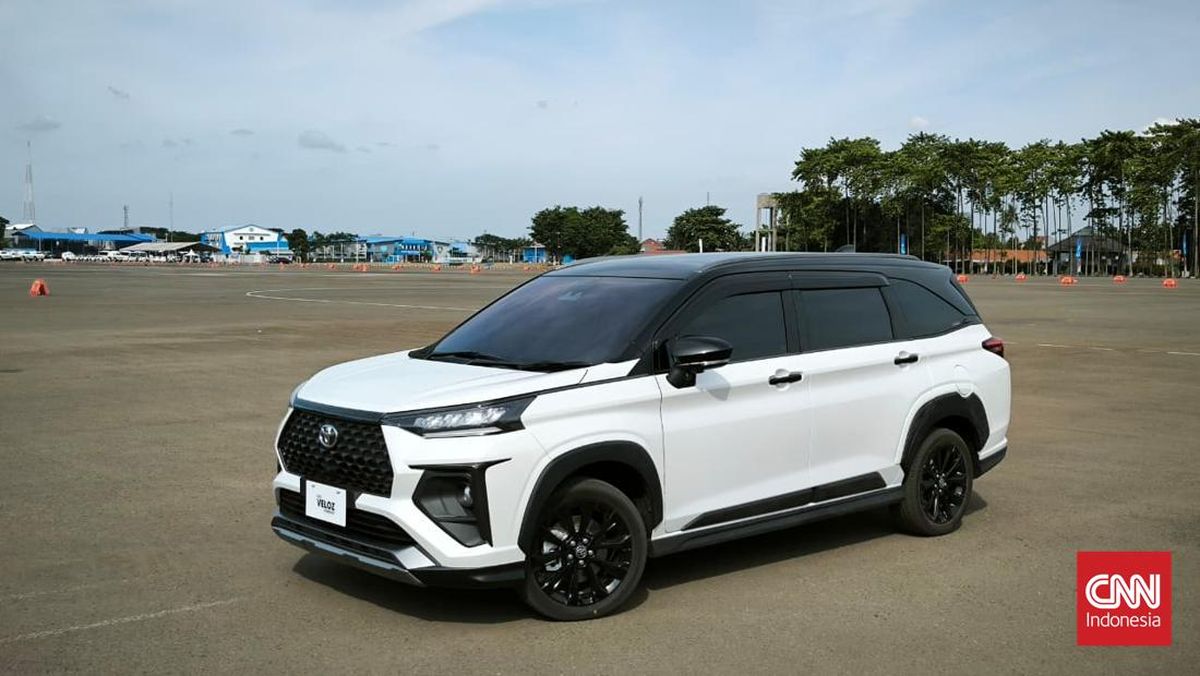
Within the thriving HEV segment, the Toyota Veloz HEV has emerged as the leading contributor, solidifying its status as the top-selling hybrid model for March 2026. This electrified low multi-purpose vehicle (MPV) recorded a distribution of 2,325 units during the month. This strong performance is directly linked to Toyota’s strategic launch of the Veloz Hybrid’s initial distribution in March, building upon the strong pre-order interest generated since November 2025.
The robust demand for the Veloz HEV highlights the growing consumer appetite for more affordable and practical electrified options within the popular MPV segment. Toyota’s success in this area can be attributed to its ability to leverage its established brand presence and widespread dealer network, making hybrid technology more accessible to a broader demographic.
Key Players and Emerging Trends in the Hybrid Market
Following the Veloz HEV, the Toyota Kijang Innova Zenix HEV secured the second position with 1,617 units distributed. This indicates continued strong demand for larger, more premium hybrid vehicles, catering to families and those seeking greater comfort and versatility.
The Honda HR-V e:HEV claimed the third spot with 998 units distributed. This demonstrates Honda’s successful integration of hybrid technology into its popular compact SUV, appealing to consumers looking for a stylish and fuel-efficient urban mobility solution.
The Suzuki XL-7 Hybrid further cemented its presence in the market, ranking fourth with a distribution of 655 units. This positions Suzuki as a significant player in the hybrid segment, offering a compelling option in the competitive SUV landscape.
Sedan Segment Shows Resilience in Hybrid Adoption
Beyond the dominant MPV and SUV segments, the hybrid sedan market continues to demonstrate its enduring appeal. The Toyota Camry Hybrid recorded a distribution of 202 units, underscoring its established reputation for reliability and advanced hybrid technology. Close behind, the Toyota Crown HEV achieved a distribution of 201 units, suggesting a sustained interest in premium hybrid sedans that offer a refined driving experience.
Other notable performers in the hybrid market include the Suzuki Fronx Hybrid, which saw 129 units distributed, and the Toyota Yaris Cross HEV, with 115 units. The Hyundai Tucson HEV also contributed to the segment with 99 units distributed, indicating the growing diversification of hybrid offerings across various brands and vehicle types. Rounding out the top ten, the Toyota Corolla Cross HEV registered 80 units in distribution for March 2026, further illustrating the broad adoption of hybrid powertrains across Toyota’s extensive model lineup.
Top 10 Hybrid Electric Vehicles (HEV) by Distribution in Indonesia – March 2026:
- Toyota Veloz HEV: 2,325 units
- Toyota Kijang Innova Zenix HEV: 1,617 units
- Honda HR-V e:HEV: 998 units
- Suzuki XL-7 Hybrid: 655 units
- Toyota Camry Hybrid: 202 units
- Toyota Crown HEV: 201 units
- Suzuki Fronx Hybrid: 129 units
- Toyota Yaris Cross HEV: 115 units
- Hyundai Tucson HEV: 99 units
- Toyota Corolla Cross HEV: 80 units
Context and Analysis: The Hybrid Advantage in Indonesia
The sustained popularity of HEVs in Indonesia can be attributed to a confluence of factors. Firstly, the existing charging infrastructure for fully electric vehicles is still under development, making HEVs a more practical choice for consumers who may not have consistent access to charging stations. The ability of HEVs to seamlessly switch between electric and gasoline power, and to recharge their batteries through regenerative braking and the internal combustion engine, significantly mitigates range anxiety.
Secondly, the total cost of ownership for HEVs is often perceived as more favorable in the short to medium term compared to BEVs. While BEVs may offer lower running costs due to electricity prices, their higher initial purchase price and potential battery replacement costs can be a deterrent for many Indonesian buyers. HEVs, on the other hand, typically represent a more accessible entry point into electrified mobility, offering improved fuel economy over conventional gasoline cars without a drastic increase in upfront investment.
The Indonesian government has been actively promoting the adoption of electric vehicles, offering various incentives and setting ambitious targets for EV penetration. However, the market dynamics clearly show that hybrid technology is currently serving as a crucial bridge technology, allowing consumers to gradually transition towards more sustainable transportation solutions. The data suggests that for many, this gradual approach is more palatable than an immediate leap to full electrification.
Future Implications and Market Trajectory
The performance in March 2026 suggests that HEVs will likely continue to play a dominant role in the Indonesian automotive market for the foreseeable future. Manufacturers are responding to this demand by expanding their hybrid offerings and investing in hybrid powertrain technologies. This sustained demand for HEVs could influence the pace of BEV adoption, as consumers may delay their transition to fully electric vehicles until battery technology advances further, charging infrastructure becomes more widespread, and the overall cost of BEVs becomes more competitive.
The continued success of models like the Toyota Veloz HEV indicates that the market is particularly receptive to electrified versions of popular, mass-market vehicles. This trend is likely to encourage other manufacturers to introduce similar hybrid variants of their best-selling models. As more consumers experience the benefits of hybrid technology – namely, enhanced fuel efficiency and reduced emissions without compromising on convenience – the market share of HEVs is expected to remain robust.
However, the declining trend in BEV and PHEV sales in March warrants close monitoring. While these figures represent a single month, they could indicate a temporary slowdown in the adoption of more advanced electrification technologies, possibly due to economic factors, consumer hesitancy, or a lack of compelling offerings in certain segments. The long-term trajectory will depend on the interplay between technological advancements, government policies, infrastructure development, and evolving consumer preferences.
The Indonesian automotive industry is at a critical juncture, navigating the complex transition towards a more sustainable future. While the allure of fully electric vehicles is undeniable, the current data strongly suggests that hybrid electric vehicles are the pragmatic and preferred pathway for the majority of Indonesian consumers today, offering a tangible and accessible step towards greener mobility. The continued success of HEVs will undoubtedly shape the landscape of automotive innovation and consumer choice in Indonesia for years to come.