

The Social Security Administrative Body for Health, widely known as BPJS Kesehatan, has significantly modernized its service delivery to accommodate the growing digital needs of the Indonesian population. As the backbone of the National Health Insurance (JKN) program, BPJS Kesehatan now provides multiple streamlined channels for participants to verify their membership status without the necessity of visiting a physical branch office. This digital transformation is a pivotal component of the government’s broader strategy to achieve Universal Health Coverage (UHC) while ensuring that administrative hurdles do not impede access to essential medical services. For the millions of Indonesians enrolled in the program, maintaining an active status is critical, as any lapse in membership can lead to the suspension of benefits at the point of care, potentially resulting in significant out-of-pocket expenses during medical emergencies.
The Strategic Importance of Membership Verification
Understanding one’s BPJS Kesehatan status is more than a mere administrative formality; it is a vital step in ensuring healthcare security. The JKN-KIS (National Health Insurance-Healthy Indonesia Card) system operates on a contributory principle, where active status is maintained through regular premium payments or government subsidies for the underprivileged (PBI). When a participant’s status becomes inactive—often due to payment arrears, data discrepancies, or changes in employment—they lose immediate access to subsidized outpatient and inpatient services at primary health facilities (Puskesmas) and referral hospitals.
In recent years, BPJS Kesehatan has integrated its database with the Ministry of Home Affairs’ Directorate General of Population and Civil Registration (Dukcapil). This integration allows the National Identity Number (NIK) found on the KTP (Resident Identity Card) to serve as the primary identifier for all health services. Consequently, checking membership status has become more accessible, requiring only a smartphone and a stable internet connection.
Detailed Methods for Checking BPJS Status via Mobile Devices
To ensure maximum inclusivity, BPJS Kesehatan offers three primary digital channels: the Mobile JKN application, the WhatsApp-based PandaWA service, and the 24-hour Care Center 165. Each method is designed to cater to different levels of digital literacy and connectivity.
1. The Mobile JKN Application: A Comprehensive Digital Hub
The Mobile JKN app is the flagship digital product of BPJS Kesehatan. It is designed to be a "one-stop-shop" for all participant needs, ranging from status checks to changing primary care providers.
- Procedure: After downloading the application from the Google Play Store or Apple App Store, users must register using their NIK or BPJS card number. Once logged in, the "Participant Info" (Info Peserta) menu provides a real-time snapshot of the user’s status. A green indicator typically signifies an active status, while red or yellow indicates issues that require attention.
- Benefits: Beyond status checks, the app allows users to display a digital KIS card, which is legally recognized at all healthcare facilities. It also features an online queuing system to reduce wait times at hospitals and clinics.
- Data Integration: The app provides a detailed breakdown of all family members registered under a single family card (Kartu Keluarga), allowing a head of household to monitor the insurance health of the entire family simultaneously.
2. PandaWA: Administrative Services via WhatsApp
Recognizing the ubiquity of WhatsApp in Indonesia, BPJS Kesehatan launched PandaWA (Pelayanan Administrasi Melalui WhatsApp). This service is particularly effective for users who may find dedicated applications cumbersome but are comfortable with instant messaging.
- Operational Details: The service is accessible via the single national number 0811-8-165-165. Unlike automated bots, PandaWA often facilitates interactions with administrative officers during specific hours, typically Monday through Friday, from 08:00 to 16:00 local time.
- The Process: Upon messaging the number, participants are presented with a menu of options. By selecting the status check option and providing their NIK and date of birth, the system retrieves and displays the current membership standing.
- Evolution of the Service: Previously, PandaWA numbers varied by region, which created confusion. The centralization into a single national number in recent years has streamlined the process, making it a reliable tool for participants across the archipelago, from Aceh to Papua.
3. BPJS Kesehatan Care Center 165: 24/7 Voice Support
For individuals who prefer verbal communication or those residing in areas with intermittent data services, the Care Center 165 remains a vital resource.
- Accessibility: Accessible via both landlines and mobile phones, this service operates 24 hours a day, seven days a week. This is particularly crucial for weekend emergencies when administrative offices are closed.
- Expanded Functions: In addition to status verification, agents at the 165 center can assist with reporting lost cards, updating personal data, and providing information regarding the nearest healthcare facilities. It serves as a bridge for the elderly population who may not be "tech-savvy" but require immediate information regarding their insurance coverage.
Background and Evolution of Digital Health Governance
The push for digital verification tools is rooted in the rapid expansion of the JKN program. Since its inception in 2014, BPJS Kesehatan has grown into one of the largest single-payer healthcare systems in the world. As of 2024, membership has surpassed 267 million people, covering over 95% of Indonesia’s population. Managing such a vast database manually became unsustainable, leading to the "Digital First" initiative.
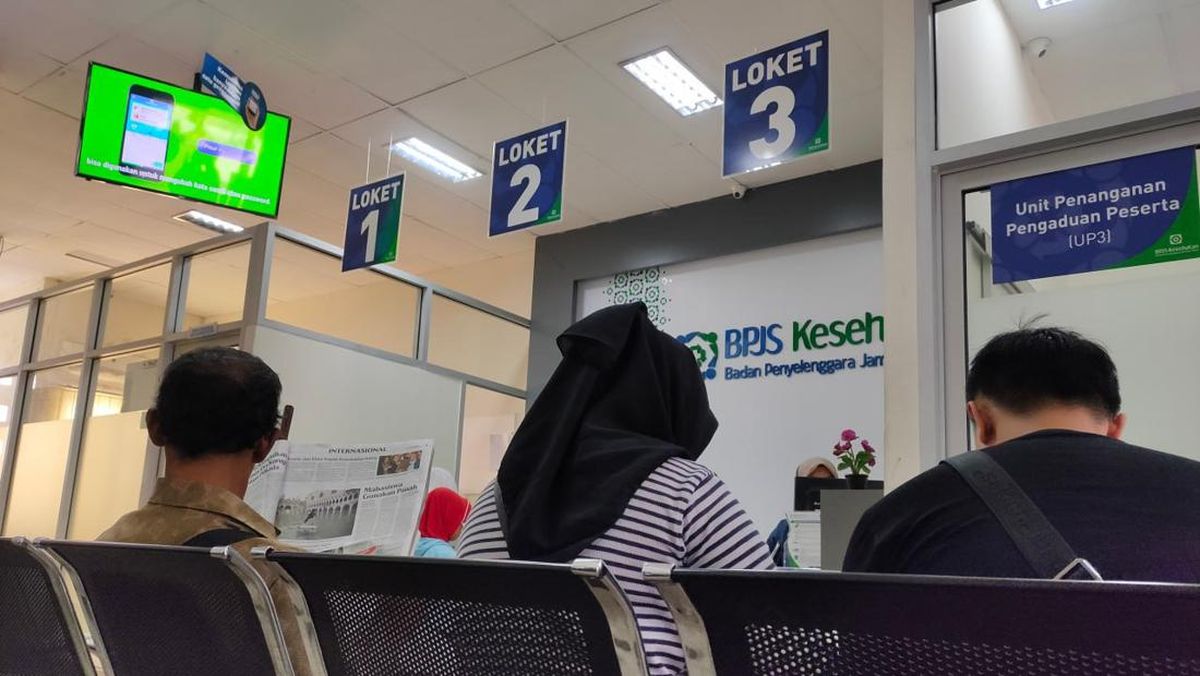
The timeline of this evolution shows a clear trajectory toward decentralization of information:
- 2014-2017: Emphasis on physical cards and in-person verification at branch offices.
- 2017-2020: Introduction of the Mobile JKN app and initial integration with Dukcapil.
- 2021-Present: Launch of PandaWA and the consolidation of the 165 Care Center to handle the surge in digital inquiries during and after the COVID-19 pandemic.
Supporting Data and Socio-Economic Implications
Recent data from BPJS Kesehatan indicates that digital interactions now account for over 60% of all administrative inquiries. This shift has significantly reduced the operational burden on physical branch offices, allowing staff to focus on complex cases and dispute resolutions. Furthermore, the accuracy of the "NIK-as-BPJS-ID" system has reduced instances of identity fraud and double-registration, which previously drained the national health fund.
From an economic perspective, the ability to check status via mobile phone saves participants an estimated average of 3 to 5 hours of productive time that would otherwise be spent traveling to and waiting at branch offices. For those in rural areas, where the nearest BPJS office might be hours away, these digital tools are not just a convenience—they are a necessity for financial and health planning.
Official Responses and Future Outlook
Official statements from BPJS Kesehatan leadership emphasize that the goal of these digital tools is "meaningful access." Ali Ghufron Mukti, the President Director of BPJS Kesehatan, has frequently noted in public forums that the organization’s priority is to eliminate "administrative pain" for participants. The focus is shifting toward "Health Tech" integration, where the active status check is just the first step in a seamless digital journey that includes electronic medical records and telemedicine.
However, challenges remain. The "digital divide" in Indonesia—where internet penetration is high in Java but lower in remote islands—means that the 165 Care Center and traditional offices cannot be phased out entirely. Analysts suggest that the next phase of development will likely involve "offline-sync" features for the Mobile JKN app to assist users in low-connectivity zones.
Analysis of Implications for the Healthcare Ecosystem
The transparency provided by instant status checks has a ripple effect on the entire healthcare ecosystem. When patients arrive at a hospital with pre-verified active status, the admission process is accelerated. This efficiency reduces the administrative load on hospital staff and minimizes the friction between healthcare providers and the insurer.
Furthermore, these tools empower citizens to take ownership of their health insurance. By being able to see their payment history and status instantly, participants are more likely to remain compliant with premium payments, thereby contributing to the financial sustainability of the JKN program. In the broader context of Indonesia’s "Golden Indonesia 2045" vision, a digitally literate and health-insured population is considered a foundational requirement for sustainable economic growth.
In conclusion, the various mobile-based methods to check BPJS Kesehatan status represent a successful marriage of technology and public service. Whether through a sophisticated app, a simple WhatsApp message, or a traditional phone call, the Indonesian government has ensured that the status of one’s health safety net is always within reach. As the system continues to evolve, the emphasis will remain on ensuring that no citizen is left behind due to administrative or technological barriers.