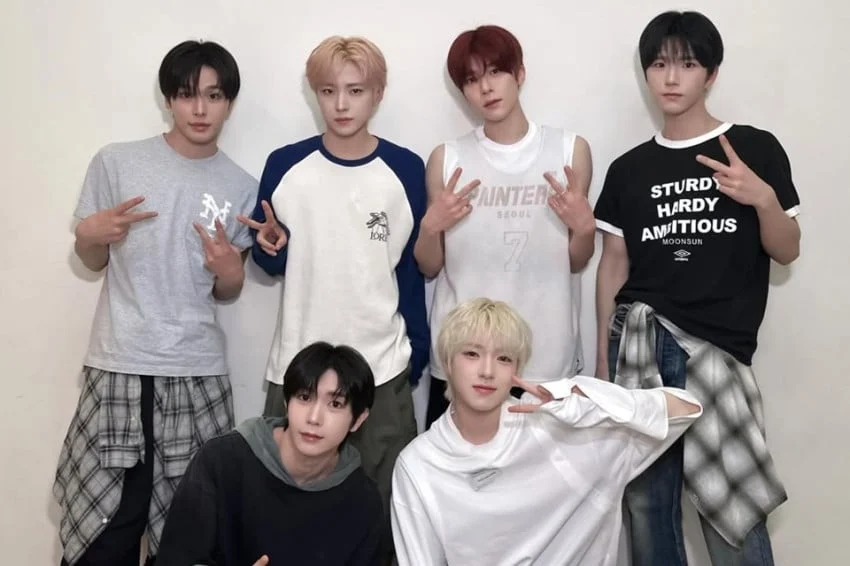
The K-pop world is abuzz with controversy as rookie group NCT Wish finds itself at the center of plagiarism allegations regarding their latest comeback concept. Fans have drawn striking parallels between NCT Wish’s newly unveiled concept and the "Odyssey" concept previously introduced by fellow South Korean group RIIZE, igniting a heated debate across social media platforms. The accusations, which emerged shortly after the release of NCT Wish’s promotional materials, point to significant similarities in visual aesthetics, color palettes, and overall conceptual approach, leading many to label the new concept as a mere "recycle" of RIIZE’s established ideas.
Genesis of the Controversy: A Visual Echo
The controversy began to gain significant traction when a number of dedicated fans, primarily from RIIZE’s fanbase, meticulously compared visual elements from NCT Wish’s comeback teasers with RIIZE’s "Odyssey" concept. These comparisons highlighted what fans perceived as an uncanny resemblance, extending beyond superficial similarities to what some described as "too identical" details. The core of the allegations centers on the artistic direction and thematic underpinnings of both concepts.
RIIZE, a group that debuted under SM Entertainment in September 2023, introduced their "Odyssey" concept as a narrative that embodies their journey, growth, and the pursuit of their dreams. This concept was visually translated through a distinct aesthetic characterized by a blend of retro-futurism, a sense of exploration, and often, a slightly melancholic yet aspirational tone. The color schemes frequently employed by RIIZE within this concept involved muted tones, atmospheric lighting, and a visual language that evoked a sense of grand adventure or a quest.
NCT Wish, a newer unit under SM Entertainment, officially debuted in February 2024 with their single "Wish." The group, comprising members Sion, Riku, Yushi, Jaehee, Ryo, and Yuta, was presented with a concept that aimed to convey a message of hope, dreams, and the pursuit of happiness, often symbolized by the "wish" itself. However, critics argue that the visual execution of this message in their comeback materials bore a striking resemblance to RIIZE’s "Odyssey" narrative.
Fans shared side-by-side comparisons on platforms like X (formerly Twitter) and online K-pop forums, showcasing imagery from both groups. These comparisons often focused on:
- Color Palettes: A shared preference for specific muted blues, greys, and warm, desaturated tones was frequently cited as evidence.
- Visual Motifs: The use of certain symbolic imagery, such as celestial elements, pathways, or abstract representations of journeys, was also brought into question.
- Overall Atmosphere and Tone: The general mood and aesthetic presented in the promotional photos and videos were described as having a similar "vibe," leading to the accusation of conceptual borrowing.
The intensity of the debate underscores the passionate engagement K-pop fans have with their favorite groups’ artistic identities. For many, a group’s concept is not merely a visual packaging but an integral part of their storytelling and brand. Therefore, any perceived lack of originality can be a significant point of contention.
Timeline of Allegations and Fan Reactions
The emergence of these plagiarism accusations followed a common pattern within the K-pop fandom. While RIIZE’s "Odyssey" concept has been an ongoing theme since their pre-debut activities and initial releases, the allegations against NCT Wish intensified following the rollout of their latest comeback promotional content.
- Late 2023 – Early 2024: RIIZE’s "Odyssey" concept is established and visually represented through their debut album and associated content. The narrative of their journey and aspirations is a central theme.
- February 2024: NCT Wish makes their official debut, introducing their unique identity and initial concept.
- Following their debut: As NCT Wish began to release more content related to their subsequent comebacks or ongoing promotional activities, fans started to draw comparisons.
- Recent Weeks: The alleged similarities become a dominant topic of discussion. Screenshots, video edits, and detailed analyses are shared across social media, fueling the plagiarism claims.
The reaction from RIIZE’s fanbase, often referred to as "BRIIZE," has been one of concern and disappointment. For many, the "Odyssey" concept holds significant meaning, representing RIIZE’s artistic journey and their unique narrative. The idea of it being replicated by another group, especially one from the same agency, has been met with strong disapproval. Many voiced their opinions stating that the "Odyssey" concept was "something special" to RIIZE and its perceived replication diminishes its originality and impact.
Conversely, some NCT Wish fans have defended their group, arguing that the similarities are coincidental or that creative concepts within the music industry often share common inspirations. They might point out that certain visual trends are prevalent in K-pop and that the core message of both groups, while perhaps visually aligned, is distinct. However, the sheer volume of comparative evidence presented by critics has made it challenging for this defense to gain widespread traction.
Supporting Data and Industry Context
The K-pop industry is characterized by intense competition and a constant drive for innovative concepts. While originality is highly valued, there are also recurring trends and aesthetic influences that permeate the industry. Concepts involving celestial bodies, journeys, dreams, and youthful exuberance are not uncommon. This creates a fine line between inspiration and imitation.
Relevant Industry Data:
- Debut Success: Both RIIZE and NCT Wish are under the umbrella of SM Entertainment, a major K-pop agency. SM Entertainment has a history of cultivating distinct group concepts and visual identities. RIIZE, despite being a new group, achieved significant commercial success and critical acclaim following their debut, highlighting the appeal of their "Odyssey" narrative and aesthetic. NCT Wish, as a newer unit, is also aiming to establish its own unique presence in a crowded market.
- Fan Engagement: K-pop fandoms are highly organized and possess a keen eye for detail. Fan-led analysis, often referred to as "fan detective work," plays a crucial role in shaping narratives around groups and their concepts. The extensive documentation of perceived similarities by fans provides a substantial body of evidence for the current debate.
- Concept Evolution: Groups often evolve their concepts over time. However, accusations of plagiarism typically arise when a new concept closely mirrors an existing one, especially within a relatively short timeframe.
The debate also touches upon the broader discussion of artistic integrity and the challenges faced by emerging artists in carving out a unique identity. In an industry where visual presentation is paramount, conceptual originality can be a key differentiator.
Potential Implications and Industry Responses
The plagiarism accusations, if substantiated or widely believed, could have several implications for NCT Wish and SM Entertainment:
- Reputational Damage: Persistent accusations of plagiarism can tarnish a group’s image and lead to a loss of credibility among a segment of the audience. This can impact future fan engagement and commercial opportunities.
- Fan Alienation: Both existing fans of NCT Wish and potential new fans who value originality might feel alienated if the group is perceived as unoriginal.
- Internal Review: SM Entertainment, as the agency responsible for both groups, may face pressure to address these concerns internally. This could involve reviewing their creative processes and ensuring clearer distinctions between the concepts of their various units.
As of the time of reporting, there has been no official statement from SM Entertainment or from the management teams of RIIZE or NCT Wish directly addressing the plagiarism allegations. In such situations, agencies often opt for a period of observation, allowing the fan discourse to unfold. If the accusations gain significant momentum and are perceived as credible by a wider audience, a formal response might become necessary.
Such responses could range from a brief acknowledgment of the fan discussions to a more detailed explanation of their creative intentions and inspiration. The agency might also choose to subtly adjust NCT Wish’s future visual direction to further differentiate it from RIIZE’s concept.
Analysis of the "Odyssey" vs. "Wish" Conceptual Overlap
While the term "plagiarism" implies direct copying of specific works, in the context of artistic concepts, it often refers to a significant and unacknowledged borrowing of ideas, themes, and stylistic elements. The current allegations against NCT Wish appear to fall into this latter category.
The core of the argument is that the "vibe" and thematic representation of NCT Wish’s comeback materials are too close to RIIZE’s "Odyssey." This "vibe" is a complex interplay of visual cues, narrative undertones, and emotional resonance. When multiple such cues align across two distinct artistic outputs, the perception of imitation becomes strong.
For instance, if both groups are portraying a journey of self-discovery, and they employ similar visual metaphors (e.g., a winding road, a starry sky, a lone figure looking towards a distant horizon) and a comparable color palette (e.g., dusky blues, soft oranges, muted greys), fans are likely to see a connection. The "Odyssey" concept for RIIZE was specifically designed to convey their narrative of exploration and growth. If NCT Wish’s concept, even with a different lyrical message, utilizes a visually similar framework, it raises questions about the deliberateness of this artistic choice.
The fact that both groups are under the same management (SM Entertainment) adds another layer to the discussion. It raises questions about internal creative direction and whether there was sufficient oversight to ensure distinct conceptual identities for their newer units.
The long-term impact of this controversy will depend on several factors: the official response from SM Entertainment, the continued output from NCT Wish, and the sustained engagement of the fandoms. However, the current situation highlights the increasing scrutiny and analytical power of K-pop fans, who are not only consumers but also active interpreters and critics of the content they engage with. The debate over NCT Wish’s concept serves as a reminder of the delicate balance between artistic inspiration, industry trends, and the imperative for unique artistic expression in the highly competitive K-pop landscape.