The Indonesian automotive landscape witnessed a significant shift on Monday, September 14, 2026, as Indomobil Group officially announced the entry of Hongqi, China’s most iconic and historically significant automotive brand, into the national market. This strategic move marks a major milestone for the automotive conglomerate, signaling an aggressive expansion into the premium and luxury vehicle segments. By bringing in a brand that carries the weight of Chinese national history, Indomobil aims to challenge the established dominance of European, Japanese, and South Korean luxury marques that have long held sway over the Indonesian elite.
A Legacy of Prestige and Statecraft
Hongqi, which translates to "Red Flag" in Mandarin, is far more than just a car manufacturer; it is an institution. Established in 1958, the brand has served as the official transport for state dignitaries, heads of state, and top-ranking government officials in China for decades. The brand’s lineage is intrinsically linked to the development of the modern Chinese state, effectively acting as the "Rolls-Royce of the East."
For years, Hongqi vehicles were produced exclusively for the upper echelons of government, rarely seen by the general public. However, the last decade has seen a radical transformation. The brand transitioned from a symbol of exclusive bureaucracy to a global competitor in the luxury sector. This evolution has been characterized by a heavy investment in research and development, aiming to marry the brand’s storied heritage with the high-tech requirements of the contemporary automotive market.
The Spearhead: Hongqi E-HS9
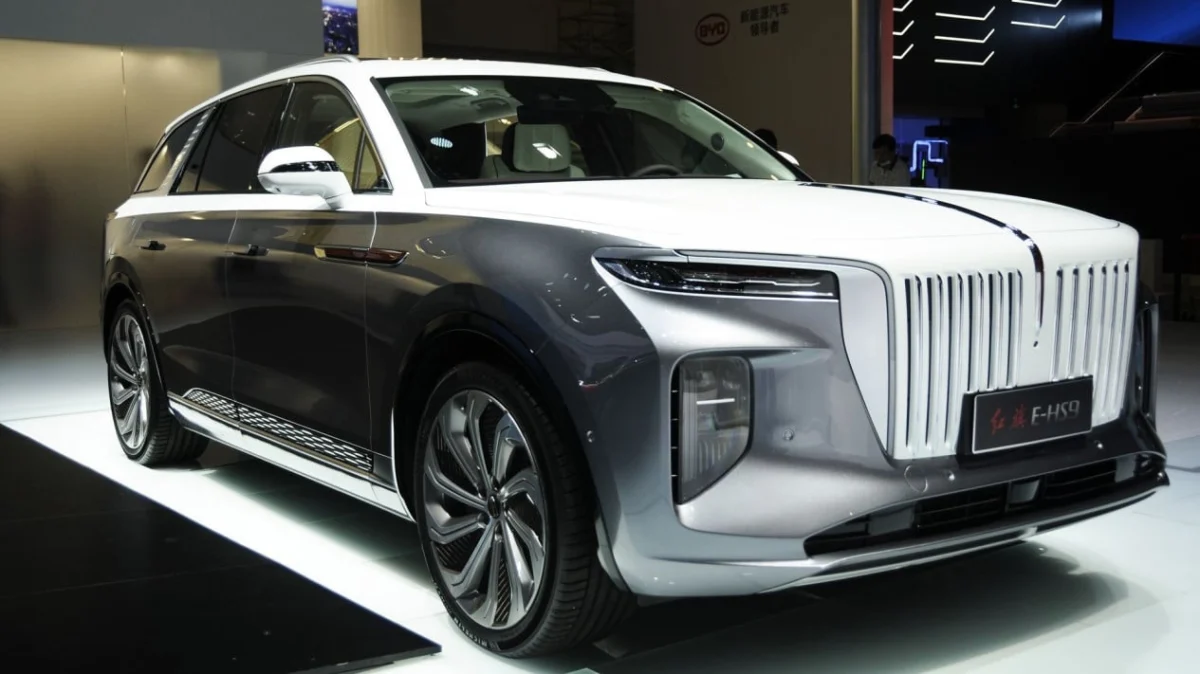
To introduce the brand to the Indonesian public, Indomobil has selected the Hongqi E-HS9 as its flagship offering. The E-HS9 is a full-size, battery-electric SUV that leaves an immediate visual impression. Measuring over 5.2 meters in length, the vehicle offers a commanding presence on the road, reinforced by a design language that incorporates both traditional Chinese aesthetic elements—such as the waterfall-style front grille—and modern, minimalist luxury cues.
The vehicle features a 2+2+2 seating configuration, prioritizing comfort and executive-level utility for its passengers. In the Indonesian market, where large SUVs are consistently preferred by affluent families and high-net-worth individuals, the E-HS9 is positioned to compete directly with premium electric SUVs from established brands like BMW, Mercedes-Benz, and Audi. The inclusion of high-end infotainment systems, premium materials such as Nappa leather and real wood veneers, and advanced driver-assistance systems (ADAS) positions the E-HS9 as a genuine challenger in the luxury EV space.
Strategic Vision: Neo-Chinese Luxury
During the announcement, Director of Indomobil Group Andrew Nasuri emphasized that the brand’s entry is not merely about importing vehicles but about curating an experience. "The journey of Hongqi since its inception has been deeply intertwined with the pivotal moments of leadership in China. However, for us, the value lies not just in the historical prestige, but in how these core values remain relevant to the discerning consumer of today," Nasuri stated.

The brand’s philosophy, coined as "Neo-Chinese Luxury," serves as the cornerstone of its market strategy. This concept is designed to transcend the stereotype of "Made in China" products by focusing on cultural identity and sophisticated craftsmanship. By blending traditional design motifs—which honor the heritage of the East—with cutting-edge electrification and software-defined vehicle architecture, Hongqi is attempting to create a unique niche that differentiates itself from the standardized luxury offerings currently available in Indonesia.
Building a Physical Presence: The Hongqi House
Indomobil’s strategy for Hongqi goes beyond the digital brochure or a temporary exhibition booth. A critical component of the rollout is the establishment of "Hongqi House," a dedicated flagship facility. In the luxury automotive world, the showroom is often the most important touchpoint for a client.
These facilities are designed to serve as lifestyle hubs rather than traditional dealerships. By offering a concierge-style service, test drives, and personalized configuration consultations, Indomobil is mirroring the high-touch retail models utilized by the world’s most successful luxury brands. This investment in physical infrastructure demonstrates a long-term commitment to the market and acknowledges that, in the premium segment, the purchase experience is just as significant as the vehicle’s technical specifications.
The Competitive Landscape and Market Implications
The arrival of Hongqi comes at a time when the Indonesian automotive market is undergoing a rapid transition toward electrification. While the EV market in Indonesia has been dominated by mass-market options from various Chinese manufacturers, the entry of a brand specifically targeting the "ultra-premium" segment is a new development.
Historically, the Indonesian luxury segment has been fiercely contested by the "Big Three" German manufacturers—Mercedes-Benz, BMW, and Audi—alongside Japanese stalwarts like Lexus. The introduction of Hongqi adds a new variable to this competitive matrix.
Data from recent industry reports suggest that Chinese automotive brands have seen a sharp increase in market share, moving from 1.2% in 2021 to nearly 8% in early 2026. While much of this growth was driven by affordable city cars and small SUVs, the move into the premium segment signifies a shift in consumer perception. Modern Indonesian buyers are increasingly tech-savvy and less beholden to legacy branding, provided the vehicle offers superior technology and value.
However, challenges remain. The premium segment is characterized by high expectations regarding resale value, long-term reliability, and the availability of premium after-sales support. For Indomobil, the primary hurdle will be convincing the traditional luxury demographic—who often prioritize long-term brand equity—to switch from established European marques to a nascent, albeit prestigious, Chinese brand.

Economic and Industrial Context
The partnership between Indomobil and Hongqi is reflective of the broader economic integration between Indonesia and China. As Indonesia seeks to position itself as a hub for electric vehicle production and battery manufacturing in Southeast Asia, the introduction of premium Chinese EVs signals a growing confidence in the quality and capability of the Chinese automotive supply chain.
Moreover, the Indonesian government’s fiscal incentives for electric vehicles, including tax exemptions and infrastructure development, have created a fertile ground for brands like Hongqi. By leveraging Indomobil’s extensive dealership network and deep understanding of the local market, Hongqi is well-positioned to navigate the regulatory and logistical challenges that often plague new entrants.
A Look Ahead
The next 12 to 24 months will be a defining period for the Hongqi brand in Indonesia. Success will be measured not just by initial sales volume, but by the brand’s ability to build a community of loyal customers and maintain a service standard that matches the price point of its vehicles.
If Hongqi successfully captures a significant portion of the premium market, it could catalyze a broader shift in the automotive industry, potentially prompting other global luxury brands to rethink their strategies in Indonesia. The brand is essentially testing the ceiling of the market’s acceptance of Chinese-made luxury.
As the automotive sector continues to pivot toward sustainable energy, the "Neo-Chinese Luxury" approach may prove to be a compelling alternative for those looking for something distinct. For now, the automotive community and market analysts alike are watching closely, waiting to see if Hongqi can translate its centuries-old reputation for dignity and power into the modern, fast-paced Indonesian road.
With the official launch now in the rear-view mirror, the focus shifts to the upcoming roadshows and the opening of the first Hongqi House. These events will provide the public with the first real opportunity to touch, feel, and drive the future of luxury as defined by one of China’s most storied manufacturers. As the industry evolves, one thing is clear: the premium market in Indonesia has become a lot more interesting.