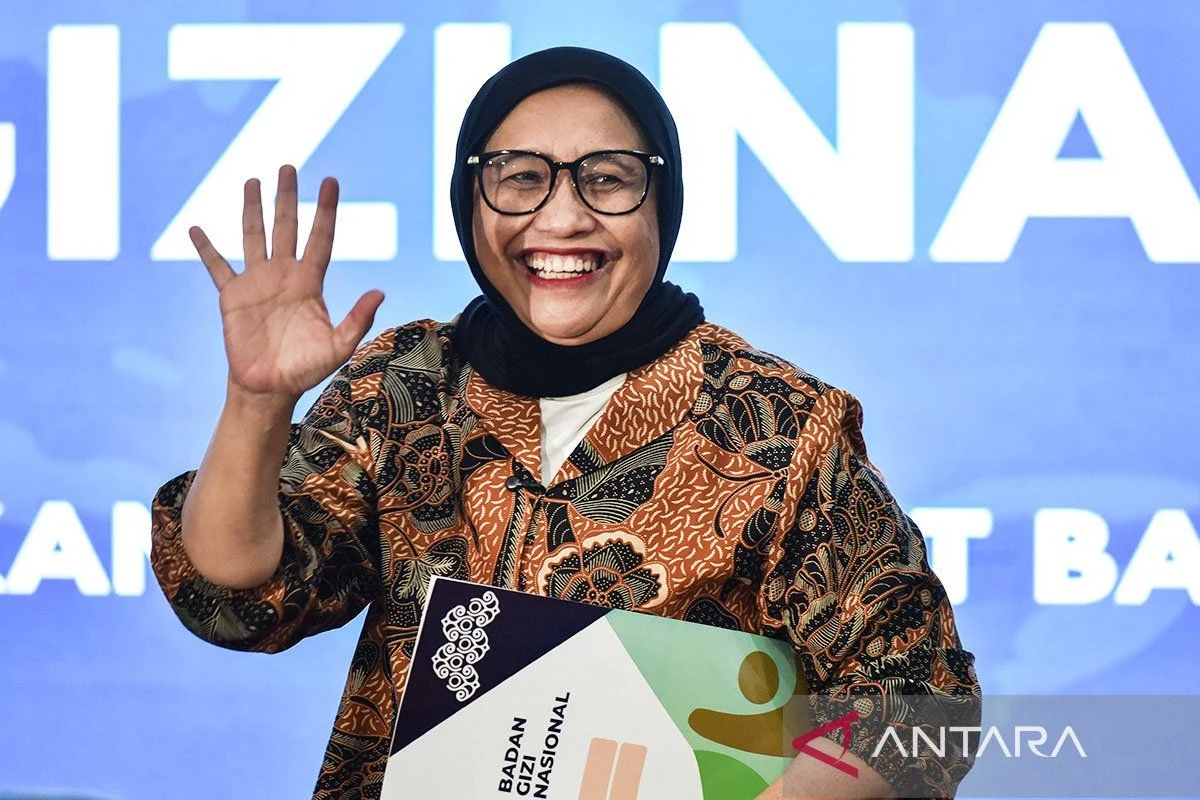
Jakarta – Nanik Sudaryati Deyang has tendered her resignation as the Head of the National Nutrition Agency (BGN), a pivotal body overseeing Indonesia’s crucial nutritional programs, including the ambitious Free Nutritious Meal Program (MBG). The announcement, confirmed by the Presidential Palace, cited pressing health reasons, specifically the need for extensive cardiac treatment abroad. President Prabowo Subianto reportedly accepted her decision with understanding and concern for her well-being, while emphasizing the government’s unwavering commitment to the BGN’s mandate and the continuity of its vital initiatives.
A Sudden Departure for Health Reasons
The news of Nanik Sudaryati Deyang’s resignation emerged on Wednesday, confirmed by Dirgayuza Setiawan, Special Assistant to the President for Communication and Policy. Setiawan clarified that Deyang had personally conveyed her decision to President Prabowo, explaining her urgent need to undergo specialized heart treatment. "Today, Ibu Nanik Deyang bid farewell to President Prabowo to undergo heart treatment and simultaneously resigned as the Head of the National Nutrition Agency," Setiawan stated, underscoring the personal nature of her departure.
In a personal statement, Deyang elaborated on her situation, indicating that her treatment would necessitate travel abroad. This decision, she explained, was made after careful consideration of her health needs, including the pursuit of additional medical opinions to ensure optimal care. She expressed profound apologies to President Prabowo for having to step down from her demanding role, emphasizing that her health condition had become the paramount factor. President Prabowo, recognizing the seriousness of her situation, reportedly expressed sympathy and granted his approval for her resignation. Deyang firmly asserted that her departure was solely due to health considerations, dispelling any potential speculation about other underlying reasons. This clarification highlights the transparency surrounding her decision and the mutual understanding between her and the President.
The Mandate of the National Nutrition Agency (BGN)
The National Nutrition Agency (BGN) holds a strategic position within the Indonesian government’s efforts to improve public health and welfare. Established with the core mandate of formulating and implementing policies related to community nutrition, the BGN is tasked with addressing critical issues such as stunting, malnutrition, and food insecurity across the archipelago. Its responsibilities encompass a broad spectrum of activities, from conducting comprehensive nutritional assessments and developing dietary guidelines to coordinating the delivery of nutritional interventions and monitoring their effectiveness.
Under the administration of President Prabowo Subianto, the BGN’s role has gained heightened prominence, particularly with the introduction of the Free Nutritious Meal Program (MBG). This program is a cornerstone of President Prabowo’s vision for a healthier, more productive Indonesia, aiming to lay a strong foundation for future generations by ensuring access to adequate nutrition from an early age. The BGN serves as the primary implementing body for such large-scale initiatives, requiring robust leadership and meticulous oversight to navigate the complexities of nationwide program delivery. Its effectiveness directly impacts the well-being of millions of Indonesians, making the leadership of the agency a matter of significant national importance. The agency’s work is crucial in a country where, despite significant progress, stunting rates remain a concern, affecting a substantial portion of children under five and impacting their long-term cognitive and physical development.
President Prabowo’s Flagship Free Nutritious Meal Program (MBG)
The Free Nutritious Meal Program (MBG) stands as one of President Prabowo Subianto’s signature policy initiatives, designed to combat stunting and improve the nutritional status of children and pregnant women across Indonesia. The program is rooted in the understanding that proper nutrition during the critical first 1,000 days of life, from conception to two years of age, is fundamental for cognitive development, physical growth, and overall health. Beyond this crucial window, the program also aims to support school-aged children, ensuring they receive the necessary sustenance for effective learning and healthy development.
The scale of the MBG is ambitious, targeting millions of beneficiaries nationwide. Its implementation involves a vast network of community kitchens, food distribution points, and logistical arrangements designed to deliver balanced and nutritious meals daily. The program seeks not only to provide food but also to educate communities on healthy eating practices and the importance of diverse diets. President Prabowo has consistently highlighted the MBG as a direct investment in Indonesia’s human capital, believing that a healthy and well-nourished population is essential for national productivity, economic growth, and future prosperity. The program’s success is therefore closely tied to the BGN’s capacity for effective coordination, stringent quality control, and widespread outreach, making the agency’s leadership and stability paramount to its national impact. The program has been a central theme in the President’s public discourse, signaling its high priority status within his administration’s policy agenda.
A Brief but Impactful Tenure
Despite her relatively short tenure of approximately one and a half months as the Head of the National Nutrition Agency, Nanik Sudaryati Deyang demonstrated a proactive and decisive approach to her responsibilities. Upon assuming leadership, she immediately embarked on a comprehensive evaluation of the Free Nutritious Meal Program (MBG) and the internal operations of the BGN. Her focus was clearly on ensuring the efficiency, quality, and integrity of the program’s implementation.
Among her notable actions, Deyang initiated a thorough review of nearly 28,000 Satuan Pelayanan Pemenuhan Gizi (SPPG) or Service Units for Nutrition Fulfillment. These units, often community kitchens or distribution centers, are the frontline hubs for delivering nutritious meals. Her evaluation involved grouping thousands of these kitchens based on quality standards, a critical step in identifying best practices and areas needing improvement. Furthermore, she took decisive action to halt the expansion of kitchens in certain regions where operational readiness or quality control was deemed insufficient. This measure underscored her commitment to controlled, quality-driven growth rather than rapid, unchecked expansion. Deyang’s tenure also led to the identification of hundreds of SPPGs that were found to be problematic, indicating potential issues in their operational standards, food quality, or adherence to program guidelines. Her swift and systematic efforts in such a short period reflect a dedicated attempt to establish robust oversight and accountability mechanisms within the BGN, setting a strong precedent for future program management.
Ensuring Program Integrity and Quality
Nanik Sudaryati Deyang’s concentrated efforts during her brief leadership of the BGN were unequivocally aimed at bolstering the integrity and quality of the Free Nutritious Meal Program (MBG). Her meticulous evaluation of thousands of Service Units for Nutrition Fulfillment (SPPGs) was not merely an administrative exercise but a strategic move to ensure that the foundational principles of the MBG—providing genuinely nutritious and safe meals—were upheld across the nation. By categorizing kitchens based on their adherence to quality standards, she laid the groundwork for a tiered system of oversight, allowing for targeted interventions and support where needed.
The decision to temporarily halt the expansion of kitchens in certain areas, coupled with the identification of problematic SPPGs, demonstrated a commitment to quality over quantity. This approach is vital for a program of the MBG’s scale, where widespread implementation could inadvertently lead to diluted standards if not rigorously managed. Deyang’s actions signaled a clear message: that the BGN would prioritize the nutritional impact and safety of the meals delivered, rather than solely focusing on the speed of rollout. Such measures are crucial for maintaining public trust and ensuring that significant government resources allocated to the MBG are utilized effectively to achieve tangible improvements in public health. Her emphasis on accountability and quality control, even in a transitional phase, has established important benchmarks for the program’s long-term success and sustainability.
Continuity and Future Oversight
Despite stepping down from her executive role, Nanik Sudaryati Deyang has expressed her strong desire to remain actively involved in the oversight of the National Nutrition Agency (BGN) and its critical programs. This commitment underscores her dedication to the agency’s mission and her belief in the importance of the Free Nutritious Meal Program (MBG). She indicated that there is a possibility for the establishment of a BGN Supervisory Board, a body that would provide independent oversight and strategic guidance to the agency. Deyang has been asked, and is willing, to play a role within such a supervisory structure.
This proposed arrangement offers a unique pathway for continuity, allowing the BGN to benefit from her experience and insights without the demands of daily executive management, which her health condition now precludes. Her potential involvement in a supervisory capacity would ensure that her initial efforts to enhance program quality and accountability are sustained, providing a bridge during the transition to new leadership. Such a role would enable her to continue advocating for the rigorous standards she initiated, fostering transparency and effectiveness in the BGN’s operations. This model of continued engagement, even post-resignation, reflects a strong sense of public service and a desire to see the crucial national nutrition agenda successfully implemented for the benefit of all Indonesians. It also demonstrates President Prabowo’s strategic approach to retaining valuable expertise within the government’s orbit.
The Search for a Successor and Program Stability
Nanik Sudaryati Deyang’s resignation immediately triggers the search for a new Head of the National Nutrition Agency, a position of considerable importance given the BGN’s central role in implementing President Prabowo’s flagship nutrition policies. The need for a successor who can seamlessly continue the momentum established, particularly in the rigorous evaluation and quality control of the Free Nutritious Meal Program (MBG), is paramount. Speculation regarding potential candidates has already begun, with reports indicating that Sudaryono, currently serving as Deputy Minister of Agriculture, is being considered. Sudaryono’s profile, including his experience in a related sector and his political background, suggests a candidate who could bring both administrative acumen and a deep understanding of agricultural supply chains, which are intrinsically linked to food security and nutrition.
The government’s immediate priority will be to ensure stability and continuity within the BGN. A swift and well-considered appointment will be crucial to avoid any disruption to the ongoing rollout and enhancement of the MBG, a program that requires consistent leadership and strategic direction. The new leader will be tasked with building upon the foundations laid by Deyang, particularly her emphasis on quality and accountability, while also navigating the complexities of nationwide program delivery. The transition must be managed carefully to maintain the trust of stakeholders and beneficiaries, ensuring that the critical work of improving national nutrition remains on track and continues to be a central pillar of the administration’s agenda. The chosen successor will face the challenge of not only managing the vast operations of the BGN but also upholding the high standards of integrity and efficiency that are essential for the success of such a high-profile national program.
Broader Implications for National Nutrition Strategy
The departure of the Head of the National Nutrition Agency, even for health reasons, carries broader implications for Indonesia’s national nutrition strategy. The BGN is at the forefront of tackling persistent challenges such as stunting, which affects a significant percentage of Indonesian children and poses a long-term threat to human capital development. The agency’s strategic planning and coordinated implementation across various ministries and local governments are vital for achieving the ambitious targets set by the government to reduce stunting rates and improve overall nutritional status.
While the Free Nutritious Meal Program (MBG) is a prominent initiative, the BGN’s mandate extends beyond it, encompassing dietary guidelines, food fortification, public awareness campaigns, and research. A change in leadership, while potentially bringing fresh perspectives, also necessitates a period of adaptation. The continuity of robust policy formulation and the consistent execution of diverse nutrition programs will be crucial to maintaining momentum. The new leadership will need to quickly grasp the intricacies of these multifaceted initiatives, ensuring that Indonesia’s comprehensive approach to nutrition remains agile and responsive to evolving public health needs. The President’s unwavering commitment to the nutrition agenda, however, provides a strong foundation, signaling that despite personnel changes, the strategic direction and national priority given to nutrition will remain steadfast. This unwavering focus is essential for sustained progress in improving the health and well-being of the Indonesian population.
Official Responses and Presidential Support
The official response from the Presidential Palace to Nanik Sudaryati Deyang’s resignation was characterized by understanding, empathy, and a clear reaffirmation of support for her personal well-being. Dirgayuza Setiawan’s confirmation of the resignation highlighted President Prabowo Subianto’s direct involvement in accepting her decision. Setiawan’s statement, confirming that Deyang "bid farewell to President Prabowo to undergo heart treatment," underscored the President’s awareness of her health predicament.
Deyang herself recounted the President’s compassionate response, stating that "President was concerned and sympathetic towards me, the President approved," regarding her request to step down. This reflects a leadership style that balances the demands of public service with a genuine concern for the health and welfare of officials. While a significant position, the President’s willingness to prioritize an individual’s health over immediate administrative continuity sends a powerful message about the value placed on human well-being within the government. Furthermore, the request for Deyang to potentially remain involved in a supervisory capacity signals a desire to retain her valuable expertise while accommodating her health needs, demonstrating a pragmatic and supportive approach from the highest levels of government. This official stance aims to ensure a smooth transition and maintain confidence in the government’s commitment to its critical nutrition agenda.
In conclusion, Nanik Sudaryati Deyang’s resignation as the Head of the National Nutrition Agency marks a significant, albeit health-driven, transition for a pivotal government body. Her brief but impactful tenure saw crucial initial steps taken to streamline and quality-assure the ambitious Free Nutritious Meal Program. While her departure creates a leadership vacancy, President Prabowo Subianto’s empathetic acceptance of her decision, coupled with his administration’s strong commitment to the BGN’s mandate and the MBG, underscores the unwavering national priority given to nutrition. The anticipated appointment of a new leader, potentially Sudaryono, will be critical in ensuring seamless continuity and sustained momentum for Indonesia’s vital journey towards a healthier, better-nourished population. Deyang’s willingness to potentially contribute through a supervisory role further highlights the collective dedication to achieving these crucial national goals.