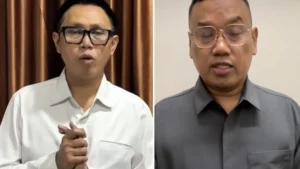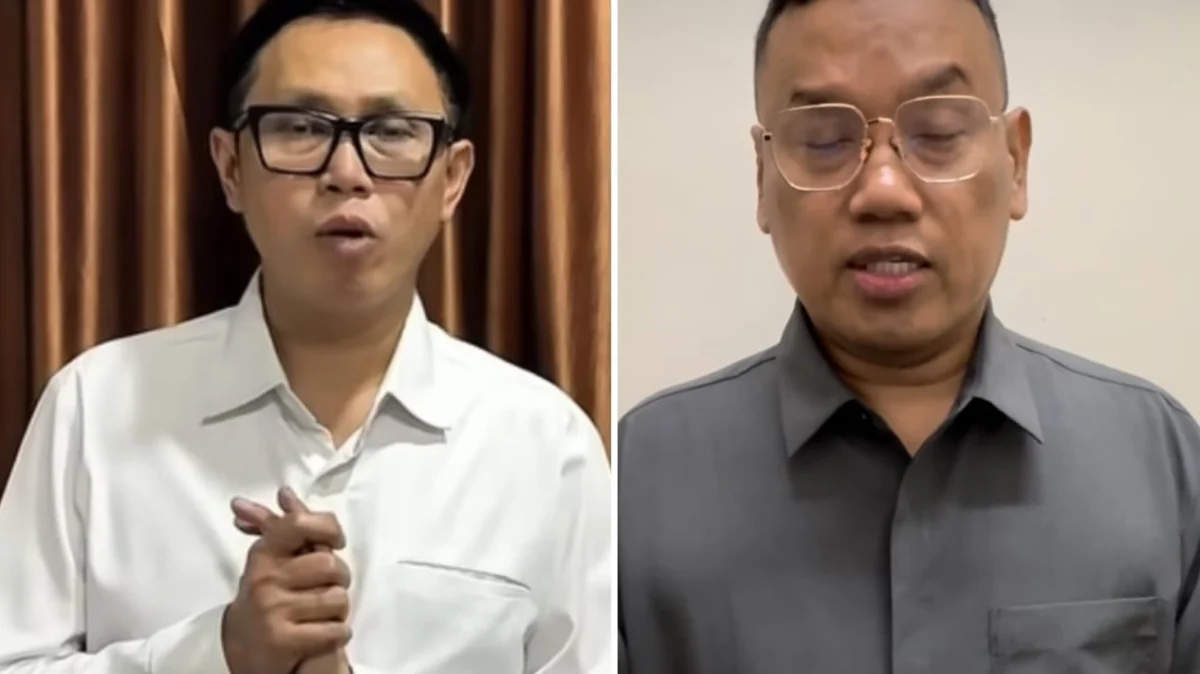
Jakarta, VIVA – In a significant development within Indonesia’s political landscape, the status of Eko Hendro Purnomo, widely known as Eko Patrio, and Surya Utama, or Uya Kuya, as non-active members of the House of Representatives (DPR RI) continues to draw attention. Both figures, who transitioned from prominent careers in the entertainment industry to national politics under the banner of the National Mandate Party (PAN), have maintained a relatively low profile since their non-activation. The party has now provided an update, confirming their current status and signaling that any future decisions rest with the highest echelons of PAN leadership.
On Wednesday, October 22, 2025, Wakil Ketua Umum (Deputy Chairman) of PAN, Eddy Soeparno, confirmed that Eko Patrio and Uya Kuya remain in a non-active state as DPR RI members. Speaking to reporters, Soeparno stated, "As of now, the DPP PAN (Central Executive Board of PAN) still maintains their status as non-active members of our party." This statement underscores the provisional nature of their current position, indicating that a definitive resolution regarding their parliamentary roles is yet to be reached. Soeparno further elaborated that the progression of their situation is contingent upon directives from the party’s Ketua Umum (Chairman), Zulkifli Hasan, and subsequent communication with the PAN faction leadership within the DPR. This centralized decision-making process highlights the party’s hierarchical structure and the Chairman’s ultimate authority in matters of party discipline and member status.
Chronology of Events Leading to Non-Activation
The decision to non-activate Eko Patrio and Uya Kuya was initially announced several weeks prior to Soeparno’s latest confirmation. The official declaration by PAN’s Central Executive Board (DPP PAN) was conveyed through a press release received by tvOnenews.com on Sunday, August 31, 2025. This critical document was formally signed by Ketua Umum PAN, Zulkifli Hasan, and Wakil Ketua Umum PAN, Viva Yoga Mauladi, lending significant weight and official endorsement to the party’s stance.
According to the press release, Eko Patrio and Uya Kuya were officially rendered non-active as members of the DPR RI from the PAN faction, effective Monday, September 1, 2025. The statement explicitly cited the party’s rationale: "Observing current dynamics and developments, the DPP PAN has decided to non-activate our brothers Eko Hendro Purnomo and Surya Utama as members of the DPR RI from the PAN Faction of the DPR RI, effective Monday, September 1, 2025." This phrasing, "observing current dynamics and developments," while somewhat ambiguous, typically signifies internal party considerations, broader political strategies, or responses to public sentiment that the party deems necessary to address. The press release also notably urged the public to remain calm and patient, and to place trust in the administration of President Prabowo Subianto, affirming PAN’s commitment to siding with the people alongside the government. This latter point suggests the non-activation might be linked to the party’s efforts to align with the new government’s agenda and maintain political stability and public confidence during a period of transition.
The Phenomenon of Celebrity Politicians in Indonesia
Eko Patrio and Uya Kuya represent a prominent trend in Indonesian politics: the successful transition of entertainment figures into elected office. Eko Patrio, a veteran comedian, television personality, and film producer, first entered the DPR RI in 2009, demonstrating a sustained political career. His popularity and public recognition undoubtedly contributed to his electoral success. Uya Kuya, a renowned magician, hypnotist, and television host, similarly leveraged his public persona to secure a seat in the legislature.
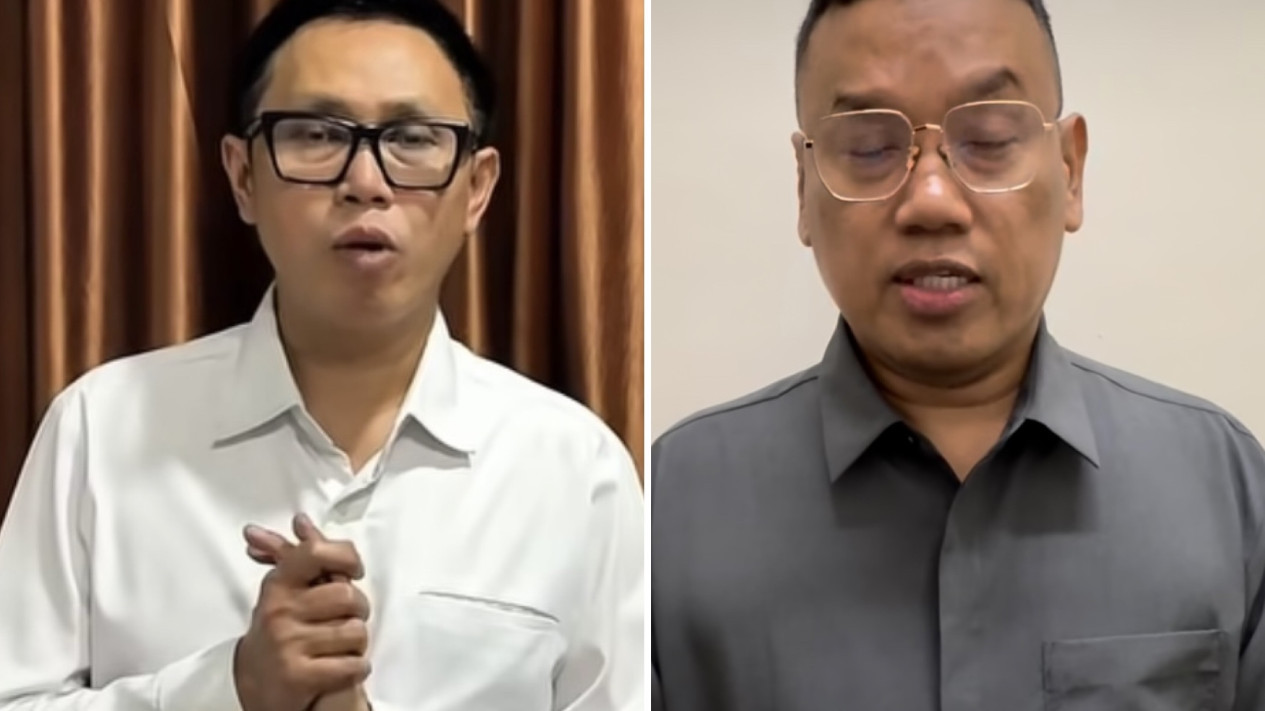
The phenomenon of celebrity politicians in Indonesia is well-documented. Their pre-existing fame provides an immediate advantage in terms of name recognition and public trust, often translating into significant voter appeal. Parties frequently recruit celebrities to bolster their electoral chances, particularly in competitive constituencies. However, this trend also invites scrutiny regarding the depth of their political experience, their understanding of legislative processes, and their ability to represent constituents effectively beyond their popular image. While many celebrity politicians have proven capable, instances of non-activation or recall can prompt discussions about party discipline and the expectations placed upon public figures once they enter the political arena.
PAN’s Role in the Political Landscape and Party Discipline
Partai Amanat Nasional (PAN) is a moderate nationalist-religious party in Indonesia, known for its pragmatic political stances and often playing a crucial role in forming government coalitions. In the context of the 2024 general election and the subsequent formation of the new government under President Prabowo Subianto, PAN has positioned itself as a key ally. The party’s decision to non-activate two of its prominent members, especially at a time when political stability and cohesion are paramount for the incoming administration, carries significant weight.
Party discipline is a cornerstone of parliamentary systems. Political parties typically have internal mechanisms to ensure their members adhere to party lines, policies, and ethical standards. These mechanisms can range from warnings and sanctions to temporary suspensions ("non-active" status) and, in more severe cases, permanent recall (Pergantian Antar Waktu or PAW), where a member is replaced by the next candidate on the party’s electoral list. The "non-active" status, as applied to Eko Patrio and Uya Kuya, indicates a temporary suspension of their duties and privileges as DPR members, allowing the party time to evaluate the situation further without immediately resorting to a full recall. This approach can be a strategic move to manage internal issues, respond to external pressures, or realign the party’s image without causing a permanent rupture.
The decision from PAN’s DPP, signed by Chairman Zulkifli Hasan, underscores the party’s commitment to maintaining internal order and presenting a unified front. Zulkifli Hasan, a seasoned politician with extensive experience, including stints as a minister and Speaker of the People’s Consultative Assembly (MPR RI), commands significant authority within PAN. His involvement signifies that the non-activation is not a trivial matter but a decision made at the highest level of party leadership, reflecting strategic considerations for the party’s future and its role within the broader political coalition.
Potential Implications and Broader Context
The non-activation of Eko Patrio and Uya Kuya carries several implications:
-
For the Individuals: For Eko Patrio and Uya Kuya, this status undoubtedly introduces uncertainty into their political careers. While "non-active" is not equivalent to a full recall, it effectively sidelines them from their legislative duties and may impact their political standing and future prospects within PAN. Their ability to contribute to legislative processes, attend sessions, and represent their constituents is temporarily curtailed.

-
For PAN’s Internal Discipline: This move demonstrates PAN’s willingness to enforce party discipline, even on its popular members. It sends a clear message to other party members about adherence to party directives and the importance of maintaining the party’s image and strategic alignment. It reinforces the authority of the DPP and its Chairman.
-
For Celebrity Politicians: The incident serves as a reminder that celebrity status, while helpful for electoral victory, does not exempt politicians from party rules and discipline. It might prompt other celebrity politicians to be more cautious and aligned with their party’s objectives.
-
Political Realignment and Government Stability: The timing of the non-activation, post-election and as a new presidential administration is taking shape, is notable. PAN’s call for public trust in the Prabowo Subianto government and its commitment to the people suggests a broader strategy to ensure the party’s image aligns with the new government’s stability agenda. Any perceived missteps or controversial "dynamics" involving party members could potentially detract from this goal. By addressing such issues internally, PAN seeks to maintain its credibility and strong position within the ruling coalition.
-
Public Perception: The public’s reaction to such decisions can vary. Some may view it as a necessary step for party accountability and discipline, while others might perceive it as internal politicking or a curtailment of democratic representation, especially if the reasons for non-activation remain vague. The party’s emphasis on "siding with the people" and supporting the new government is an attempt to frame the decision positively for public consumption.
The Road Ahead: Awaiting Zulkifli Hasan’s Decision
As confirmed by Eddy Soeparno, the ultimate decision regarding the future of Eko Patrio and Uya Kuya rests with Chairman Zulkifli Hasan. This places significant power in the hands of the party leader to determine whether their non-active status will be lifted, extended, or converted into a permanent recall. Such a decision would involve careful consideration of internal party dynamics, the political climate, and the potential impact on PAN’s standing.
The period of non-activation allows the party to conduct further internal assessments, engage in discussions with the affected members, and gauge public and political reactions without immediately making a permanent and potentially irreversible move. It reflects a cautious approach to internal party management, balancing the need for discipline with the value of retaining popular figures. The political landscape in Indonesia is constantly evolving, and the resolution of this matter will be closely watched as an indicator of PAN’s internal strength and its strategic direction within the broader national political arena. The call for public patience and trust, reiterated by PAN, highlights the delicate balance between party discipline, public confidence, and political stability in the lead-up to the full implementation of President Prabowo Subianto’s administration.