
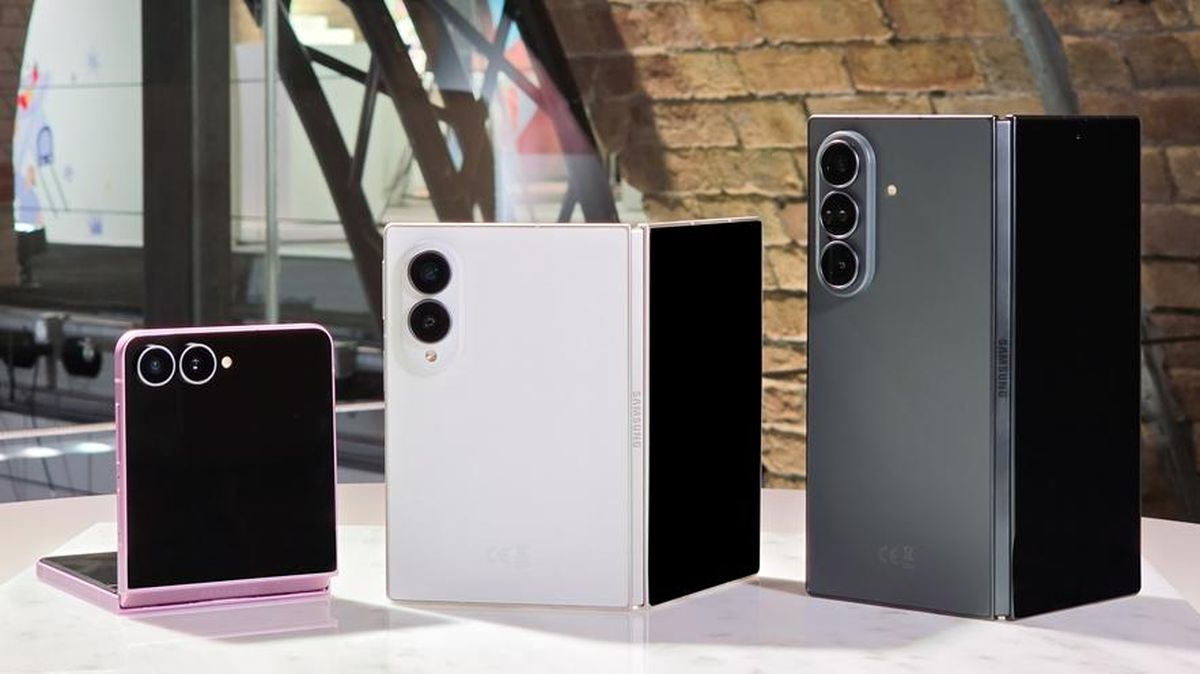
London, United Kingdom – Samsung Electronics officially launched its latest generation of foldable smartphones, the Galaxy Z Fold8, Galaxy Z Fold8 Ultra, and Galaxy Z Flip8, at a highly anticipated event in London on Wednesday, July 22. The unveiling, themed ‘A New Shape Unfolds,’ showcased Samsung’s continued commitment to pioneering the foldable market, introducing significant design innovations, enhanced durability, and deeper integration of artificial intelligence across its premium lineup. This launch marks a pivotal moment for the smartphone industry, as Samsung further refines the foldable experience and cements its leadership in this rapidly expanding segment.
The Global Unveiling and Strategic Vision
The London launch served as a strategic global platform for Samsung to underscore its vision for the future of mobile technology. The choice of London, a major tech hub, emphasized the global appeal and strategic importance of these devices. Roh Tae Moon (TM Roh), President and Head of Mobile eXperience Business at Samsung Electronics, articulated the company’s ambitious goals during the presentation. "By setting new standards for foldable devices, we are once again delivering a leap in premium mobile experience while opening a new era of smarter AI for an increasing number of users," Roh stated. This declaration highlights Samsung’s dual focus: pushing the boundaries of hardware innovation with foldables and integrating advanced AI capabilities to create more intuitive and personalized user experiences. The ‘A New Shape Unfolds’ theme resonated deeply with the design philosophy behind the new devices, particularly the radical redesign of the Galaxy Z Fold8 and the introduction of the ultra-premium Z Fold8 Ultra. This theme encapsulates not just physical form factor changes but also the unfolding possibilities in mobile computing and interaction.
Samsung’s journey in the foldable market began with the original Galaxy Fold in 2019, a pioneering but challenging debut. Since then, the company has consistently iterated and improved, addressing early concerns regarding durability and form factor, and steadily building a loyal user base for its unique devices. Each subsequent generation has brought refinements in hinge technology, display robustness, and software optimization, gradually transforming foldables from niche experimental devices into viable, premium smartphone alternatives. This latest launch is a culmination of years of research and development, aiming to solidify Samsung’s dominant position in a market that is projected to grow significantly in the coming years.
Galaxy Z Fold8: Redefining the Foldable Experience
The Galaxy Z Fold8 represents a significant departure from its predecessors in terms of industrial design, addressing consumer feedback and evolving usage patterns. Departing from the taller, narrower form factor of previous Fold models, the Z Fold8 adopts a noticeably shorter and wider profile. When unfolded, this new design yields a display ratio that approximates 4:3, transforming the device into a true mini-tablet. This deliberate shift aims to enhance the user experience across a multitude of applications. Reading e-books, browsing web pages, viewing documents, and consuming video content are now inherently more comfortable and immersive due to the optimized aspect ratio. The wider screen also facilitates more effective multitasking, allowing users to run multiple applications side-by-side with greater screen real estate for each window.
Samsung emphasizes that the Z Fold8 was "redesigned for users who desire a natural-feeling foldable device." This implies a focus on ergonomics and intuitive interaction, ensuring that the transition between the cover screen and the main display is seamless and fluid. The redesigned form factor is engineered to allow for a smoother flow from quick interactions on the cover screen—such as checking notifications or sending brief messages—to a more immersive experience for media consumption, detailed work, or gaming on the expansive main display.
While specific technical specifications were not fully detailed in the initial announcement, industry analysts anticipate the Galaxy Z Fold8 to feature top-tier components. This would include the latest generation of Qualcomm’s Snapdragon 8 series processor, ensuring unparalleled performance for demanding applications and AI tasks. The main foldable display is expected to be a Dynamic AMOLED 2X panel with adaptive refresh rates up to 120Hz, offering vibrant colors and smooth scrolling. The camera system is likely to see significant upgrades, potentially featuring a high-resolution main sensor, an ultrawide lens, and an improved telephoto lens, all benefiting from advanced computational photography driven by the new AI capabilities. Battery life is also a perennial focus for foldables, and the Z Fold8 is expected to house a larger capacity battery, optimized for power efficiency by the new chipset and software. Durability, a core concern for foldables, is also expected to be enhanced through improved hinge mechanisms and ultra-thin glass (UTG) technology.
Introducing the Galaxy Z Fold8 Ultra: Apex of Foldable Innovation
Perhaps the most groundbreaking announcement was the introduction of the Galaxy Z Fold8 Ultra, positioned as the most advanced and powerful foldable device Samsung has ever created. This model caters to users who demand the absolute pinnacle of technology, performance, and screen real estate in a foldable form factor. Unlike the Z Fold8’s new wider design, the Z Fold8 Ultra maintains the tall and slender aesthetic characteristic of previous Fold generations but pushes the boundaries with an even more expansive display. This design choice aims to provide a more traditional smartphone experience when folded, while offering an incredibly vast canvas when unfolded, ideal for power users and professionals.
A key innovation underpinning the Z Fold8 Ultra is the integration of "Flex Titanium" technology. This material science breakthrough is claimed to significantly enhance the durability of the display while simultaneously reducing the visibility of the crease, a common challenge in foldable screens. Samsung has invested heavily in developing a new approach to foldable screen structures. The challenge lies in finding materials that possess the requisite strength to withstand external pressures, the flexibility to endure repeated folding cycles, and a design that remains thin enough to maintain the device’s sleek profile. The balance among these three elements is fundamental to the evolution of foldable technology, and titanium emerges as a material capable of meeting these demanding requirements. The use of titanium, renowned for its high strength-to-weight ratio, contributes to both the structural integrity and the premium feel of the device.
Beyond its revolutionary material, the Z Fold8 Ultra is expected to boast a truly uncompromising set of specifications. This could include an even more advanced variant of the Snapdragon 8 series processor, potentially with custom optimizations, an enhanced cooling system to sustain peak performance, and a larger amount of RAM for superior multitasking. The camera system is anticipated to be Samsung’s most sophisticated yet, potentially incorporating larger sensors, advanced optical stabilization, and cutting-edge computational photography features, making it a rival to the best traditional flagships. The display, while retaining the tall aspect ratio, would likely feature higher brightness levels, improved color accuracy, and an even more robust UTG layer, all benefiting from the Flex Titanium integration. Battery capacity would also be maximized to support the larger screen and more powerful components, with advanced fast-charging capabilities.
Galaxy Z Flip8: Refined Elegance and Practicality
In contrast to the significant design overhauls seen in the Fold series, the Galaxy Z Flip8 adopts a strategy of refinement rather than radical transformation. Samsung appears to have focused on perfecting the established clamshell design that has become synonymous with the Z Flip line. This means improvements are concentrated on key areas: the external cover screen, the hinge mechanism, overall performance, and battery endurance. The Z Flip8 maintains its iconic compact clamshell design, which allows the device to fold into a remarkably small footprint, making it exceptionally easy to store in pockets or small bags. This portability remains a core appeal for the Flip series, particularly among fashion-conscious users and those seeking a less cumbersome smartphone.
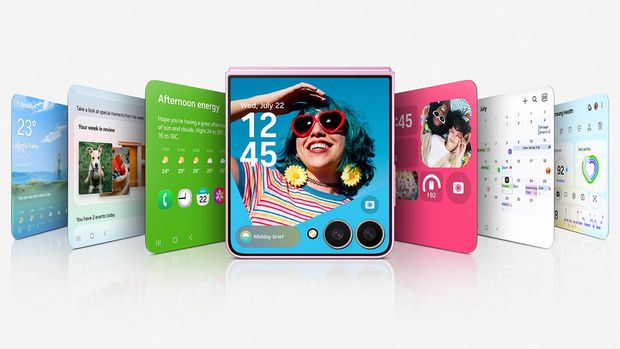
The external cover screen, which has progressively grown in utility over successive generations, is expected to receive further enhancements. This could include a larger, more interactive display, offering expanded functionality for quick glances at notifications, controlling music, making payments, and even taking selfies without unfolding the phone. The hinge mechanism, critical for both durability and the smooth folding experience, will likely feature further engineering refinements to ensure longevity and a satisfying tactile feel. Performance upgrades are standard for new generations, meaning the Z Flip8 will likely be powered by the same cutting-edge Snapdragon processor as the Z Fold8, ensuring snappy performance across all applications. Battery life, a point of continuous improvement for the Flip series, is expected to see notable gains through increased capacity and software optimizations.
The Z Flip8’s camera system is also slated for upgrades, focusing on delivering high-quality imaging in a compact form factor, catering to its target demographic’s preference for ease of use and social media readiness. The device will continue to leverage its unique form factor for creative photography, such as FlexCam, allowing users to shoot from various angles without a tripod. The emphasis on refinement suggests that Samsung is confident in the core appeal of the Flip design and is now focused on optimizing every aspect to deliver a more polished and reliable user experience, thereby broadening its appeal to a mainstream audience.
Samsung’s Vision for an AI-Powered Mobile Future
TM Roh’s statement regarding "a new era of smarter AI" is a significant indicator of Samsung’s strategic direction. This goes beyond merely integrating existing AI features and points towards a more fundamental shift in how users interact with their devices. For the Galaxy Z Fold8, Z Fold8 Ultra, and Z Flip8, this could manifest in several ways. On-device AI processing will likely enable faster, more secure, and privacy-centric AI capabilities, reducing reliance on cloud computing for everyday tasks. This could include advanced personalized recommendations, intelligent battery management that learns user patterns, and enhanced voice assistants that understand context more effectively.
In the realm of photography, AI will play an even more crucial role, moving beyond scene optimization to intelligent editing, subject tracking, and potentially even generative AI features for creative content creation directly on the device. For productivity, AI could power more sophisticated note-taking features, real-time language translation, and smarter organization of information. The multitasking capabilities of the Z Fold series, for instance, could be significantly augmented by AI that intelligently suggests app pairings or optimizes window layouts based on user habits. Ultimately, Samsung aims to make its devices not just tools, but intelligent companions that anticipate user needs and proactively enhance their mobile experience, seamlessly integrating into daily life. This focus on "smarter AI" is not unique to Samsung, but its integration into the unique foldable form factors promises distinct advantages and user interaction paradigms.
Market Dynamics and Competitive Landscape
The launch of the Z Fold8, Z Fold8 Ultra, and Z Flip8 comes at a crucial time for the foldable smartphone market. While still a premium niche, the segment has shown consistent growth, with Samsung leading by a significant margin. According to recent market analyses, Samsung has commanded over 60% of the global foldable market share, a testament to its early entry and continuous innovation. Competitors such as Huawei, Xiaomi, Oppo, and Google (with its Pixel Fold) have entered the fray, but none have yet matched Samsung’s scale, supply chain efficiency, or brand recognition in this category. The introduction of an "Ultra" variant signals Samsung’s intent to further segment the foldable market, catering to both the enthusiast and the ultra-premium user, while the Z Flip continues to attract a broader demographic with its blend of style and portability.
Industry projections indicate that the foldable market is expected to grow at a compound annual growth rate (CAGR) exceeding 20% in the coming years, with shipments potentially reaching tens of millions by the mid-2020s. This growth is driven by increasing consumer acceptance, improving durability, and a gradual reduction in entry prices. However, challenges remain, including the relatively high cost compared to traditional flagships, lingering perceptions about durability, and the need for developers to fully optimize applications for the unique foldable form factors. Samsung’s continued investment in materials science like Flex Titanium directly addresses the durability concern, while its extensive developer ecosystem aims to foster robust software support.
Durability, Innovation, and Consumer Adoption
Durability has historically been the Achilles’ heel of foldable smartphones. Early generations faced scrutiny over screen fragility, hinge reliability, and the visible crease. Samsung has systematically tackled these issues, and the Z Fold8 and Z Flip8 represent the culmination of these efforts. The Flex Titanium technology in the Z Fold8 Ultra is a prime example of this commitment, offering a tangible advancement in screen resilience and crease reduction. Beyond materials, the engineering of the hinge mechanism has also seen continuous improvement, enhancing its resistance to dust and water (with IPX8 ratings becoming standard) and ensuring smooth, reliable operation over tens of thousands of folds.
These improvements are critical for accelerating consumer adoption. As foldable phones become more robust and reliable, the perceived risk for consumers decreases, making them more willing to invest in these innovative devices. Software optimization also plays a vital role. Samsung’s One UI, tailored for foldables, offers unique multitasking features, Flex Mode for hands-free usage, and continuity between the cover and main screens. The enhanced screen ratios and AI integration in the new models will further refine these software experiences, making the foldable form factor not just a novelty, but a genuinely superior way to interact with a smartphone. As manufacturing processes mature and economies of scale take effect, the price of foldable phones is also expected to gradually become more accessible, further broadening their market appeal beyond early adopters.
Strategic Implications for Samsung
This latest launch carries significant strategic implications for Samsung. Firstly, it reinforces the company’s undisputed leadership in the foldable smartphone segment. By continuously innovating and expanding its foldable portfolio, Samsung is setting the industry benchmark and making it challenging for competitors to catch up. Secondly, the introduction of the Z Fold8 Ultra allows Samsung to capture an even higher-tier segment of the premium market, catering to users who prioritize cutting-edge technology and are willing to pay a premium for it. This move also helps diversify Samsung’s revenue streams within the smartphone division.
Furthermore, the emphasis on AI integration positions Samsung at the forefront of the next wave of mobile innovation. As AI becomes increasingly central to the smartphone experience, Samsung’s proactive approach ensures its devices remain competitive and future-proof. The success of these new foldables will not only contribute to Samsung’s financial performance but also influence the broader trajectory of the smartphone industry, pushing other manufacturers to invest more heavily in foldable technology and advanced AI. By consistently demonstrating the viability and benefits of foldables, Samsung is effectively shaping consumer expectations and accelerating the transition towards new mobile form factors.
Conclusion
The unveiling of the Samsung Galaxy Z Fold8, Z Fold8 Ultra, and Z Flip8 in London marks a significant milestone in the evolution of mobile technology. With groundbreaking design changes in the Z Fold8, the introduction of the ultra-premium Z Fold8 Ultra with Flex Titanium technology, and refined enhancements to the Z Flip8, Samsung continues to push the boundaries of innovation. Coupled with a strategic vision for deeper AI integration, these new devices are poised to redefine the premium smartphone experience. By addressing key areas such as design, durability, and intelligent functionality, Samsung is not only reinforcing its dominant position in the foldable market but also laying the groundwork for a future where smartphones are more intuitive, versatile, and seamlessly integrated into our digital lives. The ‘New Shape Unfolds’ theme truly encapsulates Samsung’s ongoing commitment to shaping the future of mobile.