Apple Inc. has officially entered the foldable smartphone arena with the highly anticipated launch of its first dual-screen device, the iPhone Duo. Unveiled during the annual Apple Event alongside the iPhone 18 Pro and iPhone 18 Pro Max, the new device represents a significant strategic pivot for a company that has historically watched from the sidelines while competitors pioneered and iterated on foldable technology for years. As expected, the introduction of a product that directly challenges established foldable giants immediately drew global attention, capturing headlines not only for its technical specifications and premium pricing strategy but also for the swift, pointed wave of sarcasm and critique it elicited from industry rivals, most notably Samsung and Motorola.
The launch of the iPhone Duo marks a watershed moment in the evolution of modern consumer electronics. For nearly a decade, Android manufacturers—led aggressively by South Korean conglomerate Samsung—have iterated through numerous generations of foldable hardware, attempting to transition the form factor from an expensive, niche novelty into a mainstream consumer category. Apple’s entry legitimizes the foldable market in a way that few other brands could achieve, validating the form factor for millions of loyal consumers globally. However, the timing and execution of the launch also triggered immediate competitive friction, showcasing the fierce rivalry that defines the upper echelons of the global smartphone industry.
Chronology of Events: From Social Media Teasers to Official Unveiling
The drama surrounding the iPhone Duo began unfolding hours before Apple executives took the stage at the Steve Jobs Theater. The digital skirmish was inadvertently kicked off by the popular language-learning platform Duolingo, whose official social media team posted a humorous illustration on X (formerly Twitter). The graphic depicted a conceptual foldable smartphone sporting a screen adorned with the familiar Duolingo green owl logo, accompanied by the cheeky caption: "They named a smartphone after my name and made it bendable."
While the post was ostensibly a playful marketing stunt leveraging the brand’s viral social media persona, netizens quickly connected the dots, speculating that the illustration was an inside nod to the rumored Apple foldable device slated for revelation later that day.
Capitalizing on the viral momentum, Samsung’s official United States arm, Samsung Mobile US, swiftly chimed in on the thread. In a post published on Thursday evening (Sept. 10) just as the tech world braced for the Apple Event, the company wrote, "So sorry, @Duolingo. They copied us too #Solidarity." The calculated jab sought to frame Apple’s long-awaited foray into foldable technology not as an act of groundbreaking innovation, but as a belated imitation of features Samsung had been offering for years through its Galaxy Z series.
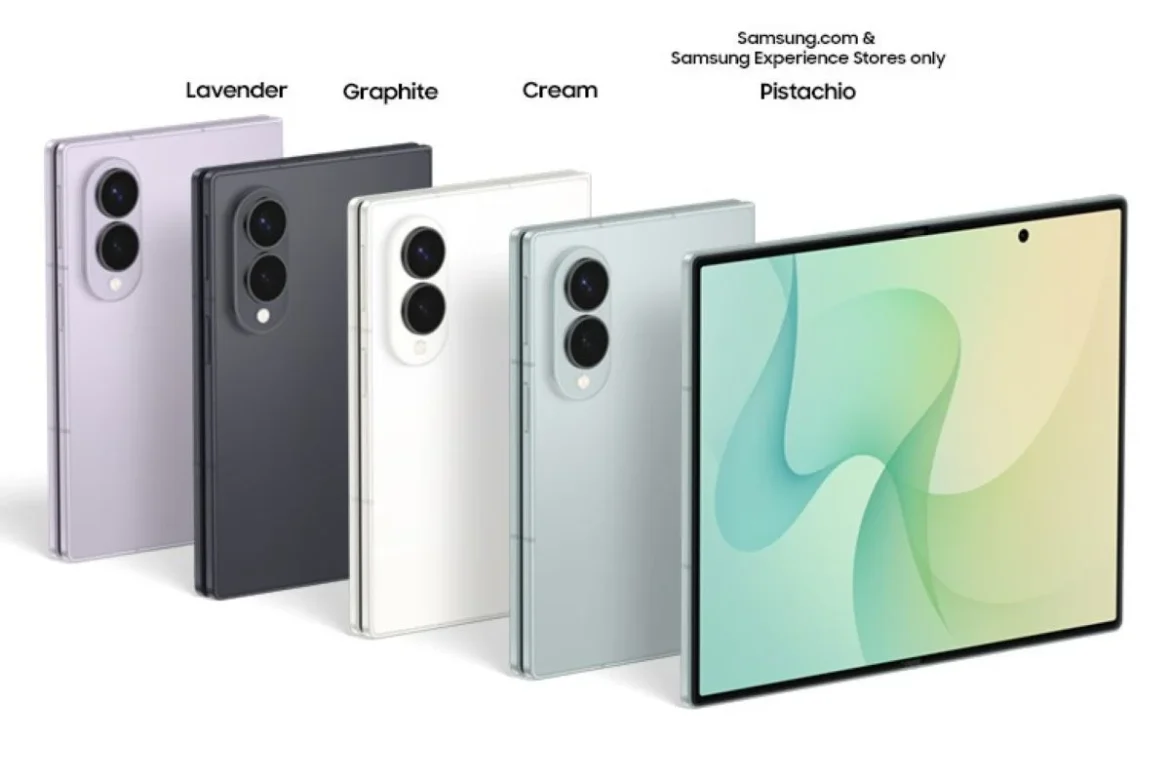
The cross-platform campaign did not stop at text-based banter. As the Apple Event streamed live to millions worldwide, Samsung’s Canadian subsidiary escalated the rivalry by publishing a seven-second video on Instagram. The clip showcased the Samsung Galaxy Z Fold 8 paired with the classic, provocative tagline: "Imitation is the sincerest form of flattery." The synchronization of the post with Apple’s keynote presentation left no room for ambiguity regarding the target of Samsung’s marketing strategy.
Motorola, another key player with a rich heritage in foldable design via its Razr lineup, similarly joined the fray through its United States Instagram channel. Motorola published a retrospective video tracing the visual and structural evolution of the Razr series from its early clamshell generations to its modern ultra-thin iterations. The accompanying caption read, "That feeling when you close your phone, and your Razr reveals everything you didn’t get to say. Someone just figured it out. We’ve been perfecting it. Just wait for our next move." The post served as a subtle reminder that Motorola—and by extension its parent company Lenovo—helped define the vertical fold factor long before Apple conceptualized the Duo.
Technical Specifications and Pricing Structure of the iPhone Duo
Beneath the marketing crossfire, the iPhone Duo arrives equipped with flagship hardware designed to justify its positioning at the pinnacle of the market. Powered by Apple’s next-generation A20 Pro chipset, the device features a dual-screen configuration engineered to bridge the gap between traditional slab smartphones and tablet-sized productivity tools.
The iPhone Duo incorporates a 5.4-inch external cover display, which functions as a standard smartphone interface when the device is fully closed. According to Apple’s official presentation specifications, this outer display accounts for approximately 90 percent of the usable screen area found on the standard iPhone 18 Pro, ensuring that users do not feel constrained when interacting with notifications or quick tasks on the go.
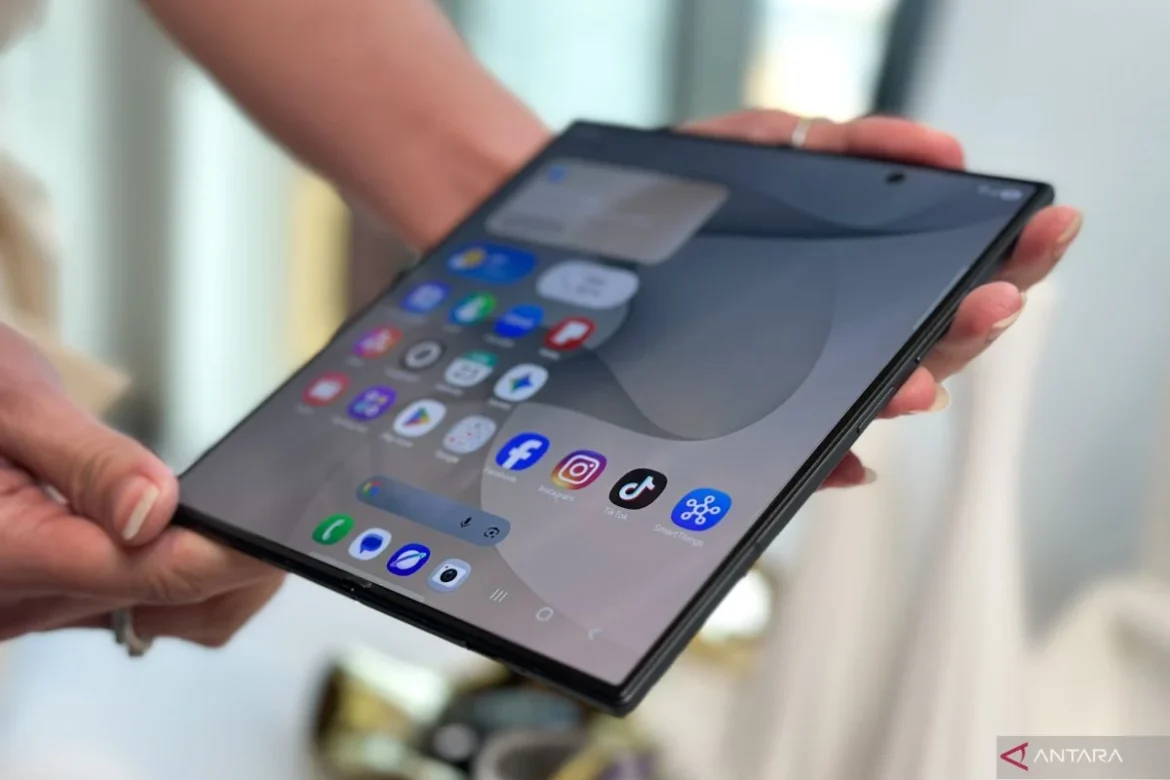
When unfolded, the device reveals a expansive 7.6-inch internal display. This main panel offers roughly 50 percent more screen real estate than the display found on the oversized iPhone 18 Pro Max. Apple engineers have integrated a consistent aspect ratio across both the inner and outer screens, allowing applications and media content to scale seamlessly and without visual distortion as the user transitions from folded to unfolded states. For imaging, the iPhone Duo relies on a versatile dual 48-megapixel camera system, paired with advanced computational photography features optimized for the unique folding form factor.
Positioned firmly as a luxury tier product, the iPhone Duo carries a starting retail price of US$1,999 (approximately Rp34.999 million based on standard currency conversions). While Apple has confirmed that the device is slated for an official rollout in the Indonesian market, local consumers and authorized resellers must wait for subsequent announcements regarding exact launch dates and regional pricing structures.
Industry Analysis: Flattery Versus Functional Superiority
Public and expert reactions to the iPhone Duo have been sharply polarized, reflecting deep divisions within the tech community regarding innovation velocity versus refinement. While competitors like Samsung and Motorola have leveraged social media to highlight Apple’s late arrival to the foldable sector, independent industry analysts and high-profile commentators have offered differing perspectives on the long-term implications of the launch.
Among the most vocal defenders of Apple’s design philosophy was prominent industry insider and leak specialist @IceUniverse, who took to X on Thursday to dismiss Samsung’s hardware advantage. In a series of posts, the commentator argued that Apple’s proprietary software engineering and transition animations far surpass anything currently available on competing Android foldables.
"The transition animations of the iPhone Duo are dreamlike. This is a level of elegance that Samsung will never surpass," @IceUniverse wrote. The analyst went further, issuing a stark assessment of the competitive landscape: "I’ll even say this to Samsung: you guys better just give up in the foldable phone market. You no longer have a chance."
While such proclamations may overstate the immediate vulnerability of Samsung—which retains a massive global supply chain and extensive market penetration in the foldable space—they highlight a persistent historical trend in consumer technology. Historically, Apple has frequently entered existing product categories years after competitors established them, utilizing its vertically integrated ecosystem, software optimization, and brand equity to redefine consumer expectations and capture dominant market share.
Broader Market Implications and Future Outlook
The launch of the iPhone Duo and the subsequent reactions from Samsung, Motorola, and independent observers signal a mature phase in the global smartphone industry. The foldable market, once dismissed as an expensive experiment plagued by durability concerns and high manufacturing costs, has now entered the mainstream spotlight.
For Samsung, the entry of Apple validates years of heavy research, development, and marketing expenditure aimed at convincing consumers that foldable displays represent the future of mobile computing. However, it also introduces an existential threat to Samsung’s market leadership. With Apple now occupying the ultra-premium foldable segment, Samsung will face intense pressure to accelerate its own hardware innovation, particularly regarding crease reduction, structural thinness, and software multitasking capabilities.
For Motorola and other Android manufacturers, the presence of Apple validates the clamshell and book-style foldable formats, potentially driving broader consumer adoption that will lift the entire category rather than penalize individual brands. As supply chains adapt to the increased demand for ultra-thin glass, advanced hinge mechanisms, and dual-screen optimization, the next few years will likely see rapid iteration across all major ecosystems.
Ultimately, whether the iPhone Duo proves to be an industry-defining masterpiece or merely a late contender in an established race will depend on consumer reception once the device reaches global retail shelves. What remains indisputable is that the foldable wars have officially entered a new, high-stakes chapter, with the industry’s biggest players locked in a battle not just over hardware specifications, but over the very definition of modern mobile design.