Jumat, 24 Juli 2026 – 05:30 WIB
A seismic development has rocked the football world, emanating from South Korea, as revered coach Shin Tae-yong has been slapped with a severe disciplinary sanction by the Korean Football Association (KFA). This unprecedented punishment immediately casts a shadow of doubt over his recently commenced tenure as head coach of Persija Jakarta, a role he assumed in June 2026. The gravity of the KFA’s decision, which includes potential bans and even permanent expulsion from Korean football, underscores a deepening crisis for a figure synonymous with both South Korean and Indonesian football.
The Korean media outlet, Channel A, a prominent news source known for its in-depth sports reporting, was the first to break the news, detailing the multifaceted issues that led to the KFA’s stern stance. The core of the controversy stems from Shin Tae-yong’s brief and tumultuous stint with Ulsan HD, a period that lasted a mere 65 days before his abrupt dismissal. During this short interval, a series of contentious incidents reportedly unfolded, including a significant dispute with players, serious allegations of assault, and reports of him engaging in golf activities while the team was on an away match, a perceived lapse in professional conduct. These accusations collectively painted a picture of a coach struggling to maintain control and adherence to ethical standards within a professional club environment.
Unpacking the Disciplinary Process and Sanctions
The path to this severe sanction began with the Sports Ethics Center, an independent body operating under the direct purview of South Korea’s Ministry of Culture, Sports, and Tourism. This center, established to uphold integrity and ethical conduct across all sports disciplines in the nation, initially determined that Shin Tae-yong’s actions warranted significant disciplinary action. Following the Sports Ethics Center’s preliminary findings, the KFA convened its own Fair Play Committee meeting earlier this month. The committee’s mandate is to review ethical breaches and determine appropriate penalties, ensuring that the sport’s integrity is maintained at all levels.
The KFA’s Fair Play Committee ultimately endorsed and formalized the severe recommendations, outlining a range of penalties that could dramatically impact Shin Tae-yong’s career. These sanctions include a suspension of coaching qualifications for up to 10 years, an outright ban from participating in any football competitions organized or sanctioned by the KFA, and, most strikingly, the possibility of permanent expulsion from Korean football. This latter clause signifies a complete severing of ties with the domestic football landscape, effectively barring him from any future involvement in coaching, administration, or official capacities within South Korea. Such a comprehensive set of penalties is rarely imposed and typically reserved for the most egregious breaches of conduct, highlighting the KFA’s determination to send a strong message regarding ethical standards.
However, Channel A’s report also provided a crucial clarification: the disciplinary action, as currently stipulated, is explicitly stated to apply only within the geographical and jurisdictional boundaries of South Korea, effective from the date of the official notification. This geographical limitation introduces a complex layer of interpretation regarding the immediate and long-term implications for Shin Tae-yong, particularly concerning his employment outside his home country.
The Immediate Impact on Persija Jakarta and Shin’s International Career
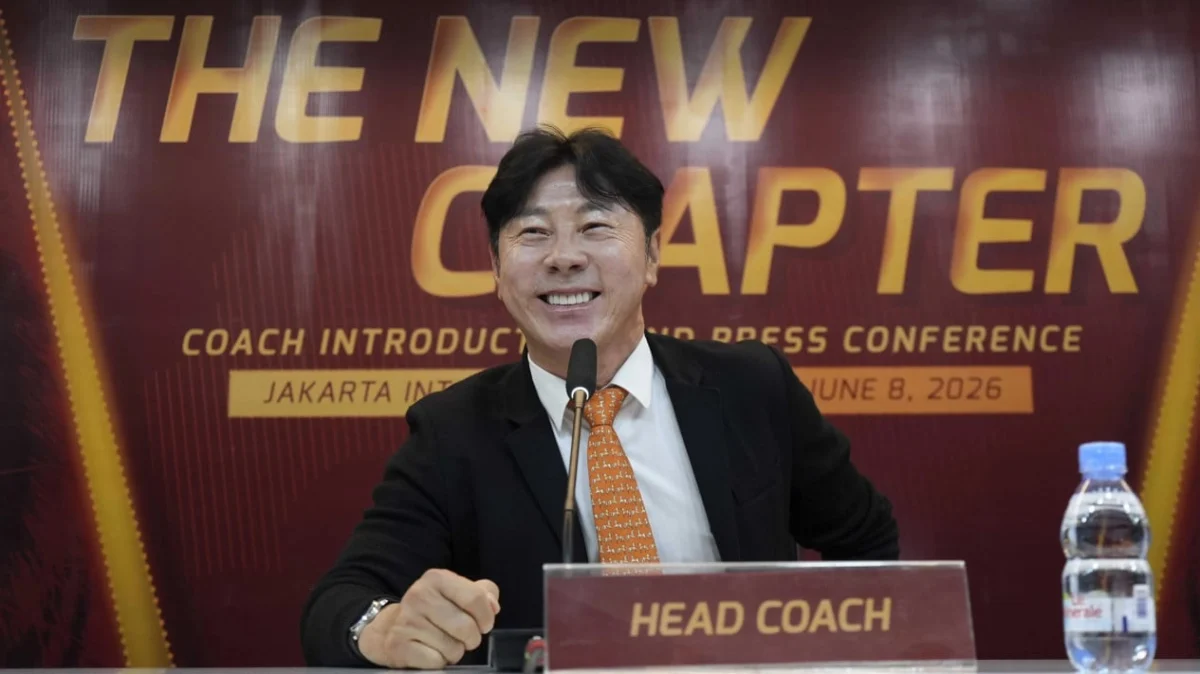
The critical nuance that the sanctions are presently confined to South Korea means that Shin Tae-yong’s position as head coach of Persija Jakarta has not been automatically terminated. This distinction is paramount, as he only joined the Indonesian Liga 1 powerhouse in June 2026, signing a lucrative three-year contract, signifying a significant commitment from both parties. The "Macan Kemayoran," as Persija Jakarta is affectionately known, had high hopes for Shin Tae-yong, banking on his international experience and tactical acumen to elevate the club’s performance and reclaim its status as a dominant force in Indonesian football.
PSSI, the Football Association of Indonesia, has reportedly been informed of the disciplinary findings and has conveyed this information to Shin Tae-yong. At present, the former coach of the Indonesian national team remains in Indonesia, diligently carrying out his duties as Persija’s head coach. His physical presence and active engagement with the club underscore the prevailing uncertainty and the unique challenges posed by a geographically limited sanction.
Korean media outlets have been quick to highlight the practical efficacy, or lack thereof, of a domestic ban when the subject of the disciplinary action is already operating beyond national borders. With Shin Tae-yong’s three-year contract with Persija Jakarta firmly in place, the KFA’s sanctions, while severe in principle, do not directly impede his current coaching activities in Indonesian football. This situation raises pertinent questions about the international recognition of such domestic bans and the extent to which football governing bodies globally are obligated to enforce sanctions originating from another national association. While FIFA rules often encourage the recognition of national association decisions, the immediate practical enforcement remains a complex legal and administrative challenge.
Shin Tae-yong’s Response and Potential Appeal
In the midst of this escalating crisis, Shin Tae-yong has finally broken his silence. In a telephone conversation with Channel A, he expressed significant reservations and a profound sense of injustice regarding the KFA’s decision. His initial reaction suggests a belief that the disciplinary process may not have fully captured the truth or fairly represented his perspective on the events that transpired during his time at Ulsan HD.
"There are many aspects that I feel are unfair, and I want to express the truth, but my students could be hurt if I speak, and the atmosphere of domestic football is not good," Shin Tae-yong was quoted as saying. This statement offers a glimpse into his internal conflict, suggesting that his reluctance to fully articulate his defense publicly is driven by a protective instinct towards his players and a desire not to further destabilize the broader football environment in South Korea. It implies that a more detailed rebuttal from his side could potentially expose sensitive information or exacerbate existing tensions within the Korean football ecosystem.
He further indicated that he is prepared to shoulder the burden of this issue alone for the time being. However, crucially, he also confirmed that he is actively considering the possibility of filing an appeal against the KFA’s harsh ruling. An appeal process would typically involve presenting new evidence, challenging the interpretation of existing facts, or arguing against the severity of the punishment. Such a move would inevitably prolong the legal battle and keep the spotlight firmly fixed on this unfolding saga.
Background and Chronology of Events Leading to the Sanction
Shin Tae-yong’s journey through football has been marked by both significant triumphs and intermittent challenges. A former midfielder for Seongnam Ilhwa Chunma, he transitioned into coaching, making a name for himself with the South Korea U-23 and U-20 national teams before taking the helm of the senior national team. His most notable achievement with the senior squad was leading them to the 2018 FIFA World Cup in Russia, where they famously defeated defending champions Germany. After his stint with the national team, he moved to Indonesia, where he transformed the national team program, revitalizing youth development and guiding the senior team to multiple regional tournament finals, earning him immense popularity among Indonesian fans.
The timeline leading to the current crisis can be reconstructed as follows:
- Early 2026 (approx.): Shin Tae-yong is appointed as head coach of Ulsan HD in the K League 1.
- March-May 2026 (approx.): A 65-day period during which the alleged incidents—player disputes, alleged assault, and golf during away matches—occur, leading to his dismissal from Ulsan HD.
- May-June 2026: The Sports Ethics Center initiates an investigation into the allegations surrounding Shin Tae-yong’s conduct at Ulsan HD.
- June 2026: Shin Tae-yong is officially appointed as head coach of Persija Jakarta, signing a three-year contract, signaling his move out of Korean domestic football.
- Early July 2026: The KFA’s Fair Play Committee convenes to deliberate on the Sports Ethics Center’s findings and determines the disciplinary sanctions against Shin Tae-yong.
- Mid-July 2026 (approx.): Shin Tae-yong receives official notification of the KFA’s disciplinary decision. PSSI is also notified.
- July 24, 2026: Korean media, specifically Channel A, breaks the news of the severe KFA sanctions, sparking widespread reaction and questions about Shin Tae-yong’s future.
Broader Implications and Precedents
This case sets a significant precedent for the KFA and for football governance globally. It highlights the increasing focus on ethical conduct and professional accountability within sports. The Sports Ethics Center’s involvement underscores a growing trend in many countries to establish independent bodies to address integrity issues, moving beyond the traditional disciplinary mechanisms of national sports federations.
For Persija Jakarta, the situation presents a delicate challenge. While Shin Tae-yong is not immediately forced to leave, the cloud of a severe sanction from his home country’s football association could have reputational implications. The club will need to carefully navigate public perception and potentially seek clarification from PSSI or even FIFA regarding the enforceability and recognition of such a domestic ban on an international stage. The three-year contract represents a substantial investment, and any disruption could significantly impact the club’s sporting ambitions and financial stability.
Furthermore, the KFA’s decision, particularly the "permanent expulsion from Korean football" clause, sends a powerful message about the association’s commitment to maintaining a clean and ethical environment, even at the cost of alienating a prominent figure. It serves as a stark warning to other coaches and officials that professional misconduct, regardless of past achievements, will be met with severe consequences.
The football world now watches intently as this complex saga unfolds. Shin Tae-yong’s decision regarding an appeal will be a pivotal moment, potentially leading to a protracted legal battle that could further illuminate the intricate interplay between national football associations, international employment, and the evolving landscape of sports ethics. His career, which has seen him command respect across continents, now hangs in a precarious balance, contingent on the outcomes of his impending legal challenges and the wider recognition of the KFA’s unprecedented disciplinary action. The coming weeks and months will undoubtedly be critical in determining the ultimate fate of one of Asian football’s most recognizable coaching figures.