
The rapid proliferation of cryptocurrency assets and blockchain technology in Indonesia has reached a critical juncture, as the nation navigates the complexities of a maturing digital financial landscape. According to the latest data released by the Financial Services Authority (OJK), the domestic crypto sector has seen unprecedented adoption, with the number of registered consumer accounts hitting 22.93 million by July 2026. This surge in user participation has been mirrored by significant market activity, with transaction volumes totaling approximately Rp171.12 trillion between January and July 2026. These figures underscore the transition of digital assets from a niche investment class to a significant component of the national digital economy.
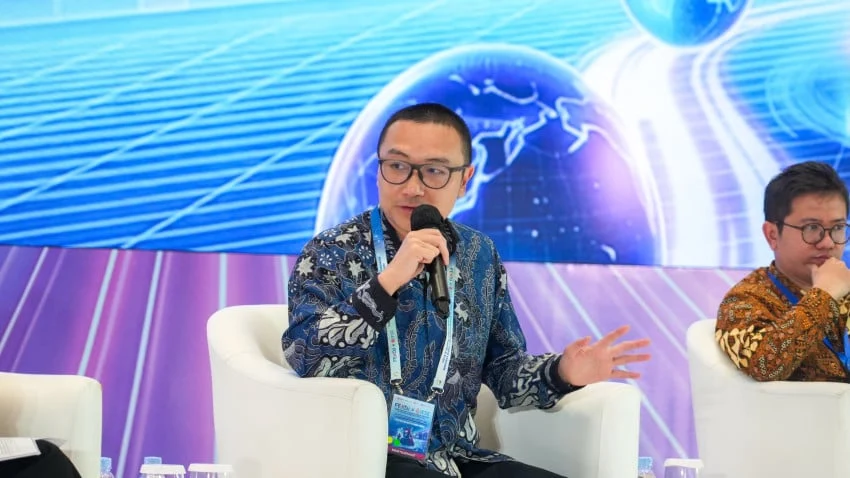
The insights were shared by William Sutanto, CEO of Indodax and Secretary General of the Indonesian Blockchain Association (ABI), during a high-level panel discussion at the FEKDI x Indonesia Fintech Summit & Expo (IFSE) 2026. Addressing stakeholders in Jakarta, Sutanto emphasized that the borderless nature of blockchain technology presents both a massive opportunity for economic expansion and a complex challenge for local regulatory frameworks.
The Evolution of Indonesia’s Digital Asset Landscape
To understand the current state of the Indonesian crypto market, one must look at the trajectory of the industry over the past decade. Initially viewed with skepticism by traditional financial institutions, blockchain technology has gained traction as the government sought to integrate digital assets into the formal financial system. The establishment of the Commodity Futures Trading Regulatory Agency (Bappebti) as a primary oversight body, followed by the transition of regulatory authority to the OJK, reflects a strategic shift toward institutionalizing crypto assets.
By mid-2026, the ecosystem has moved beyond mere speculation. With over 22 million users, the demographic profile of investors has shifted from tech-savvy early adopters to a broader cross-section of the Indonesian population. This mass adoption has been driven by increased accessibility to regulated exchanges, improved user interfaces, and a growing interest in decentralized finance (DeFi) as a hedge against traditional economic volatility.
FEKDI x IFSE 2026: A Hub for Digital Finance Discourse
The FEKDI (Festival Ekonomi Keuangan Digital Indonesia) x Indonesia Fintech Summit & Expo (IFSE) 2026 serves as the premier platform for policymakers, central bankers, and industry leaders to deliberate on the future of the nation’s financial architecture. The inclusion of blockchain and crypto assets as core agenda items at this year’s summit highlights the OJK’s recognition that digital assets are no longer peripheral.
During the panel, Sutanto noted that the "borderless" character of crypto allows domestic investors to bypass local platforms in favor of global exchanges. While this provides users with a wider array of assets, it also exposes them to significant risks, including limited legal recourse in the event of platform insolvency or security breaches. The challenge for Indonesia, therefore, is not to restrict access, but to ensure that the local ecosystem remains competitive enough to retain users within a regulated, safe environment.
Supporting Data and Market Trends
The market performance in 2026 has been characterized by high volatility, reflecting global trends. For instance, recent market movements—such as the rebound of Bitcoin to the USD 87,000 threshold—have reignited public interest but also heightened concerns regarding "Fear of Missing Out" (FOMO) among retail investors.
Data from the first seven months of 2026 indicates a resilient market structure:
- Total Registered Accounts: 22.93 million (as of July 2026).
- Cumulative Transaction Value: Rp171.12 trillion (January to July 2026).
- User Growth Rate: Sustained double-digit growth quarter-on-quarter.
These numbers suggest that despite regulatory scrutiny and market corrections, the underlying demand for digital asset exposure remains robust. However, the concentration of liquidity and trading activity remains a focal point for regulators who are concerned about potential market manipulation and the lack of standardized reporting for cross-border transactions.
The Challenge of Illegal Platforms
A significant portion of the discourse at the IFSE 2026 centered on the prevalence of Platform Aset Keuangan Digital (PAKD) or illegal crypto platforms. These entities often operate outside the jurisdiction of Indonesian law, offering services that lack the capital requirements, security protocols, and consumer protection mechanisms mandated by the OJK.
Sutanto emphasized that the proliferation of illegal exchanges is a multifaceted issue. "The industry must work in lockstep with the regulator," he stated. "We cannot expect users to migrate to licensed platforms if they do not understand the risks associated with unauthorized entities." The proposed solution involves a four-pillar approach:
- Regulatory Alignment: Strengthening the synergy between the OJK, Bappebti, and the central bank to create a unified framework for digital assets.
- Institutional Collaboration: Associations like the ABI must act as a bridge between the industry and the government to ensure that compliance measures are practical and effective.
- Enhanced Public Literacy: Launching national campaigns to educate investors on how to verify the licensing status of a platform before depositing funds.
- Market Competitiveness: Encouraging local exchanges to innovate and provide a superior user experience, thereby reducing the incentive for domestic users to seek out offshore, unregulated alternatives.
Analyzing the Long-Term Implications
The maturation of the crypto sector in Indonesia carries profound implications for the national economy. If managed correctly, the integration of blockchain technology could lead to reduced transaction costs, greater financial inclusion for the unbanked population, and the development of a domestic hub for fintech innovation.
However, the risks are equally significant. Without robust surveillance mechanisms, the sector could become a conduit for capital flight or money laundering. The current regulatory trajectory—characterized by a shift toward more stringent compliance—suggests that the government is aiming for a "managed growth" model. By requiring exchanges to meet high operational standards, the OJK is essentially attempting to curate a "whitelist" of platforms that can be trusted by the general public.
Moreover, the impact of global macroeconomic conditions cannot be overstated. As Indonesian crypto markets become increasingly correlated with global indices, the sensitivity of local investors to international news—such as changes in U.S. monetary policy or global institutional adoption of Bitcoin—will likely increase. This necessitates a more sophisticated investor base and clearer communication from authorities regarding the inherent risks of digital asset trading.
Looking Ahead: The Path to Stability
As the 2026 fiscal year progresses, the focus for stakeholders in the Indonesian blockchain sector remains on consolidation and protection. The sentiment expressed at the IFSE 2026 suggests that the era of "wild west" growth is effectively ending, replaced by an era of professionalized, regulated operations.
For industry players like Indodax, the path forward involves balancing growth with responsibility. As Sutanto pointed out, the goal is to build an ecosystem that is not only profitable but also resilient enough to withstand market shocks while providing the necessary safeguards to prevent retail investors from falling victim to illicit platforms.
The collaboration between the OJK and industry bodies will be the defining factor in the coming years. By fostering an environment where innovation is encouraged but compliance is non-negotiable, Indonesia is positioning itself to be a leader in the Southeast Asian digital economy. The success of this strategy will ultimately be measured by the stability of the market and the level of public trust in the digital financial infrastructure.
In conclusion, the discourse at the FEKDI x Indonesia Fintech Summit 2026 serves as a stark reminder that while technology knows no borders, finance must be governed by rules that protect the national interest and the individual investor. The path toward a mature, secure, and vibrant crypto industry in Indonesia is clearly defined, but its execution requires unwavering cooperation between the public and private sectors in the months and years to follow.
