
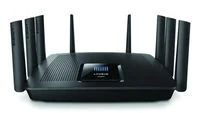
For the modern traveler, checking into a hotel often triggers a familiar routine: the immediate search for the Wi-Fi password to reconnect with the world. However, beneath the convenience of complimentary high-speed internet lies a landscape of potential cybersecurity vulnerabilities that many guests overlook. As digital nomads and business travelers increasingly rely on hotel networks, the risk of falling victim to sophisticated cyber-attacks, specifically the "evil twin" network, has become a growing concern for security experts and regulatory bodies alike.
The Anatomy of the Evil Twin Attack
An "evil twin" attack is a form of wireless network fraud where a malicious actor sets up a rogue Wi-Fi access point that mimics the identity of a legitimate network—in this case, the hotel’s official Wi-Fi. By cloning the Service Set Identifier (SSID) of the hotel, attackers can lure unsuspecting guests into connecting to their malicious infrastructure. Once a guest joins this rogue network, the perpetrator acts as a "man-in-the-middle," potentially intercepting sensitive data, including login credentials, financial information, and private communications.
Cybersecurity analyst Udaya Vemuri emphasizes that the primary error travelers make is a lack of due diligence. "The ease of access is the trap," Vemuri notes. "Attackers are adept at creating networks with names that are nearly identical to the legitimate service, relying on the fact that most travelers will blindly click ‘connect’ without verifying the specific network details provided by the hotel staff."
The FBI’s Perspective and Historical Context
The threat is not merely theoretical. The Federal Bureau of Investigation (FBI), through its Internet Crime Complaint Center (IC3), has issued multiple warnings regarding the vulnerabilities of public Wi-Fi networks in high-traffic areas, including hotels, airports, and coffee shops.
The FBI’s analysis highlights that hotel network architecture is often designed for scale and guest convenience rather than high-level security. Frequently, these networks prioritize user experience over robust encryption protocols. Furthermore, once a guest is inside the hotel’s network, they are essentially in a shared digital space where the management of the network is often outside the guest’s control. If a hotel’s internal security infrastructure is compromised, every device connected to it becomes a potential target for lateral movement by a malicious actor.
The Risk Assessment: Balancing Fear and Reality
While the warnings from federal agencies are stark, industry experts offer a more nuanced view of the actual probability of a successful breach. Dahvid Schloss, Chief Operating Officer at Suzu Labs and a former government cybersecurity tester, suggests that while hotel Wi-Fi is inherently a "public" network with limited oversight, the catastrophic scenarios often portrayed in media are relatively rare.
"The statistical likelihood of a random hotel guest being specifically targeted by a sophisticated attacker simply because they logged onto a hotel network remains quite low," Schloss explains. He argues that much of the anxiety surrounding this topic stems from a misunderstanding of how hacking actually works. Merely being on the same network as an attacker does not provide them with an "open door" to a guest’s device. Modern operating systems have become significantly more resilient, employing advanced firewalls and encrypted traffic protocols like HTTPS, which mask data even if the network itself is compromised.
However, Schloss concedes that the risk is non-zero and often compounded by user behavior. "Most security incidents we observe in the field are not the result of highly targeted ‘James Bond-style’ attacks, but rather the result of users failing to keep their software updated or ignoring security warnings prompted by their browsers," he adds.
Vulnerability Landscapes: Laptops vs. Smartphones
Security researchers have noted a clear distinction in risk profiles between different types of devices. Laptops, which often run legacy software or lack strictly enforced security policies, are generally considered more vulnerable than modern smartphones. Mobile operating systems, such as iOS and Android, have made significant strides in "sandboxing" applications, which limits the ability of an attacker to move from one app to another or gain root access to the device through a network connection.
Conversely, laptops are often used for more intensive professional tasks—such as accessing corporate VPNs, banking portals, and sensitive internal databases—making them more attractive targets for data exfiltration.
Best Practices for Digital Hygiene
For travelers who must navigate the reality of hotel connectivity, cybersecurity experts suggest a layered defense strategy. The primary recommendation is to avoid public Wi-Fi for high-stakes transactions whenever possible.
- Prioritize Personal Hotspots: Using a smartphone as a cellular hotspot provides a dedicated, encrypted connection that bypasses the hotel’s network entirely. This is the gold standard for accessing sensitive data, such as corporate email or banking platforms.
- Verify Before Connecting: Always confirm the exact name and security protocol of the hotel’s Wi-Fi network with the front desk staff. If the network name appears slightly different from what was provided, do not connect.
- Enable Multi-Factor Authentication (MFA): Even if an attacker manages to capture a password, MFA serves as a critical fail-safe that prevents unauthorized access to accounts.
- Keep Systems Updated: Regularly updating the operating system and web browsers is the most effective way to patch vulnerabilities that attackers exploit.
- Utilize a Trusted VPN: While a Virtual Private Network (VPN) is not a panacea for all security threats, it does encrypt data traffic between the device and the VPN server, ensuring that even if the Wi-Fi network is "evil," the data remains encrypted and unreadable to the operator of the rogue access point.
The Role of Hospitality Providers
There is also an increasing burden on the hospitality industry to modernize its network security. As cybersecurity becomes a primary concern for business travelers, hotels that invest in enterprise-grade security, such as WPA3 encryption and isolated guest networks (VLANs), are likely to gain a competitive advantage.
The industry is currently in a transition period. While smaller boutique hotels may still rely on legacy hardware, major international chains are increasingly moving toward managed IT services that perform real-time monitoring to detect rogue access points mimicking their networks. However, the sheer volume of guests and the constant churn of devices make the hotel environment one of the most difficult to secure perfectly.
Conclusion: A Measured Approach
The consensus among experts is that while travelers should exercise caution, there is no need for alarmism. The digital age requires a shift in mindset: treat every public network as a potentially hostile environment. By maintaining rigorous software standards, utilizing multi-factor authentication, and leaning on cellular data for sensitive operations, the risks associated with hotel Wi-Fi can be mitigated effectively.
The era of "free" internet is rarely free from the perspective of risk, but with informed habits and proactive security measures, travelers can continue to stay connected without compromising their digital safety. The threat is real, but it is one that can be managed through the simple combination of awareness, verification, and the right technical tools. As the line between the physical and digital world continues to blur, the vigilance of the individual user remains the most effective firewall of all.
