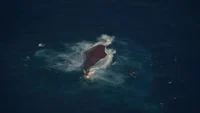
The National Search and Rescue Agency (Basarnas) has officially announced a seven-day extension for the search and rescue (SAR) operations concerning the 126 individuals still missing following the tragic capsizing of the KM Virgo Transport 8. The vessel, which met with disaster in the treacherous waters of the Masalembo Strait in the Java Sea, has left a significant void in maritime safety discourse. The extension, confirmed on the evening of Saturday, September 19, marks a critical phase as search teams transition from immediate rescue efforts to a more complex recovery and salvage operation.
Chronology of the Maritime Tragedy
The sequence of events leading to this disaster began on September 12, 2026, when the KM Virgo Transport 8 departed from Tanjung Perak Port in Surabaya, East Java, bound for the Trisakti Port in Banjarmasin, South Kalimantan. The vessel was carrying a total of 243 people, according to the official passenger manifest.
On the early morning of September 13, 2026, at approximately 02:00 Wita, the vessel encountered severe meteorological conditions. The Masalembo Strait is notorious for its volatile weather patterns and turbulent currents, often posing significant risks to even well-maintained vessels. Reports indicate that the ship lost radio contact shortly before it was discovered later that same day in an inverted position. The immediate deployment of SAR teams initiated a race against time, with the hope of locating survivors trapped within air pockets of the submerged or capsized hull.
By the end of the seventh day of the operation, Saturday, September 19, Basarnas had successfully accounted for 117 individuals. Of these, 108 were confirmed to be survivors, while nine fatalities were recorded. With 126 passengers still unaccounted for, the scale of the tragedy remains immense, prompting authorities to maintain a high-intensity search effort.
Strategic Decision-Making and Coordination
The decision to extend the search operation was not taken lightly. It followed exhaustive consultations between Basarnas leadership, various maritime stakeholders, and the specialized salvage teams hired by the vessel’s owners.
Director of Operations for Basarnas, First Admiral Yudhi Bramantyo Nur Sasongko, addressed the media at the Trisakti Port in Banjarmasin, emphasizing the necessity of this extension. "Today marks the conclusion of the initial seven-day window. After careful deliberation with all stakeholders and the salvage teams, we have determined that the search and rescue operations will be extended for another seven days," Yudhi stated.
The inclusion of salvage teams is a pivotal development. As of Saturday, two specialized salvage crews arrived at the site to assess the wreckage. These teams are currently engaged in technical discussions to determine the most viable method for stabilizing or raising the vessel. The complexity of the salvage operation cannot be overstated; the depth of the water, the structural integrity of the ship, and the unpredictable currents of the Java Sea present significant engineering challenges.
Analyzing the Masalembo Risk Factor
The Masalembo Strait has long been categorized by the Indonesian maritime community as a "high-risk zone." Located at the intersection of the Java Sea and the Makassar Strait, the region is subject to extreme weather, particularly during seasonal transitions.
Maritime experts note that the combination of narrow shipping lanes and unpredictable wind-driven waves often creates dangerous conditions for medium-sized transport vessels. While investigations into the exact cause of the KM Virgo Transport 8 accident are ongoing, the proximity of the incident to the Masalembo area has reignited calls for more stringent safety protocols for vessels transiting this route.
The incident highlights the logistical difficulties of performing SAR operations in the open sea. Search efforts are hampered not only by the physical state of the wreckage but also by the vast area over which debris and potential survivors could be scattered. The failure to locate new survivors or victims on the seventh day underscores the waning probability of finding survivors, yet the mandate of Basarnas remains clear: to ensure all efforts are exhausted before shifting to a purely recovery-based posture.
The Role of Salvage and Long-term Implications
The involvement of the ship’s owners in the salvage process is a standard procedure, but it introduces a layer of complexity regarding liability and timeline. Admiral Yudhi noted that the salvage operation is likely to be a protracted affair. "The salvage operation will be extensive and time-consuming. It will not be as brief as some might anticipate. We cannot provide a definitive completion date, as the technical experts are still finalizing the methodology," he explained.
The implications of this incident extend beyond the immediate human cost. There is significant pressure on the Ministry of Transportation to conduct a thorough audit of the vessel’s maintenance records, safety equipment availability, and adherence to weather-related departure protocols. If it is found that the vessel sailed despite severe weather warnings, it could trigger significant legal and regulatory consequences for the operators.
Furthermore, the public is closely monitoring how the government handles the transparency of the investigation. Families of the missing, many of whom have gathered at the Trisakti Port in hopes of news, require clear communication and psychological support. The humanitarian aspect of this tragedy is as critical as the technical investigation.
Supporting Data and Statistical Context
As of September 19, 2026, the status of the passengers and crew is summarized as follows:
- Total Manifested: 243
- Total Confirmed Found: 117
- Survivors: 108
- Deceased: 9
- Missing: 126
The recovery rate, while substantial in the first few days, has stagnated. This is a common pattern in maritime disasters of this nature, where the initial rescue phase captures those who were able to evacuate or stay afloat, while the secondary phase requires underwater operations, which are significantly slower and more hazardous.
Moving Forward: The Next Seven Days
The upcoming week will be defined by the integration of the salvage plan with the ongoing search. Divers and Remotely Operated Vehicles (ROVs) are expected to play a larger role as the focus shifts toward investigating the interior of the capsized hull. The coordination between Basarnas and the salvage contractors is essential to ensure that the search does not disturb the structural integrity of the ship, which could lead to further hazards for the recovery teams.
While the extension provides a glimmer of hope for the families, officials have been careful to manage expectations. The transition from a search-and-rescue mission to a recovery mission is a standard protocol in the maritime industry, typically triggered when the likelihood of finding survivors diminishes beyond a certain threshold. However, by extending the formal SAR period, Basarnas ensures that the legal and operational framework remains in place to facilitate a thorough and professional response.
The tragedy of the KM Virgo Transport 8 serves as a sobering reminder of the inherent dangers of maritime transport in the Indonesian archipelago. As the nation watches, the focus remains on the professional dedication of the search teams braving the waters of the Masalembo, and the long-term quest for accountability and improved safety standards that will inevitably follow the conclusion of this incident. The findings of the investigation, once completed, will likely serve as a foundational document for future maritime safety policies in the region.