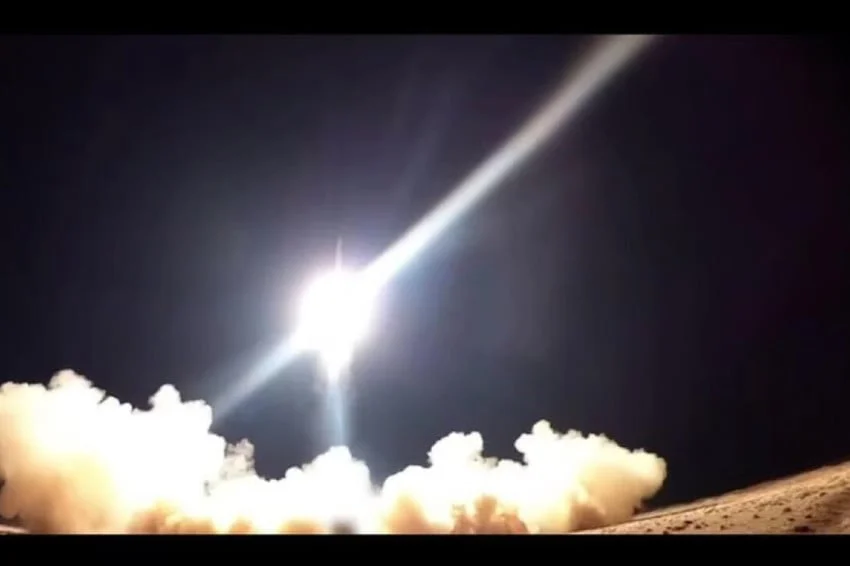
TEHRAN – The United States military has confirmed a series of retaliatory strikes against targets associated with Iran’s Islamic Revolutionary Guard Corps (IRGC) following a deadly drone attack on US forces in Jordan. These strikes represent a significant escalation in the already fraught relationship between Washington and Tehran, underscoring the precarious balance of power in the Middle East and raising profound questions about the potential for broader conflict. According to US Central Command (CENTCOM), the precision operations successfully targeted key Iranian military infrastructure, including coastal surveillance and air defense facilities, maritime capabilities, and crucial missile and drone storage locations. These actions were a direct response to a lethal assault on American service members in Jordan on July 17, an incident that prompted widespread condemnation and calls for a decisive US response.
The latest engagement marks a critical juncture in the ongoing shadow war between the two nations, which has frequently played out through proxy forces across the region. While CENTCOM maintained that the strikes were designed to degrade the IRGC’s capacity to launch further attacks and to deter future aggression, the long-term implications for regional stability and diplomatic efforts remain uncertain. The decision to undertake military action against Iranian-linked targets, particularly after a direct fatality of US personnel, inevitably ignites intense debate regarding the strategic calculus involved, including the potential for unintended escalation.
The Deadly Attack in Jordan: A Catalyst for Retaliation
The catalyst for these retaliatory strikes was a sophisticated drone attack on July 17, which targeted a US military outpost known as Tower 22, situated in northeastern Jordan near the Syrian border. This outpost is a critical logistical hub for US forces involved in the global coalition to defeat ISIS and for supporting regional stability operations. The drone strike resulted in the tragic deaths of three US service members and injured dozens more, marking one of the most significant and fatal attacks on American personnel in the Middle East in recent years.
Preliminary investigations indicated that the attack originated from Iran-backed militia groups operating within Iraq or Syria, which frequently act as proxies for the IRGC. These groups, often collectively referred to as the "Axis of Resistance," have a documented history of targeting US interests and personnel in the region, particularly since the escalation of tensions following the Israel-Hamas conflict. The July 17th attack was distinct in its lethality and its direct impact on US personnel stationed in a seemingly more stable allied nation like Jordan, crossing a perceived red line for the US administration. The incident immediately triggered calls for a robust and unequivocal response from Washington, with senior US officials vowing to hold those responsible accountable.
Chronology of Escalation and Response
The period leading up to the US retaliatory strikes has been characterized by a complex interplay of diplomatic maneuvering, regional conflicts, and intermittent military confrontations.
- Pre-July 17th: The broader Middle East has been a hotbed of tension, exacerbated by the ongoing conflict in Gaza and its spillover effects. Iran-backed militias have intensified their attacks on US bases in Iraq and Syria, albeit often resulting in minor injuries or damage, without direct US fatalities for an extended period. US forces, in turn, have occasionally conducted limited defensive strikes against these groups.
- July 17th, 2026: A drone strike successfully penetrates defenses at Tower 22 in Jordan, killing three US service members and injuring scores. The attack sparks immediate outrage and vows of retaliation from the highest levels of the US government.
- July 17th – 19th, 2026: Following the attack, the US administration engages in intense internal deliberations, intelligence gathering, and planning for a retaliatory response. Options ranging from diplomatic pressure to widespread military action are likely considered. US officials communicate warnings to Iran, emphasizing that any further aggression would be met with severe consequences.
- July 19th, 2026 (or proximate date): The US military launches a series of targeted strikes against IRGC-affiliated sites. CENTCOM subsequently issues a statement confirming the operations, detailing the types of targets hit, and reiterating the US commitment to protecting its forces and interests in the region. The strikes are described as "defensive in nature" and designed to "degrade and deter."
This rapid sequence of events underscores the volatile nature of the region and the delicate balance that world powers attempt to maintain amidst competing interests and ideological divides. Each action and reaction carries the potential for further, unpredictable escalation.
Historical Context of US-Iran Tensions
The current standoff is deeply rooted in decades of animosity and mistrust between the United States and Iran. Following the 1979 Islamic Revolution, which overthrew the US-backed Shah, relations deteriorated sharply. Key milestones in this fraught history include:
- Iran Hostage Crisis (1979-1981): The seizure of the US Embassy in Tehran and the detention of American diplomats for 444 days solidified a deep-seated antagonism.
- Iran-Iraq War (1980-1988): The US provided some support to Iraq, further entrenching Iranian resentment.
- "Axis of Evil" Speech (2002): President George W. Bush identified Iran, along with Iraq and North Korea, as part of an "axis of evil," raising alarms in Tehran.
- Iranian Nuclear Program: Concerns over Iran’s nuclear ambitions led to international sanctions and intense diplomatic efforts, culminating in the 2015 Joint Comprehensive Plan of Action (JCPOA), or Iran nuclear deal.
- US Withdrawal from JCPOA (2018): Under President Donald Trump, the US unilaterally withdrew from the nuclear deal, reimposing crippling sanctions on Iran and leading to a significant escalation of tensions. Iran subsequently began to scale back its commitments under the deal.
- Soleimani Assassination (2020): The US assassination of IRGC Quds Force commander Qassem Soleimani in Iraq marked a dramatic peak in direct confrontation, followed by Iranian missile strikes on US bases in Iraq.
- Hormuz Strait Incidents: Frequent confrontations and seizures of tankers in the Strait of Hormuz, a critical global oil chokepoint, highlight the economic and strategic dimensions of the rivalry.
These historical precedents demonstrate a pattern of mistrust, strategic competition, and a willingness by both sides to employ various tools—from economic sanctions and cyber warfare to proxy conflicts and direct military action—to advance their interests.
Military Capabilities and Strategic Imperatives
The recent strikes highlight the significant military capabilities both the US and Iran possess, as well as the strategic imperatives driving their actions.
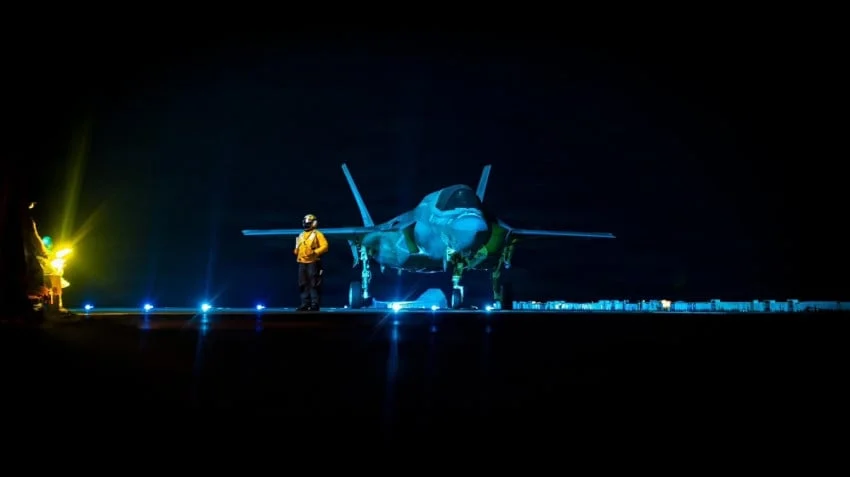
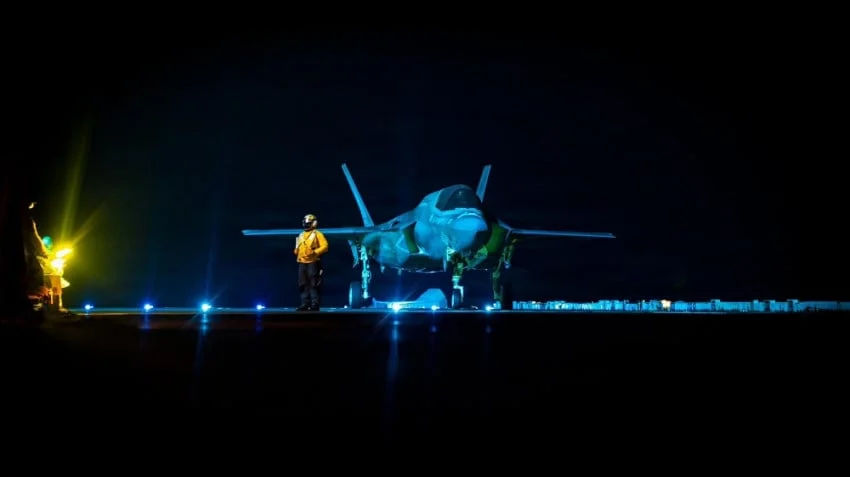
- US Military Presence and Power Projection: The United States maintains a robust military presence across the Middle East, including naval assets in the Persian Gulf, airbases in various allied nations, and ground forces in critical locations like Iraq, Syria, and Jordan. This allows for rapid power projection, intelligence gathering, and the capacity to conduct precision strikes. The assets used in the recent retaliation likely included advanced fighter jets, drones, and potentially cruise missiles, capable of striking targets deep within Iranian-linked territories.
- Iranian Military and Asymmetric Warfare: Iran’s military doctrine relies heavily on a combination of conventional forces (Army, Navy, Air Force) and asymmetric capabilities, primarily spearheaded by the IRGC. The IRGC’s Quds Force is particularly adept at cultivating and supporting proxy militias, providing them with training, funding, and advanced weaponry, including drones and ballistic missiles. Iran’s significant missile and drone programs are central to its defense strategy and its ability to project power regionally. The targeted facilities, such as missile and drone storage sites and coastal surveillance posts, are integral to these asymmetric capabilities.
- Strategic Importance of the Region: The Middle East remains a crucible of global strategic importance due due to its vast energy reserves, critical shipping lanes (e.g., Strait of Hormuz), and its role as a nexus for international politics. The US maintains its presence to counter terrorism, ensure energy security, support allies like Israel and Saudi Arabia, and deter regional aggressors. For Iran, asserting its influence in neighboring states through proxies is seen as a vital component of its national security and regional hegemony aspirations.
Official Reactions and International Calls for Restraint
Following the US strikes, reactions from various stakeholders have been swift and predictable, reflecting the deep divisions and anxieties surrounding the escalating tensions.
- United States: Senior US officials, including the President, Secretary of Defense, and National Security Advisor, quickly justified the strikes as necessary and proportionate self-defense measures. They reiterated the US commitment to protecting its forces and interests, sending a clear message that attacks on American personnel would not go unpunished. Statements emphasized the goal of deterring future aggression while seeking to avoid a wider war. "We will not hesitate to take further action if necessary to protect our people," one official stated, underscoring Washington’s resolve.
- Iran: Iranian authorities, including spokespersons for the Foreign Ministry and the IRGC, vehemently condemned the US strikes as acts of aggression and violations of sovereignty. While often denying direct involvement in the initial attack in Jordan, Iranian officials typically attribute such actions to "resistance groups" acting independently. They vowed a strong response to any further violations of Iranian territory or interests, warning the US against further adventurism. "The presence of foreign forces in our region is the root cause of instability," an Iranian official declared, demanding an end to US military presence.
- Regional Allies: Countries like Saudi Arabia, the United Arab Emirates, and Israel, which view Iran as a primary regional threat, generally expressed quiet support for US actions aimed at countering Iranian aggression, while publicly calling for de-escalation and stability. Jordan, the site of the initial attack, reiterated its commitment to regional security and condemned all forms of terrorism.
- International Community: The United Nations, the European Union, and other international bodies issued urgent calls for restraint and de-escalation from all parties. They emphasized the need for diplomatic solutions to prevent the conflict from spiraling out of control, highlighting the severe humanitarian and economic consequences of a full-scale regional war. "Dialogue and diplomacy are the only way forward," a UN spokesperson urged, reflecting global anxieties.
Broader Implications and Strategic Calculus
The US retaliatory strikes carry profound implications for regional stability, US foreign policy, and the trajectory of US-Iran relations.
- Risk of Escalation: The most immediate concern is the potential for a dangerous cycle of retaliation that could spiral into a direct military confrontation between the US and Iran. While both sides typically express a desire to avoid an all-out war, miscalculations, accidental engagements, or an overly aggressive response from either side could quickly broaden the conflict.
- Deterrence vs. Provocation: The effectiveness of the US strikes as a deterrent remains to be seen. While intended to signal resolve, such actions can sometimes provoke further attacks from emboldened proxy groups or even direct Iranian responses, leading to an unpredictable tit-for-tat dynamic.
- US Policy Review: The incident and the subsequent strikes will likely trigger a re-evaluation of US policy towards Iran. The administration will face pressure to demonstrate strength and protect its troops, while also navigating the complexities of regional diplomacy and avoiding a costly war. The balance between maximum pressure, deterrence, and a potential return to diplomatic engagement will be intensely scrutinized.
- Regional Power Dynamics: The escalation further destabilizes an already fragile region. It could empower hardliners in Iran, strengthen the resolve of proxy groups, and strain alliances. The impact on ongoing conflicts in Syria, Iraq, and Yemen, where Iran’s influence is significant, could be substantial, potentially leading to increased violence and humanitarian crises.
- Economic Impact: A widening conflict in the Middle East, particularly involving Iran, could have severe global economic repercussions, including spikes in oil prices, disruption of shipping lanes through the Strait of Hormuz, and increased uncertainty in global markets.
A notable perspective on the strategic calculus involved, especially in the context of the 2026 timeline and the implied leadership, comes from a military expert quoted in the original reporting. This expert suggested that the "psychology of President Trump is more important than political costs" when considering the decision-making process regarding a potential war with Iran. This highlights a critical dimension of high-stakes geopolitical decisions: the influence of leadership personality and approach. In a scenario where Donald Trump is at the helm, his known inclination towards decisive action, a focus on projecting strength, and a willingness to challenge conventional diplomatic norms could significantly shape the nature and intensity of any response. Such a leadership style might prioritize a strong, immediate show of force to deter future aggression, even if it entails higher perceived political or economic costs in the short term, over a more protracted, diplomatically-led de-escalation strategy. This expert analysis suggests that understanding the particular leadership’s inherent inclinations is crucial for anticipating the trajectory of conflict and response, potentially signaling a less constrained approach to military engagement when confronted with direct threats to US personnel.
The decision for war in Iran, therefore, remains a question of monumental consequence, heavily influenced not only by geopolitical realities and military capabilities but also by the individual leadership and strategic mindset that guides a nation’s response in moments of crisis. The US strikes against IRGC targets represent a dangerous turn in this long-standing rivalry, with the world watching to see whether this action will restore deterrence or ignite a wider, more devastating conflict.