The implementation of school nutrition initiatives has long faced logistical hurdles, ranging from logistical delivery delays to the persistent challenge of plate waste among young students. In an effort to optimize nutritional intake while simultaneously instilling long-term behavioral habits, local authorities in West Nusa Tenggara have turned to an innovative distribution model. M Rizky Prasetyo, the Mataram City Regional Coordinator for the National Nutrition Agency (Badan Gizi Nasional – BGN), announced that a recent trial of the Makan Bergizi Gratis (MBG) program utilizing a buffet-style distribution system has yielded exceptionally positive results. Conducted between October 19 and October 21, 2026, at SD Al Iqro in Mataram, the pilot project successfully demonstrated how self-service dining can drastically reduce food waste while elevating the overall quality of the school meal experience.
The trial specifically targeted 64 sixth-grade students alongside three accompanying teachers, creating a controlled environment to measure the operational feasibility, waste reduction metrics, and behavioral impacts of the buffet format. Rather than receiving pre-packaged lunch boxes—a traditional method frequently criticized for resulting in significant leftovers due to mismatched portion sizes or cooling meals—participants at SD Al Iqro engaged directly with the food stations. According to BGN officials, this direct interaction fundamentally transformed how children approached their meals, bridging the gap between nutritional delivery and practical health education.
Chronology and Implementation of the Mataram Pilot Project
Planning for the Mataram City trial began weeks ahead of the October deployment, as BGN regional coordinators sought to address inefficiencies observed in standard distribution frameworks. The three-day operational window from October 19 to October 21, 2026, was structured to test the logistical endurance of maintaining warm, fresh food in an open-service school environment.
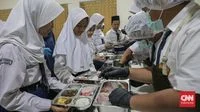
On the morning of October 19, food preparation units coordinated closely with the administrative staff of SD Al Iqro to set up the buffet tables prior to the scheduled recess. Teachers guided the 64 sixth-grade students through the procedural steps of the buffet line, which emphasized hand hygiene, orderly queuing, and mindful portion selection. Throughout the three-day period, monitors observed the flow of students, tracking how quickly the line moved and whether the self-service format created congestion in the dining area.
By the conclusion of the trial on October 21, field evaluators compiled comprehensive data regarding consumption rates, food preservation temperatures, and student behavioral responses. The findings were systematically documented and subsequently escalated through administrative channels to the central leadership of the National Nutrition Agency. While permanent adoption of the buffet model remains subject to overarching national policy decisions, local coordinators have positioned the Mataram trial as a viable blueprint for future regional rollouts.
Key Findings and Evaluative Metrics
Comprehensive field evaluations conducted by the BGN regional team identified four primary pillars of success during the SD Al Iqro trial. These findings provide empirical backing for the potential transition from pre-packaged box meals to interactive, buffet-style school nutrition programs across Indonesia.
First, the trial achieved near-total consumption efficiency, colloquially categorized as a near zero-waste outcome. Traditional distribution methods often force standardized portions onto students, leading to discarded vegetables, grains, or proteins that children either dislike or find unmanageable in quantity. By allowing students to curate their plates based on individual appetites, the buffet system ensured that children only took what they intended to consume. Consequently, plate waste dropped to negligible levels over the three-day period.
Second, the structural setup preserved the culinary integrity and warmth of the food. Meals served in closed plastic or paper boxes often lose their optimal serving temperature and texture by the time consumption begins, which can diminish appetite. In contrast, the buffet arrangement utilized chafing dishes and thermal holding equipment, ensuring that hot items remained steaming and fresh. Evaluators noted a marked improvement in the general enthusiasm and appetite of both students and faculty members.
Third, the self-service mechanism served as an organic classroom for behavioral development. The act of navigating a buffet line requires adherence to social etiquette and personal hygiene protocols. Students practiced critical public health behaviors, including mandatory handwashing before approaching the food counters and maintaining structured queues. Educational specialists involved in the monitoring process emphasized that these habitual routines reinforce lessons learned in health and citizenship classes.
Finally, the visual presentation of the food played a significant psychological role in encouraging consumption. The arrangement featured neatly organized trays displaying a diverse array of balanced nutritional components—carbohydrates, proteins, vegetables, and fruit. This vibrant presentation not only stimulated visual appeal but also educated recipients on the concept of a balanced plate, inspiring children to engage more actively with nutrient-dense options.
Broader Implications for National Nutrition Programs
The successful outcome of the Mataram trial arrives at a critical juncture for Indonesia’s national school feeding initiatives. As the government scales up nationwide distribution to support millions of school children, identifying cost-effective, sustainable, and waste-reducing methodologies is paramount. Food waste within institutional feeding programs represents not only a financial inefficiency but also an environmental concern, particularly when organic waste accumulates in municipal landfills.
By demonstrating that buffet-style service can mitigate waste while enhancing food quality, the BGN pilot at SD Al Iqro offers valuable insights for urban school environments. Urban settings typically possess the infrastructure required to support thermal food maintenance and structured dining spaces, making the buffet model increasingly feasible for schools with dedicated cafeterias or multipurpose halls.
Furthermore, the integration of public health habits into daily feeding routines aligns with broader national health objectives, such as reducing stunting, combating micronutrient deficiencies, and promoting long-term preventive healthcare through hygiene education. When children take an active role in serving their own meals, they transition from passive recipients of aid to engaged participants in their own nutritional well-being.
Official Responses and Future Outlook
Reflecting on the successful execution of the trial, M Rizky Prasetyo emphasized that the empirical data gathered in Mataram has been formally submitted to higher-level authorities within the National Nutrition Agency. The reporting structure ensures that regional innovations are properly vetted by central policymakers who hold the authority to institutionalize structural changes across the broader national framework.
"We have presented a thorough evaluation of the positive outcomes observed at SD Al Iqro," Prasetyo stated during a review of the project. "It is our hope that these findings can serve as a reliable benchmark and reference point for strengthening the governance and distribution mechanics of the MBG program, not only here in Mataram City but across surrounding districts as well."
While local coordinators await formal directives from the central leadership, the operational readiness of regional teams remains high. The trial has demonstrated that with proper supervision, institutional commitment, and adequate infrastructure, alternative distribution models can successfully overcome the traditional pitfalls of school catering. As the National Nutrition Agency continues to review operational strategies, the lessons learned from the children and teachers at SD Al Iqro will undoubtedly inform the ongoing evolution of Indonesia’s school nutrition landscape, setting a high standard for efficiency, hygiene, and student satisfaction.