
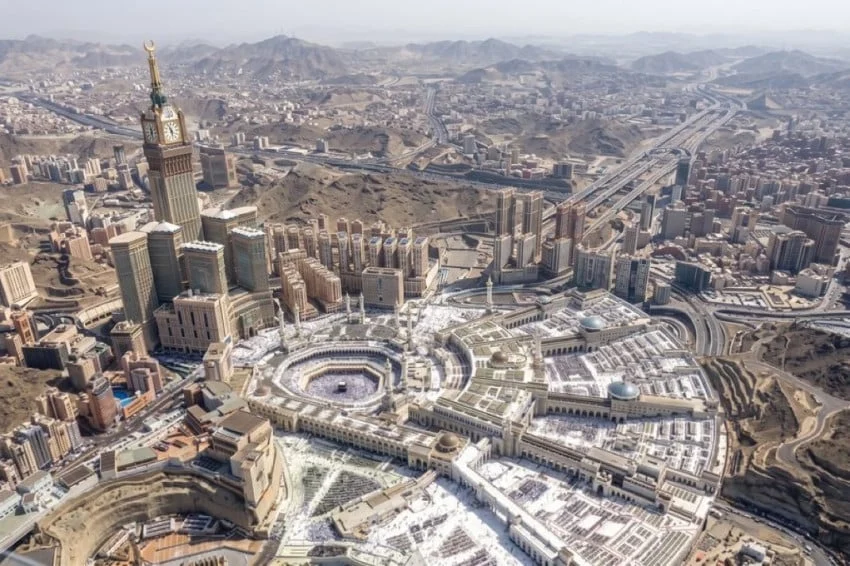
The recent drone attack targeting the holy city of Mecca has sent shockwaves across the Islamic world, reigniting intense geopolitical debates regarding regional security, the protection of sacred sites, and the potential activation of mutual defense frameworks. The incident, attributed to Houthi movement elements, prompted a swift and unequivocal condemnation from international leaders, most notably Pakistani Prime Minister Shehbaz Sharif. As tensions in the Middle East threaten to breach unprecedented red lines, the security architecture of the region—particularly the informal defense understandings often referred to as the "Mecca Alliance" involving major Muslim-majority nations like Pakistan and Turkey—faces a critical stress test. This comprehensive report examines the background of the attack, the official reactions, the strategic implications for Saudi Arabia and its allies, and the broader context of the ongoing conflict involving the Houthi movement.
Background Context: The Escalation of Aerial Threats Against the Kingdom
For nearly a decade, the Kingdom of Saudi Arabia has found itself on the frontline of a protracted regional conflict stemming from the civil war in neighboring Yemen. Following the Houthi takeover of the Yemeni capital, Sanaa, in late 2014, and the subsequent formation of the Saudi-led military coalition in March 2015, the Kingdom has routinely faced cross-border aerial assaults. These attacks have primarily utilized ballistic missiles and explosive-laden kamikaze drones targeting critical infrastructure, including oil facilities, airports, and military installations.
However, attacks directed toward the holy sites of Mecca and Medina carry a profoundly different symbolic and emotional weight. For the global community of nearly two billion Muslims, Mecca is the spiritual epicenter of Islam, housing the Masjid al-Haram and the Kaaba. Any hostile military action targeting this geographic location transcends standard geopolitical conflict, transforming into a deeply sensitive religious flashpoint.
In previous years, similar aerial threats intercepted by the Royal Saudi Air Defense Forces sparked universal outrage from international organizations, the Organisation of Islamic Cooperation (OIC), and individual governments worldwide. The latest incident revives memories of those tense moments, raising urgent questions about the operational capabilities of Saudi air defense systems and the reliability of deterrence strategies against asymmetric warfare tactics employed by non-state actors backed by advanced missile and drone technology.
Chronology of the Incident and Immediate Response
While precise technical details of the interception continue to be assessed by military analysts, the sequence of events unfolded rapidly mid-week. According to official military reports and subsequent statements released by allied leaders, an incoming drone—suspected of being launched from Houthi-controlled territories in Yemen—was detected targeting the vicinity of Mecca.
The Royal Saudi Air Defense Forces demonstrated high-level operational readiness, successfully intercepting and neutralizing the aerial threat before it could reach its intended target or cause structural damage and civilian casualties. The rapid response effectively averted what could have been a catastrophic humanitarian and cultural disaster.
Prime Minister Shehbaz Sharif of Pakistan was among the first international heads of state to officially address the incident. Taking to the social media platform X (formerly Twitter), Sharif issued a stern condemnation. "I strongly condemn the cowardly and vile drone attack attempt targeting the Holy Site of Mecca," Sharif wrote, capturing the sentiment of millions of Muslims worldwide. He further emphasized that the people of Pakistan felt deep sorrow and agitation regarding the provocation against Islam’s holiest sanctuary.
Strategic Implications and the "Mecca Alliance" Question
The thwarted attack has brought the concept of the "Mecca Alliance" back into sharp focus among regional security analysts. While no formal treaty explicitly bears the name "Mecca Alliance," the term frequently surfaces in geopolitical discourse to describe the longstanding, multifaceted strategic, intelligence, and military cooperation between Saudi Arabia, Pakistan, and Turkey—three pillars of the Sunni Muslim world with significant military capabilities.
Pakistan maintains a historic, robust defense relationship with Saudi Arabia. This partnership is anchored by formal bilateral defense protocols, training missions, and the stationing of Pakistani military personnel in the Kingdom in an advisory and protective capacity. Historically, Islamabad has maintained a policy of balancing regional relationships to avoid entanglement in foreign sectarian conflicts; however, the defense of the Two Holy Mosques (Haramain Sharifain) has traditionally been viewed by Pakistani leadership and its public as a sacred and non-negotiable commitment.

The question of whether Pakistan—and potentially Turkey—would escalate its military support or formalize a broader mutual defense pact in response to persistent Houthi threats remains complex. Prime Minister Sharif’s recent statements praised the "vigilance, bravery, and professionalism" of the Royal Saudi Armed Forces, signaling confidence in Riyadh’s current capacity to defend its sovereign territory. Nevertheless, the psychological impact of targeting Mecca forces military planners in Islamabad, Ankara, and Riyadh to reassess security cooperation parameters.
Diplomatic Appeals for Restraint and the Path Forward
Despite the gravity of the provocation, international reactions have overwhelmingly emphasized the urgent need to prevent a wider regional conflagration. In his public statements, Prime Minister Sharif deliberately balanced his condemnation of the attack with a strong appeal for de-escalation.
Sharif urged all stakeholders involved in the conflict theater to exercise "maximum restraint" and refrain from actions that could trigger a deeper cycle of retaliation. He reiterated Pakistan’s longstanding diplomatic stance that sustainable peace, stability, and security in the Middle East cannot be achieved through prolonged military confrontation, but rather through inclusive political dialogue and active diplomacy.
This sentiment is widely shared by international observers and regional mediators working to cement a permanent truce in Yemen. The Houthi movement, which has engaged in tentative peace talks with Saudi officials mediated by Oman and the United Nations, faces mounting international pressure to cease cross-border hostilities. Analysts note that reckless escalatory actions, particularly those threatening international trade routes or religious sanctuaries, severely undermine ongoing peace initiatives and risk provoking overwhelming military retribution from the coalition.
Fact-Based Analysis of Regional Implications
The attempted drone strike on Mecca, though neutralized, carries several far-reaching implications for the geopolitical landscape of the Arabian Peninsula:
-
Technological Challenges in Air Defense: Asymmetric warfare, characterized by the proliferation of low-cost, long-range loitering munitions (kamikaze drones) and cruise missiles, continues to pose severe technical challenges to even the most sophisticated air defense networks. The incident underscores the necessity for continuous technological upgrades, advanced radar integration, and electronic warfare capabilities for Gulf security forces.
-
Red Lines in Regional Deterrence: Targeting sacred sites crosses a distinct red line that hardens political resolve within Saudi Arabia and alienates potential regional sympathizers of the Houthi cause. This consolidation of opposition can stiffen military postures and complicate diplomatic efforts aimed at reaching a negotiated settlement in Yemen.
-
The Role of External Powers: The active diplomatic stance of nations like Pakistan highlights the interconnected nature of security in the broader Middle East and South Asia. Any sustained threat to the territorial integrity of Saudi Arabia forces external allies to calibrate their foreign policies carefully, balancing domestic political sensitivities with strategic alliance obligations.
Conclusion
The failed drone attack targeting Mecca serves as a stark reminder of the fragile security environment prevailing in the Middle East. While the swift action of the Royal Saudi Air Defense Forces successfully averted a tragedy, the incident has amplified anxieties regarding the persistent capabilities of non-state actors to project power across borders. As leaders like Pakistan’s Prime Minister Shehbaz Sharif condemn the act while simultaneously advocating for diplomatic restraint and dialogue, the international community watches closely to see whether the parties involved can pull back from the brink of renewed escalation or if the sacred sanctuary’s sanctity will be continuously exploited for political and military leverage.


