JAKARTA — The administration of Indonesian President Prabowo Subianto faces growing calls from political observers to restructure its internal management style. Concerns have been raised that the executive branch remains overly dependent on a single central figure, which critics argue undermines the institutional efficacy of the Vice President, coordinating ministers, and sector-specific cabinet members.
The critique highlights a pressing need to shift from what is described as a "Superman" management model—where the chief executive is expected to personally intervene in every major crisis—toward a cohesive "super team" framework capable of distributing responsibilities and addressing complex national challenges autonomously.
The Core Critique: Moving Beyond Prabowo-Centric Governance
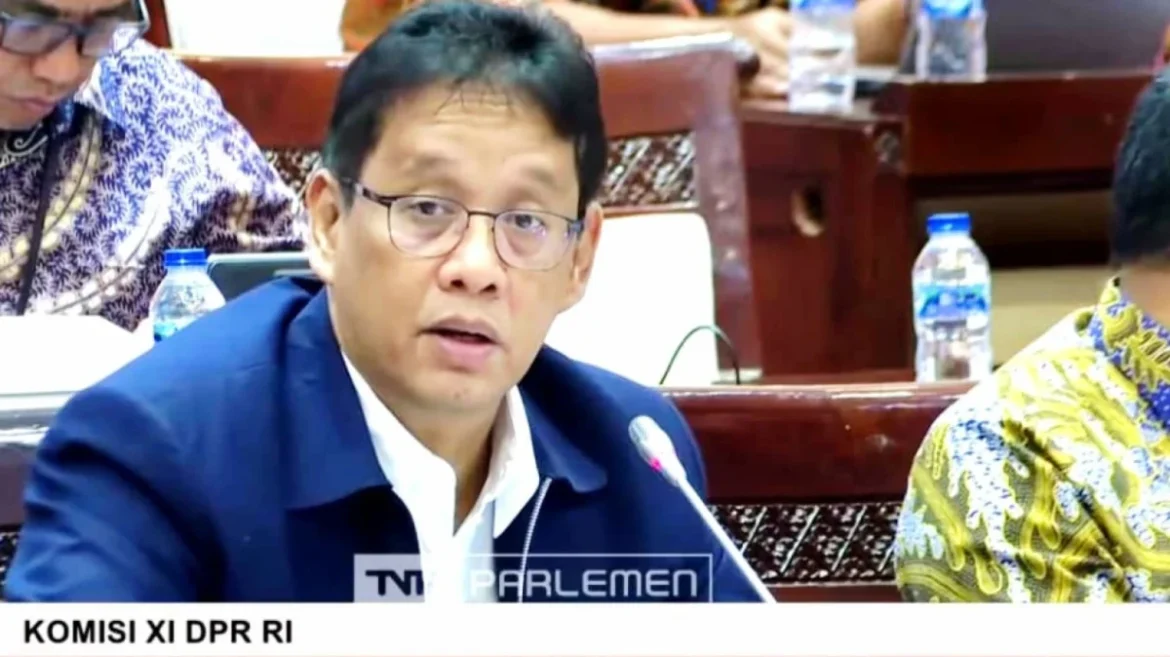
The debate intensified following recent evaluations by political analysts regarding the operational dynamics of the current administration. Speaking on a prominent national television current affairs program, political analyst Agung Baskoro pointed out that despite the scale and complexity of the issues facing Indonesia, the primary burden of conflict resolution and crisis management continues to fall directly on President Prabowo Subianto.
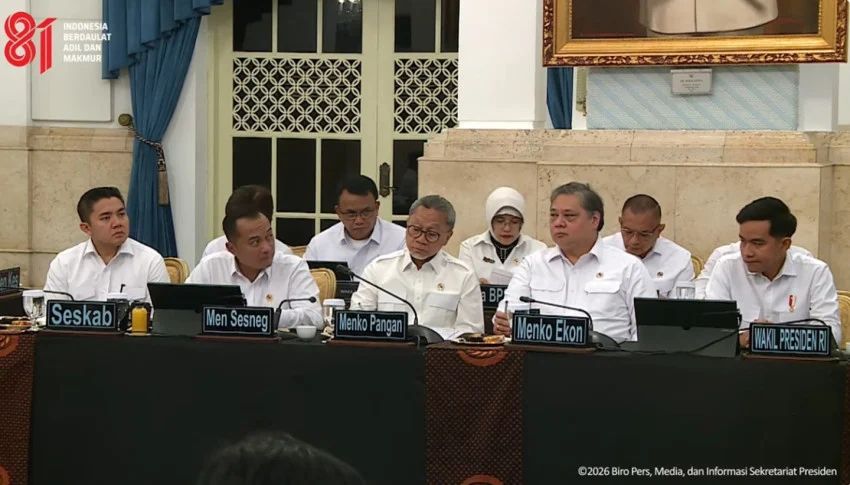
Baskoro emphasized that this high degree of centralization risks marginalizing other high-ranking state officials. Specifically, he noted that Vice President Gibran Rakabuming Raka has occasionally appeared detached from prominent policy interventions, leading to public perceptions that the vice-presidential office is underutilized. Furthermore, analysts argue that various coordinating ministries (Menko) have yet to fully demonstrate the substantive authority required to preemptively resolve systemic issues before they escalate to the presidential office.
"When we look at how problems are handled, it is frequently President Prabowo who steps in to extinguish the fires," Baskoro observed during the televised discussion. He cautioned that if this operational pattern persists, the functional relevance of the Vice President, coordinating ministers, and sector ministers risks being severely diminished, ultimately leading to institutional bottlenecks.
Structural Implications and Cabinet Dynamics
The appeal to dismantle the Prabowo-centric approach touches upon fundamental principles of modern state administration in a presidential system. Indonesia’s governance model relies heavily on delegation through the cabinet structure, where coordinating ministries—overseeing economic affairs, political and security matters, human development, and infrastructure—are designed to act as policy filters and operational hubs.
When these ministries operate merely as symbolic entities rather than substantive power centers, several administrative vulnerabilities emerge:
- Presidential Overload: The head of state becomes bogged down by micro-management and localized crisis intervention, detracting from long-term strategic planning and international diplomacy.
- Delayed Bureaucratic Response: Lower-level agencies and regional offices hesitate to make autonomous decisions, frequently waiting for direct directives or interventions from the presidential palace.
- Diminished Ministerial Accountability: Accountability becomes blurred when the public and stakeholders attribute both successes and failures exclusively to the president rather than the responsible department heads.
Observers argue that transforming the cabinet into a true "super team" requires President Prabowo to deliberately empower his ministers, grant them clear operational mandates, and hold them strictly accountable for outcomes within their respective portfolios.
Public Communication Challenges and Government Messaging
Beyond internal administrative coordination, the critique extends to the government’s public communication strategy. Analysts have underscored the necessity of establishing a unified, disciplined framework for delivering state policies to the public.
While the administration has engaged institutional mechanisms such as the Presidential Staff Office (KSP) and specialized communication bureaus to streamline messaging, instances of inconsistent statements—colloquially referred to as "slips of the tongue" or uncoordinated remarks by public officials—continue to surface. Experts warn that disjointed public communication not only creates public confusion but can also erode domestic confidence and unsettle foreign investors who rely on clear, predictable signals from the government.
A standardized communication protocol is viewed as essential for ensuring that all cabinet members speak with a single voice, particularly on sensitive economic and security matters. Without stringent message discipline, the administration risks generating unnecessary policy noise that can overshadow genuine legislative and executive achievements.
Economic Realities and the Demand for Institutional Solidification
The debate over executive management style occurs against a backdrop of complex economic challenges. Over the past year, the government has had to deploy targeted economic stimulus packages to counter lingering market contractions and inflationary pressures affecting various segments of the population.
These economic interventions have brought the performance of the administration’s economic team under intense scrutiny. Observers note that the success of national economic policies cannot rely solely on individual leadership effects or isolated interventions. Instead, a robust, institutionalized economic team must demonstrate consistent coordination, foresight, and rigorous implementation capacity.
The administration’s ability to navigate future fiscal hurdles will depend largely on whether it can successfully institutionalize decision-making processes, ensuring that ministries function as a synchronized unit capable of sustaining long-term growth and stability without placing the entire weight of governance on the shoulders of the president.