JAKARTA — The governance structure of President Prabowo Subianto’s administration has come under intense scrutiny from political observers, who argue that an over-reliance on a single central figure risks undermining the efficacy of the broader executive branch. Speaking during a current affairs program on Tuesday, October 21, 2025, prominent political analyst Agung Baskoro highlighted what he termed a persistent "Superman management" approach within the current administration. According to Baskoro, this Prabowo-centric framework has inadvertently marginalized the roles of Vice President Gibran Rakabuming Raka, the coordinating ministers, and the wider sectoral cabinet, leaving key governance mechanisms underutilized.
The discussion, broadcasted from Jakarta, focused heavily on the structural and functional dynamics of the executive branch as it approaches critical milestones in its legislative and programmatic agenda. Baskoro’s critique centers on the notion that the chief executive frequently remains the sole firefighter addressing high-profile national issues, a phenomenon he warns could diminish the institutional weight and operational necessity of subordinate offices. As the administration navigates a complex socioeconomic landscape, analysts and political insiders are increasingly debating whether the traditional hierarchical distribution of labor is functioning as intended or if structural reforms are urgently required to ensure sustainable governance.
Background and Context of the Prabowo Administration
To understand the weight of these criticisms, it is necessary to examine the foundational architecture of President Prabowo Subianto’s cabinet. Formed following a decisive electoral victory, the administration was intentionally designed as a "grand coalition," incorporating a wide array of political parties and technocratic figures to ensure legislative stability and broad national representation. However, this expansive cabinet—comprising numerous ministries, newly established oversight bodies, and specialized agencies—has inherently presented management challenges.
Historically, Indonesian presidential systems lean toward strong executive leadership. Yet, modern governance demands a high degree of delegation, particularly given the multifaceted crises facing developing economies in the mid-2020s, ranging from global supply chain realignments to domestic inflationary pressures. The inclusion of Vice President Gibran Rakabuming Raka, representing the continuation of youth-oriented and infrastructural momentum from the previous administration, was framed as a bridge between generations of leadership. Despite this, public and analytical perceptions of the Vice President’s portfolio have varied, with some stakeholders arguing that his specific policy domains lack clear visibility.
The Critique of "Superman" Versus "Super Team" Management
During his televised analysis, Baskoro articulated a framework that contrasts individual-centric leadership with collaborative institutional capacity. He emphasized that the complexity of contemporary statecraft precludes any single leader from effectively diagnosing, troubleshooting, and resolving every systemic issue without robust institutional support.
"We need to transition from a Superman management style, which is excessively Prabowo-centric, to a true super team," Baskoro stated. He elaborated that the cabinet must be fully equipped to autonomously process, absorb, and respond to systemic shocks. When national crises—whether economic, social, or administrative—are consistently addressed solely by the president, it creates a bottleneck in executive processing and devalues the authority of lower-tier executive offices.
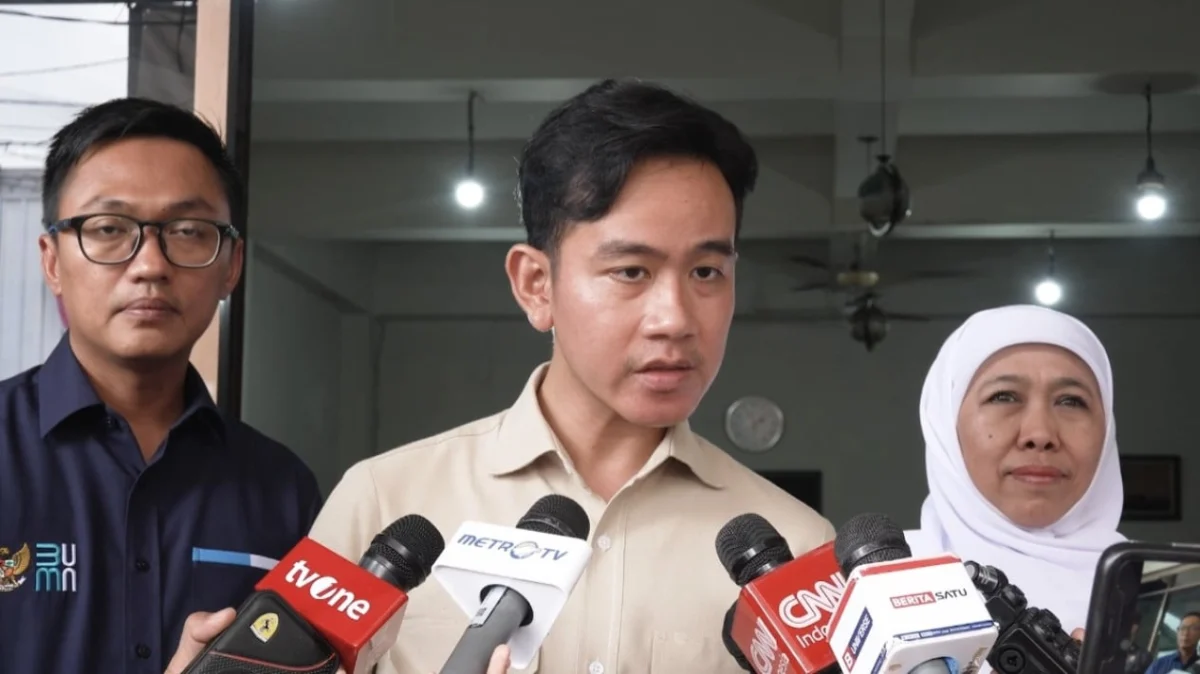
Particular attention was directed toward the roles of the Vice President and the coordinating ministers (Menko). Baskoro colorfully described the Vice President’s current positioning in the public eye as "between existence and non-existence," suggesting that greater substantive portfolios and visible policy leadership should be delegated to the office. Similarly, he noted that the coordinating ministers—who serve as the primary operational filters for sectoral ministries—have often appeared symbolic rather than actively driving structural resolutions.
"If this pattern continues, it risks rendering the Vice President, the coordinating ministers, and the wider cabinet essentially useless," Baskoro warned, stressing that a centralized troubleshooting model is neither sustainable nor effective in the long term.
Implications for Public Communication and Government Messaging
Beyond internal ministerial delegation, the analyst raised serious concerns regarding the administration’s public communication strategy. While acknowledging that structural additions such as the Presidential Staff Office (KSP), the Communication Agency (Bakom), and the Communications and Public Relations Body (BKP) represent institutional attempts to streamline messaging, execution remains inconsistent.
Inconsistent public messaging by high-ranking officials has occasionally led to contradictory policy announcements, public confusion, and what political scientists term "slip of the tongue" incidents. Baskoro argued that a unified, rigorous communication guideline is imperative to ensure that every government representative speaks with a synchronized voice.
"We need to avoid frequent slips of the tongue and erratic statements," Baskoro noted. "If left unchecked, this lack of synchronized communication can erode public trust and diminish confidence among international stakeholders and foreign investors who rely on predictability and clarity from emerging market economies."
Economic Realities and the Demand for Ministerial Accountability
The critique of administrative structure is closely tied to ongoing economic anxieties. The administration has faced persistent challenges regarding domestic consumption and macroeconomic indicators, necessitating government stimulus packages deployed over the preceding year. These fiscal interventions underscore the reality that the administration’s economic team must demonstrate heightened vigilance, strategic cohesion, and independence from episodic market boosts.
Baskoro pointedly referenced the need for the economic ministries to operate with sustained focus, steering clear of over-reliance on individual market phenomena or temporary sentiment shifters—colloquially referred to in local financial circles as the "Purbaya Effect." True economic resilience, analysts argue, requires institutionalized policy frameworks rather than sporadic administrative interventions.
Broader Political Implications and Future Outlook
The observations shared by political observers reflect a broader debate within Indonesia’s political sphere regarding the optimal balance of power between the presidency and the ministerial apparatus. As the Prabowo administration continues to roll out its signature national programs—ranging from food security initiatives to free nutritional programs for school children—the demand for flawless operational execution has never been higher.
Political scientists suggest that the structural critiques raised by analysts like Baskoro may serve as a constructive catalyst for mid-term administrative evaluations. Historically, Indonesian administrations have periodically reshuffled cabinets or recalibrated internal Standard Operating Procedures (SOPs) to address bottlenecks in governance. Whether the executive branch will heed these calls to empower coordinating ministers and clarify the institutional footprint of the vice presidency remains to be seen.
Ultimately, the trajectory of the Prabowo presidency will likely depend on its capacity to institutionalize success. By shifting from an individual-led crisis management model to a delegated, empowered collective leadership structure, the administration can mitigate burnout at the top while fostering accountability, competence, and clarity across all tiers of the state apparatus.