Xiaomi has officially expanded its footprint in the Indonesian smartphone market with the launch of the highly anticipated Redmi Note 17 Series. Among the new lineup, the Redmi Note 17 Pro Max 5G has emerged as the flagship model, setting a new industry benchmark by integrating a massive 10,000 mAh battery—the largest capacity ever deployed by Xiaomi in a commercially released device within the archipelago. The product announcement took place in Jakarta on Wednesday, September 16, 2026, marking a significant milestone in Xiaomi’s strategy to prioritize endurance and high-performance hardware for the mid-to-high tier segment.
A New Era of Battery Endurance
The headline feature of the Redmi Note 17 Pro Max 5G is undoubtedly its power delivery system. By utilizing advanced silicon-carbon battery technology, Xiaomi has managed to pack 10,000 mAh of energy into a chassis that remains ergonomically viable. During the press event, Xiaomi representatives emphasized that this capacity is designed to sustain up to three days of moderate usage on a single charge.
To mitigate the time-intensive process of charging such a large cell, the device incorporates 100W HyperCharge technology. Furthermore, the phone supports wired reverse charging up to 27W, allowing it to function as a power bank for other mobile devices or accessories. Xiaomi’s battery management software has been optimized to maintain 80 percent health even after 1,600 charging cycles, which the company estimates translates to approximately six years of typical daily usage. This focus on longevity reflects a shift in consumer demand, where users increasingly prioritize device lifespan and reliable power management over marginal gains in raw processing power.
Technical Specifications and Performance
Under the hood, the Redmi Note 17 Pro Max 5G is powered by the Qualcomm Snapdragon 6 Gen 5 chipset. While this processor focuses on balancing efficiency with power, it is paired with 8 GB of RAM and storage options of either 256 GB or 512 GB, ensuring that the device can handle demanding multitasking scenarios.
The visual experience is delivered through a 6.83-inch AMOLED display with a 1.5K resolution. The inclusion of a 120Hz refresh rate ensures fluid animations, which are particularly beneficial for gaming, media consumption, and navigating the interface of Xiaomi HyperOS 3. Built upon the foundation of Android 16, HyperOS 3 represents Xiaomi’s latest effort to streamline the user experience through deeper integration with artificial intelligence. Xiaomi has committed to a long-term software support cycle, promising four major Android OS updates and six years of security patches, aligning the device with modern standards for software longevity.
Advanced Computational Photography
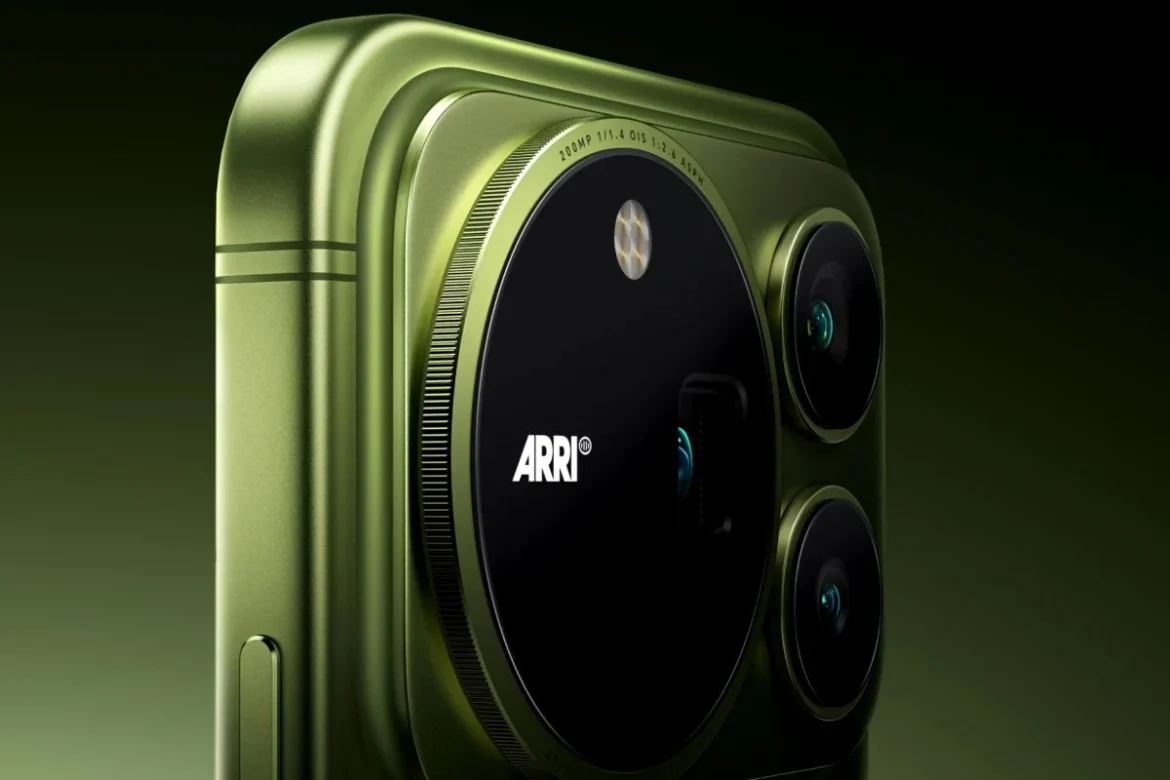
The imaging capabilities of the Redmi Note 17 Pro Max 5G have been meticulously crafted to compete with higher-end market offerings. The primary camera features a 50-megapixel sensor equipped with Optical Image Stabilization (OIS), which significantly improves photo clarity in low-light conditions and stabilizes video recording. This is complemented by an 8-megapixel ultra-wide sensor for expansive landscape photography.
On the front, the device sports a 32-megapixel selfie camera capable of 4K video recording at 30 frames per second, catering to the needs of content creators and professionals who rely on high-quality video calls. Beyond the hardware, Xiaomi has integrated a suite of AI-driven tools, including AI Creativity Assistant, AI Glare Removal, AI Erase Pro, and AI Image Enhancement. The integration of Google Gemini and the "Circle to Search" feature further cements the device’s position as a productivity-oriented tool, leveraging cloud-based AI to assist users in their daily workflows.
Unrivaled Durability Standards
Xiaomi has implemented its "REDMI Titan Quality" initiative to ensure the physical integrity of the Redmi Note 17 Pro Max 5G. The device holds an extensive array of ingress protection certifications, including IP66, IP68, IP69, and IP69K. The inclusion of the IP69K rating is particularly notable, as it indicates the phone is protected against high-pressure, high-temperature water jets, a standard rarely seen in the consumer smartphone market.
To validate these claims, the device underwent rigorous testing, including a 72-hour submersion test at a depth of two meters. The handset has also been awarded the TÜV SÜD 5-star Titan Quality Certification, which assesses the phone’s structural resilience against drops, water, and general mechanical stress. This level of durability suggests that Xiaomi is targeting users in challenging environments, as well as those seeking a device that can withstand the rigors of long-term daily use without degradation.
Market Positioning and Pricing
The Redmi Note 17 Pro Max 5G is positioned as the top-tier offering within the series, catering to a demographic that values both technological novelty and sustained reliability. The pricing structure for the Indonesian market is as follows:
- 8 GB/256 GB variant: IDR 7,499,000
- 8 GB/512 GB variant: IDR 8,499,000
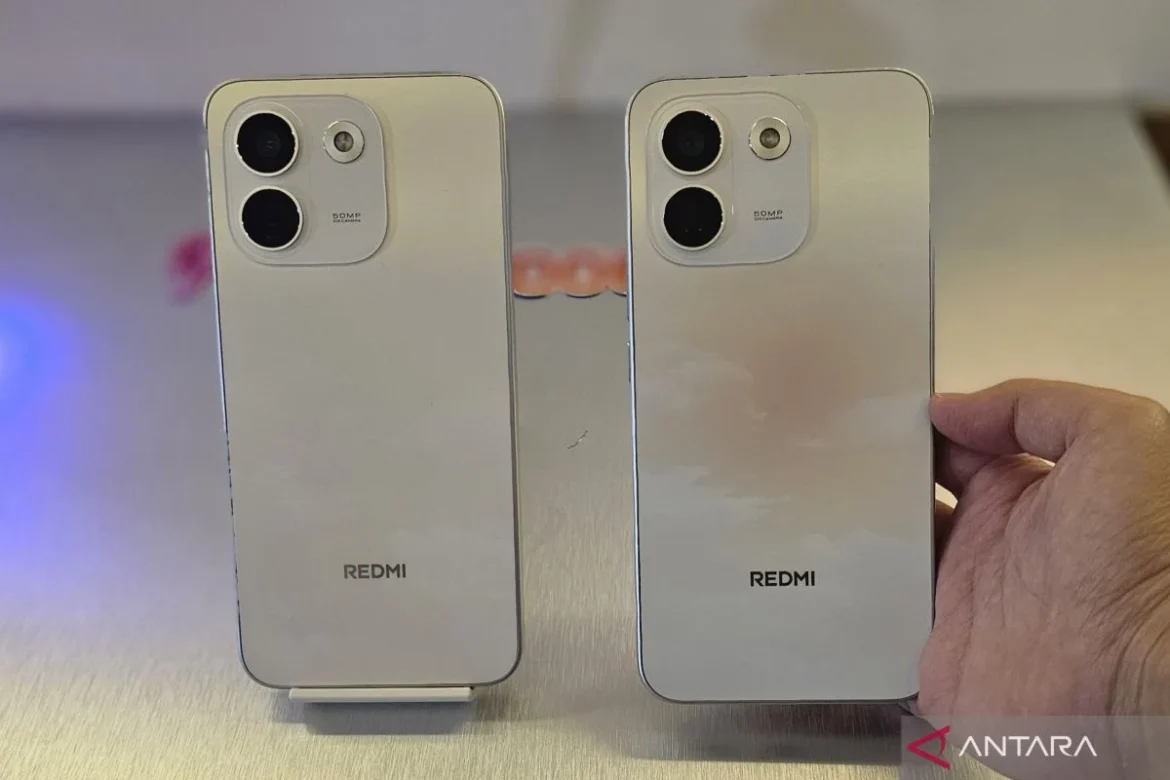
The device is available in three distinct colorways: Cloud Peach, Green, and Black. The pre-order phase, which commenced on September 16, 2026, runs until September 24, 2026, across Xiaomi’s official online and physical retail channels. General market availability is scheduled for September 25, 2026.
Strategic Context and Industry Implications
The release of the Redmi Note 17 Pro Max 5G occurs against a backdrop of intensifying competition in the Indonesian smartphone sector. Brands such as Honor, Oppo, and Samsung have recently updated their portfolios with devices emphasizing niche strengths—such as high-capacity batteries or specialized camera sensors. By choosing to lead with a 10,000 mAh battery, Xiaomi is effectively differentiating itself from competitors who are largely focused on thin-and-light form factors.
Industry analysts observe that this move is a calculated response to the "range anxiety" often associated with modern smartphones, which are increasingly burdened by power-hungry 5G connectivity and high-resolution displays. By bridging the gap between a standard smartphone and a heavy-duty device, Xiaomi may be creating a new sub-category that appeals to field workers, travelers, and power users who are currently underserved by traditional flagships.
Furthermore, the commitment to six years of software and security support reflects an evolving industry standard. As the global smartphone market reaches a level of maturity, consumers are keeping their devices for longer periods. Xiaomi’s alignment with this trend, coupled with the focus on physical durability, positions the Redmi Note 17 Pro Max 5G as an investment-grade product rather than a transient gadget.
Conclusion
The launch of the Redmi Note 17 Pro Max 5G in Indonesia marks a bold evolution for the Redmi Note lineage. By combining record-breaking battery capacity with top-tier ingress protection and long-term software support, Xiaomi has addressed the primary pain points of the modern mobile user. While the device sits at a premium price point within its series, the convergence of hardware longevity and functional utility suggests that it will be a significant contender in the Indonesian market throughout the 2026-2027 cycle. As the device enters the retail phase later this month, the industry will be watching closely to see how consumers react to a phone that prioritizes endurance as its defining characteristic.