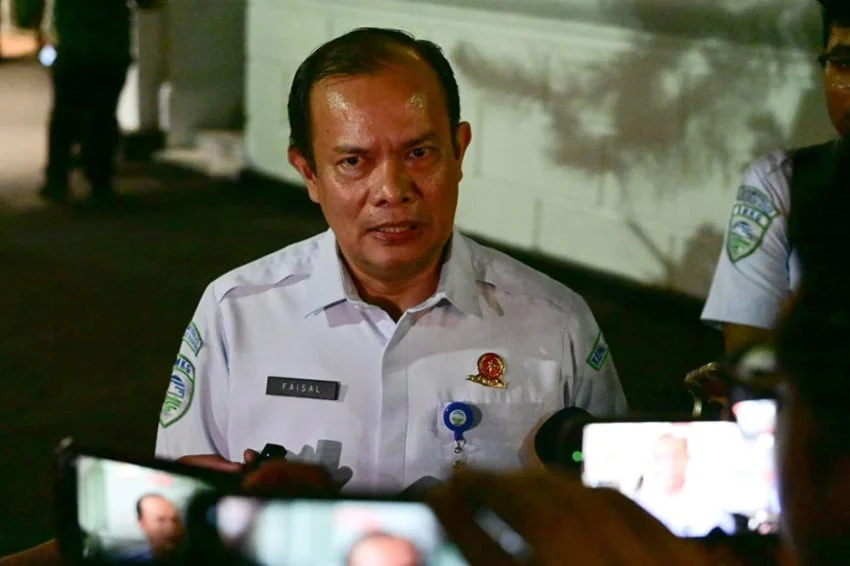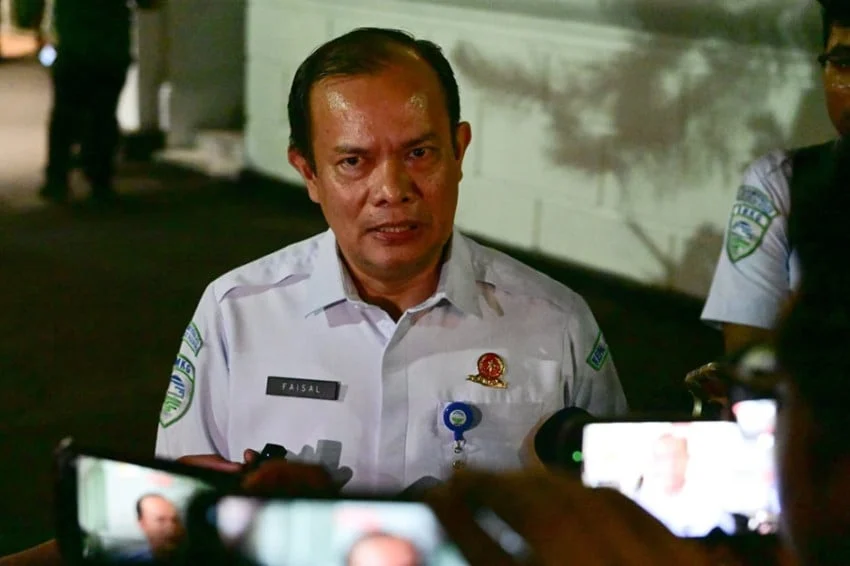
The Indonesian government has introduced a strategic shift in its wildfire mitigation protocols, placing a renewed emphasis on localized, ground-level intervention through the implementation of shallow drilling techniques. Teuku Faisal Fathani, the newly appointed Head of the Meteorology, Climatology, and Geophysics Agency (BMKG), announced this tactical advancement following a high-level limited cabinet meeting at the Presidential Palace in Jakarta on Thursday, September 24, 2026. The strategy, which aims to address the persistent challenges of peatland fires—notorious for their resilience and difficulty to extinguish—marks a departure from over-reliance on aerial water bombing by prioritizing rapid-response ground operations.
The Shallow Drilling Initiative: A Technical Overview
At the core of the government’s new firefighting doctrine is the deployment of portable pumping systems coupled with shallow borehole drilling. According to Faisal, this method is specifically engineered for the unique hydrology of Indonesia’s peatlands, which often remain combustible deep underground even after surface fires appear suppressed.
The technical mechanism is relatively straightforward yet highly effective in rural, resource-constrained environments. By drilling shallow wells in proximity to active fire zones, ground task forces can access the water table directly beneath the peat layers. Portable, high-pressure pumps are then deployed to draw this water, creating a localized irrigation network that can effectively hydrate the soil and suppress flames within a 200-meter radius of each borehole.
"We are significantly strengthening our ground task forces to ensure direct intervention in affected areas," Faisal stated during his briefing at the Presidential Palace. "The shallow drilling method allows us to sustain firefighting efforts in remote locations where water sources are scarce, providing a constant water supply for suppression operations without the need for complex, heavy machinery."
Historical Context and the Persistence of Peatland Fires
Indonesia’s struggle with forest and land fires (karhutla) is a perennial crisis that has profound environmental, health, and economic consequences. Peatlands, which cover vast swathes of Sumatra and Kalimantan, are essentially massive stores of carbon. When these areas ignite, they release dense, hazardous haze that affects the entire Southeast Asian region, frequently triggering diplomatic tensions with neighboring countries like Malaysia and Singapore.
The urgency of this initiative stems from the cyclical nature of these disasters. Historically, the government has relied heavily on aerial water bombing (the "water bombing" approach) and cloud seeding. While these methods provide a visible deterrent, they are often insufficient for deep-seated peat fires. Peat fires can smolder for months underground, fueled by the organic material of the soil itself, which acts as a dense, dry fuel source.
The decision to pivot toward ground-level technical solutions reflects a realization that the previous strategies were reactive rather than proactive. By decentralizing the firefighting response, the government aims to mitigate the "lag time" associated with deploying aircraft to remote locations, where weather conditions often render aerial operations dangerous or ineffective.
Chronology of Policy Shifts
The discussion surrounding the shallow drilling technique is part of a broader, accelerated timeline of environmental policy reforms initiated by the administration of President Prabowo Subianto.
- Early 2026: The administration identified peatland management as a national security priority, following reports of early-season dry spells that threatened to mirror the catastrophic fires of 2015 and 2019.
- Mid-2026: Initial feasibility studies on local-scale water management were conducted by the BMKG and the Ministry of Environment.
- September 2026: The announcement of the National Peat and Mangrove Management Agency (BPGMN), a new regulatory body formed to centralize fire prevention and land restoration under the direct oversight of the President.
- September 24, 2026: The formal presentation of the shallow drilling tactical strategy during the cabinet meeting at the Presidential Palace.
The Role of Community Engagement
Beyond the technical hardware, the government is emphasizing the human element of fire suppression. The administration plans to revitalize and formalize the "Community Care for Fire" groups (Masyarakat Peduli Api). These groups are essentially village-level volunteers trained in the operation of the portable pumps and the maintenance of the shallow boreholes.
Sociologists and environmental experts suggest that community involvement is critical for the success of such policies. By empowering villagers to protect their own land, the government fosters a sense of ownership and vigilance that professional, centralized task forces often lack. These local groups are expected to act as the first line of defense, identifying small fires before they escalate into uncontrollable conflagrations.
Fact-Based Analysis: Challenges and Implications
While the shallow drilling strategy presents a pragmatic solution, experts have identified several challenges that could impact its efficacy. First, the success of the project depends heavily on the accuracy of meteorological forecasting. The BMKG’s role is not just to provide the technology but to ensure that "hotspot" prediction models are precise enough to allow for the pre-deployment of equipment to high-risk zones.
Second, there is the issue of infrastructure. While the equipment is portable, the logistics of transporting drilling gear and pumps to remote peatland areas—often accessible only by river or narrow dirt tracks—remains a formidable challenge.
Furthermore, the environmental implications of widespread drilling must be carefully monitored. Indiscriminate drilling into the water table could potentially alter the local hydrology of peat ecosystems. Therefore, the implementation of this strategy must be accompanied by stringent environmental impact assessments to ensure that the cure for the fire does not exacerbate the degradation of the peatland ecosystem itself.
Economic and Environmental Impact
The economic cost of forest fires in Indonesia is staggering. Studies by the World Bank have previously estimated that annual fire seasons can cost the Indonesian economy billions of dollars in lost productivity, healthcare expenditures related to respiratory illnesses, and the destruction of agricultural output.
By investing in low-cost, high-efficiency ground solutions, the government is attempting to reduce these externalities. The shift also aligns with international commitments to reduce carbon emissions. Since peatlands are some of the world’s most significant carbon sinks, protecting them from combustion is a critical component of Indonesia’s "Enhanced Nationally Determined Contribution" (NDC) under the Paris Agreement.
Institutional Coordination: The BPGMN Factor
The creation of the National Peat and Mangrove Management Agency (BPGMN) is perhaps the most significant structural change in this timeline. By reporting directly to the President, the agency bypasses traditional bureaucratic bottlenecks that have historically hampered the coordination between regional governments, forestry departments, and emergency response teams.
The integration of the BMKG’s meteorological data into the BPGMN’s operational decisions ensures that the shallow drilling strategy is supported by real-time data. For instance, if the BMKG forecasts an extended El Niño-driven drought, the BPGMN can authorize the pre-positioning of equipment in the most vulnerable sectors of Kalimantan and Sumatra.
Moving Forward
The announcement by Teuku Faisal Fathani signals a matured approach to one of Indonesia’s most intractable problems. It recognizes that fighting fire is not merely an act of suppression, but a complex challenge of hydrology, logistics, and community coordination.
As the country moves into the next phase of the dry season, the effectiveness of the shallow drilling strategy will be closely watched by international observers, environmental NGOs, and the residents of haze-prone provinces. The shift toward a ground-up, technology-backed approach is a bold experiment in disaster management. If successful, it could provide a blueprint for other nations grappling with the escalating threats posed by climate change-induced wildfires in tropical peatland regions.
The success of this endeavor will depend on the government’s ability to maintain political momentum, secure adequate funding for village-level training, and adhere to a data-driven strategy that respects the delicate balance of the peatland ecosystem. For now, the administration’s focus remains clear: bringing the fight against fire directly to the source, one borehole at a time.