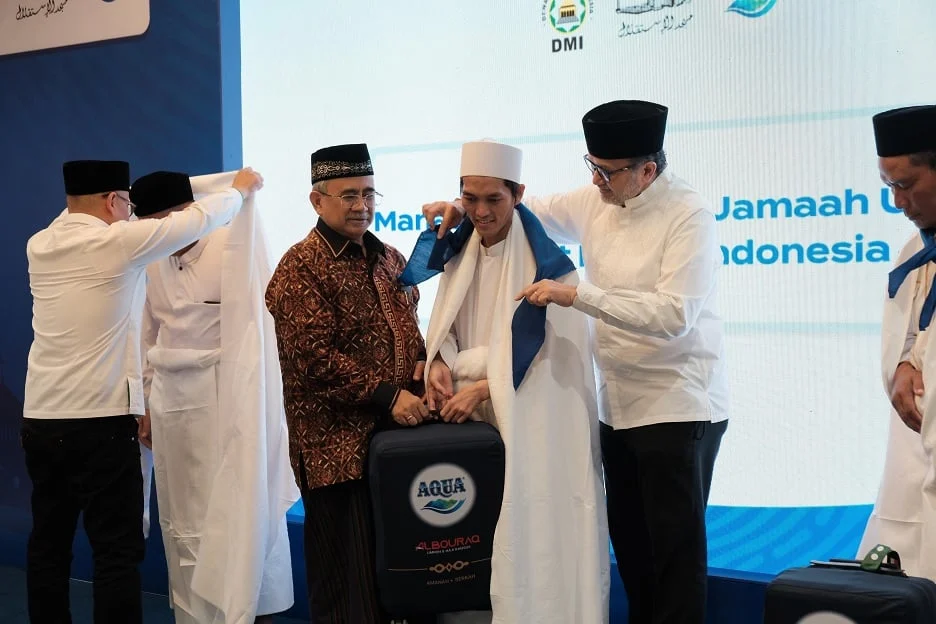
In a significant display of corporate social responsibility and inter-institutional collaboration, AQUA, in partnership with the Indonesian Mosque Council (Dewan Masjid Indonesia/DMI) and the Istiqlal Mosque Management Board (Badan Pengelola Masjid Istiqlal/BPMI), has successfully facilitated the departure of 27 marbot and mosque administrators for their Umrah pilgrimage to the Holy Land. This initiative, now entering its third consecutive year, represents a strategic effort to honor the tireless, often overlooked, contributions of those who serve as the frontline caretakers of Indonesia’s religious infrastructure. To date, the collaborative program has enabled 70 individuals from diverse regions across the archipelago to fulfill their spiritual aspirations.
The ceremony marking this year’s departure highlights the growing synergy between private sector entities and religious organizations in Indonesia. As the nation continues to navigate the complexities of social development, such programs serve as a tangible acknowledgment of the role that local faith-based leaders play in maintaining social cohesion and community health.
The Strategic Role of the Marbot in Indonesian Society
To understand the significance of this initiative, one must first recognize the sheer scale of religious infrastructure in Indonesia. According to the Ministry of Religious Affairs’ Mosque Information System (SIMAS), there are more than 710,000 registered mosques and musallas throughout the country. These facilities serve as far more than mere sites for ritual prayer; they are hubs for social education, economic empowerment, and community solidarity.
The marbot—the custodians of these mosques—are the invisible architects of this social stability. Their duties range from the technical and maintenance-oriented, such as ensuring cleanliness and sound system functionality, to the pastoral, such as facilitating community gatherings and assisting with funeral arrangements or educational programs. Despite the central role they occupy, these individuals often work in relative obscurity. The partnership between AQUA, DMI, and BPMI seeks to bridge this gap, elevating the status of these caretakers by providing them with a once-in-a-lifetime opportunity for spiritual growth as a form of appreciation for their years of selfless service.
Chronology and Program Evolution
The initiative began three years ago as a pilot project designed to foster closer ties between corporate entities and the grassroots mosque ecosystem. The initial phase saw a smaller cohort of caretakers selected based on their long-term dedication to their respective mosques.
- Year 1: The program launched as an experimental outreach, focusing on a pilot group to gauge the logistical feasibility of coordinating travel for individuals from geographically dispersed regions.
- Year 2: Following the success of the pilot, the partnership solidified, incorporating more rigorous selection criteria and expanding the outreach to include rural areas where the role of the marbot is most critical yet least supported.
- Year 3 (Current): With 27 participants dispatched, the program has reached a cumulative total of 70 beneficiaries. The scope has expanded to include comprehensive logistical support, ensuring that participants remain focused on their spiritual journey without the burden of administrative or financial concern.
The collaboration has not remained static. While the Umrah pilgrimage remains the flagship event, the partnership has evolved into a broader framework encompassing sustainable development projects. These include the "Green and Healthy Mosque" initiative, which focuses on waste management, water sanitation, and energy efficiency within mosque environments—areas where AQUA’s expertise in water stewardship and environmental management provides immense value.
Official Perspectives on Community Empowerment
The leadership of the collaborating institutions emphasizes that this program is not merely a travel initiative but a strategic investment in the social capital of Indonesia.
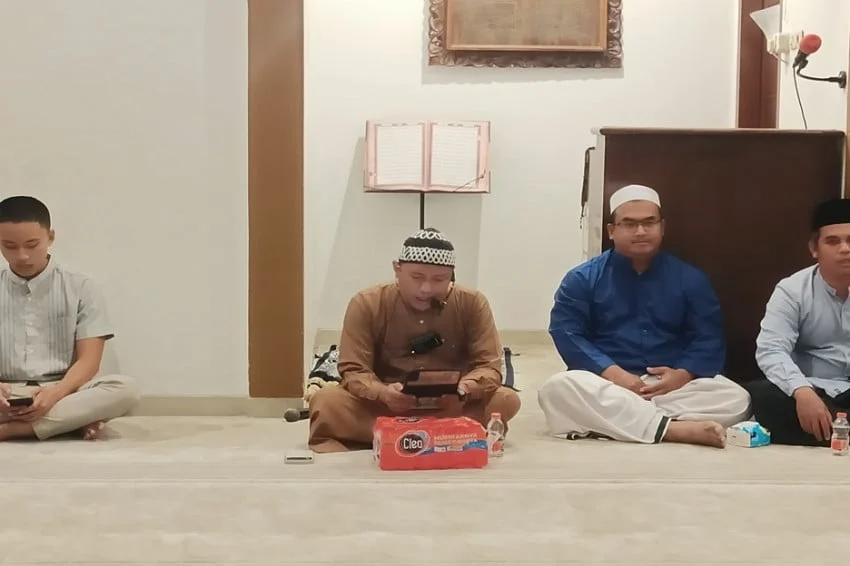
KH Bukhori Sail Al-Tahiri, Head of the Worship Division at the Istiqlal Mosque Management Board, articulated this during the departure ceremony on September 22, 2026. "The dedication of our marbot and mosque administrators is an inspiration that we all must emulate," he stated. "Their sincerity serves as a reminder that there is profound blessing in the race to provide goodness for the community. By supporting them, we are strengthening the very foundation of the mosque as a center for human development."
From the perspective of the DMI, the partnership is a key component of their broader mandate to modernize and professionalize mosque management. Secretary-General Rahmat Hidayat noted that the program addresses a fundamental need for recognition. "Our concern is to ensure that these individuals feel valued by the broader society. When the caretakers are empowered, the mosques they manage become more vibrant, more welcoming, and more effective at serving the needs of the surrounding population," Hidayat explained.
Agung Laksamana, General Secretary Director of Danone Indonesia, reiterated the company’s commitment to sustainable social impact. "We believe that the empowerment of the community requires sincere and long-term collaboration. AQUA is committed to walking alongside these religious organizations to ensure that our presence provides real, felt benefits to the Indonesian people," Laksamana said.
The Beneficiary Experience: A Case for Holistic Support
For the participants, the impact of the program is deeply personal. Abdul Muaz, a participant from Bogor, West Java, noted that the comprehensive nature of the support provided by the sponsors—covering everything from telecommunications and daily necessities to flight arrangements—was instrumental. "The relief of having all logistical details handled allowed us to approach this journey with a focused heart and a clear mind," he shared.
The emphasis on "holistic support" is a hallmark of this initiative. By removing the financial and logistical barriers to the Umrah, the organizers ensure that the experience is one of enrichment rather than stress. This approach sets a standard for other corporate social responsibility (CSR) programs, shifting the focus from sporadic, superficial donations to sustained, impactful engagement.
Broader Implications and Future Trajectory
The collaboration between AQUA, DMI, and BPMI is symptomatic of a larger trend in Indonesia where the private sector is increasingly aligning its CSR objectives with the goals of major religious organizations. This trend is driven by the realization that in a country with a high religious profile, mosques are the most efficient conduits for social change.
Beyond the Umrah program, AQUA has successfully expanded its outreach to include other major Islamic organizations, such as Nahdlatul Ulama (PBNU) and Muhammadiyah, as well as extensive networks of Islamic boarding schools (pesantren). This multi-stakeholder approach allows for a ripple effect:
- Environmental Impact: Through "Green Mosque" programs, water conservation techniques are taught to thousands of mosque attendees.
- Economic Impact: Initiatives focused on mosque-based micro-enterprises help elevate the local economy, particularly in peri-urban and rural areas.
- Social Impact: By formalizing the recognition of marbot, the program contributes to a culture of appreciation and professional development within religious spaces.
The data suggests that this model is replicable and scalable. As the number of participants continues to grow, the network of "alumni" of the program serves as a support group and a repository of best practices for mosque management. The focus moving forward, according to project insiders, will be to digitize more of these interactions—using technology to link mosques, provide training materials to administrators, and ensure that the positive impacts of these collaborations are tracked and reported with greater transparency.
Conclusion: Sustaining the Spirit of Service
The departure of the 27 pilgrims is a testament to the power of public-private partnerships in addressing the needs of the community’s unsung heroes. As the program enters its next cycle, the focus will likely remain on deepening these relationships and identifying new avenues for service.
By investing in the well-being of those who manage the houses of worship, AQUA, DMI, and BPMI are not only honoring a specific group of individuals but are also bolstering the sustainability of the institutions that anchor Indonesian society. As these 27 individuals return from their pilgrimage, they are expected to bring back not only a profound personal experience but also a renewed sense of purpose that will continue to benefit the hundreds of thousands of congregants they serve across the country. Through this ongoing effort, the spirit of "gotong royong"—the Indonesian tradition of communal cooperation—is effectively translated into modern, professionalized, and highly impactful social action.