
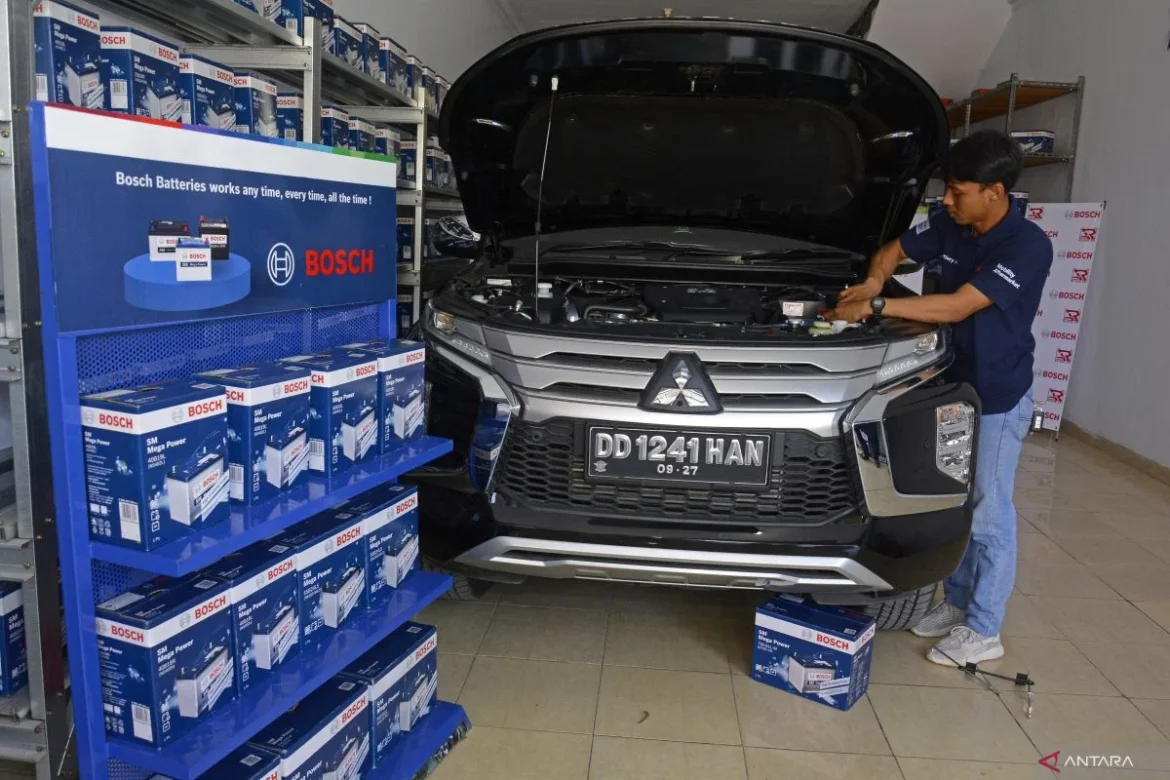
Vehicle owners frequently face a moment of frustration when attempting to start their automobiles, only to encounter a sluggish engine turnover, dimmed dashboard instrumentation, or a complete lack of electrical response. At the heart of this common automotive dilemma lies the vehicle battery, a critical component engineered to store and supply electrical energy necessary for starting internal combustion engines while simultaneously powering onboard electronic systems. When a battery begins to fail, commonly referred to as becoming "soak" or depleted, drivers are immediately forced to make a financial and technical decision: should they invest in recharging the existing unit, or is it time to purchase an entirely new replacement?
This recurring mechanical conundrum often leads to unnecessary expenditures. Industry data from automotive service associations consistently reveals that a significant percentage of batteries discarded prematurely are merely discharged rather than structurally compromised. Conversely, attempting to recharge a battery suffering from internal cell degradation or advanced sulfation offers only a temporary illusion of repair, frequently leaving motorists stranded shortly thereafter. Navigating this technical crossroad requires a comprehensive understanding of automotive electrical health, encompassing physical inspections, voltage measurements, and diagnostic load testing.
Understanding the Fundamental Difference: Discharged Versus Damaged Batteries
To make an informed decision, vehicle operators must first differentiate between a battery that has simply run out of stored electrical energy and one that has suffered permanent internal failure. A discharged battery, technically classified as a state of low charge, retains its core chemical and physical capacity to hold electricity. This state typically manifests when an automobile remains parked for prolonged periods, when accessories such as headlights or interior cabin lamps are accidentally left illuminated overnight, or when daily driving habits consist exclusively of short-distance trips. In these brief journeys, the engine’s alternator—the primary generator responsible for replenishing the battery while driving—does not operate long enough to restore the energy consumed during the initial engine startup. Under such conditions, a dedicated external battery charger can successfully restore the unit to full operational capacity.
In stark contrast, a damaged or worn-out battery experiences a permanent decline in its chemical capacity to store energy. Even when subjected to a lengthy recharging session, a compromised battery will rapidly bleed off its charge, failing to retain the voltage required to support the vehicle’s electrical load. Furthermore, internal structural failures, such as degraded or short-circuited lead plates within the battery cells, prevent the unit from producing the high-amperage current demanded by the starter motor. For damaged units, recharging serves as a futile exercise, making immediate replacement the only viable solution for reliable vehicle operation.
Diagnostic Protocol: How to Test Battery Health Before Taking Action
Automotive technicians and battery manufacturers emphasize that visual symptoms and basic multimeter readings alone are insufficient for determining a battery’s true condition. Modern vehicle systems demand a rigorous diagnostic approach combining physical observation, voltage checks, and load testing.
The diagnostic process begins with a thorough external physical inspection. Technicians check for structural deformations, including casing bulges caused by extreme thermal stress or internal overcharging, as well as visible cracks and fluid leaks. Terminal connections are inspected for white or bluish powdery corrosion, which can severely impede electrical conductivity.
Following the physical assessment, a digital multimeter is employed to measure open-circuit voltage while the engine remains switched off. For standard 12-volt lead-acid automotive batteries, a reading between 12.6 and 12.8 volts typically indicates a fully charged state. Battery manufacturers such as VARTA note that voltages falling below 12.4 volts serve as an immediate warning sign that recharging is required. However, because surface charge can artificially inflate voltage readings, professionals rely heavily on dedicated battery load testers. These diagnostic instruments subject the battery to a simulated electrical load mimicking the starter motor’s high-amperage draw, thereby measuring the unit’s actual capacity to deliver current under pressure. Finally, the vehicle’s charging system, particularly the alternator and voltage regulator, must be evaluated to ensure that ongoing power depletion is not the result of external electrical failures.
When Is Recharging the Correct Choice?
Recharging remains a cost-effective and environmentally responsible solution when diagnostic evaluations confirm that the battery’s internal chemistry remains sound and structural integrity is uncompromised.
- Infrequent Vehicle Utilization: Modern automobiles draw parasitic electrical loads—powering security systems, keyless entry receivers, and onboard computer memories—even when parked. Vehicles left stationary for weeks undergo a natural process known as self-discharge. If the battery is relatively new and its casing is intact, an external smart charger can safely restore its energy reserves.
- Accidental Parasitic Drain: Leaving cabin lights or auxiliary electronics powered on while the engine is turned off will quickly drain the battery. If this event is isolated and the battery has not suffered deep discharge cycles repeatedly, a standard recharge will typically return the unit to active service.
- Mild Voltage Depletion: When diagnostic checks reveal a surface voltage drop between 12.0 and 12.4 volts, and load testing confirms the internal cells are holding structural stability, controlled recharging is fully justified.
- Favorable Age and Physical Profile: Batteries that have been in service for less than two years, show no signs of leakage or swelling, and pass standardized conductance tests are prime candidates for recharging rather than premature replacement.
Definite Indicators That Demand Battery Replacement
Ignoring the signs of a dying battery eventually leads to catastrophic starting failures. Industry standards established by automotive organizations like the American Automobile Association (AAA) indicate that conventional automotive batteries possess a functional lifespan ranging between three and five years. However, environmental factors, driving habits, and localized climate conditions heavily influence this window. High ambient temperatures, common in tropical regions, accelerate internal grid corrosion and water evaporation, significantly shortening battery longevity.
Motorists should proceed directly to purchasing a replacement unit when encountering the following definitive symptoms:
- Inability to Retain Charge: If a battery loses its voltage rapidly shortly after completing a full recharging cycle, its internal capacity is exhausted.
- Sluggish Engine Crank and Starter Clicks: When the starter motor struggles to turn the engine over, producing a heavy, labored sound or rapid clicking noises despite verified charge levels, the battery can no longer deliver the requisite cold-cranking amperes (CCA).
- Advanced Age: A battery that has exceeded its four-to-five-year manufacturing threshold operates on borrowed time and should be replaced proactively before unexpected failure occurs.
- Structural Deformations and Leaks: Casing bulges, warping, or acid seepage present severe safety hazards. Damaged casings risk corrosive chemical leaks within the engine compartment and must be replaced immediately without attempting to recharge.
- Internal Cell Short Circuits: Standard lead-acid batteries feature six internal cells. If diagnostic testing uncovers a dead or shorted cell, chemical regeneration is physically impossible, necessitating a total unit swap.
Preventing Premature Battery Degradation
Extending the operational lifespan of an automotive battery requires proactive maintenance and disciplined driving habits. Industry experts recommend adhering to several preventative measures:
- Maintain Regular Driving Habits: Operating the vehicle on extended drives at least once a week ensures that the alternator maintains an optimal state of charge, preventing deep sulfation cycles.
- Eliminate Parasitic Drains: Always verify that all interior lighting, aftermarket accessories, and auxiliary electronic devices are completely powered down prior to exiting the vehicle.
- Keep Terminals Clean and Secure: Periodically cleaning battery posts and cable clamps with a wire brush and a mixture of baking soda and water prevents high-resistance connections that hinder charging efficiency.
- Match Specifications Accurately: When replacement becomes unavoidable, vehicle owners must select batteries that strictly match manufacturer recommendations. Modern vehicles equipped with complex start-stop systems, for instance, frequently require advanced Absorbent Glass Mat (AGM) or Enhanced Flooded Battery (EFB) technologies to handle sustained electrical demands.
By methodically analyzing battery health through structured diagnostics—rather than reacting impulsively to starting failures—vehicle owners can optimize maintenance expenditures, ensure dependable daily transportation, and eliminate the frustrations associated with unexpected automotive electrical breakdowns.
