
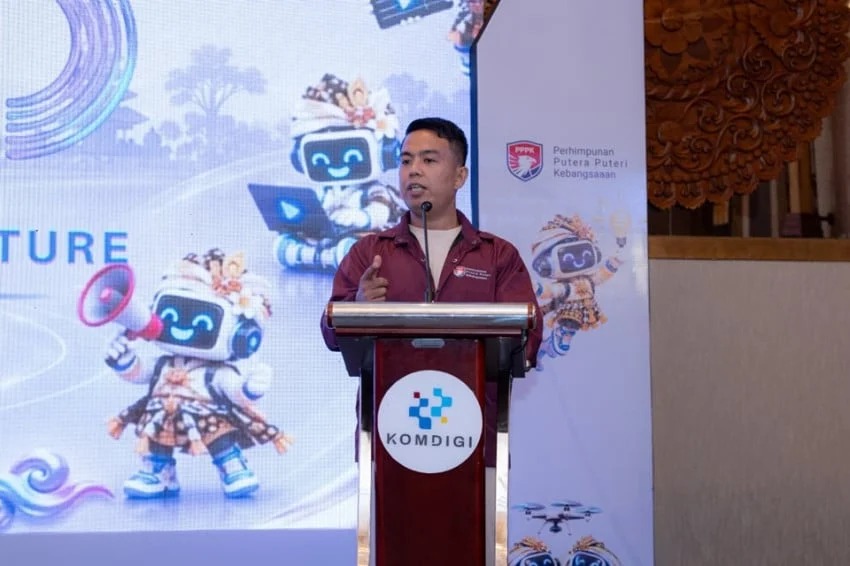
The digital landscape of Southeast Asia’s largest economy is undergoing a profound transformation, characterized by an aggressive push toward technological self-reliance and workforce modernization. Against this backdrop, the Perhimpunan Putera Puteri Kebangsaan (PPPK) officially inaugurated Digispace 2026, a high-profile national initiative designed to enhance digital literacy, foster emerging talent, and promote the practical application of Artificial Intelligence (AI) across diverse segments of Indonesian society. Held at the scenic SereS Springs Resort in Gianyar, Bali, the multi-day event has drawn significant attention from policymakers, technology advocates, educators, and youth leaders eager to address the digital skills gap.
The inception of Digispace 2026 aligns directly with national strategic roadmaps aimed at cultivating millions of digitally proficient citizens by the end of the decade. As automation, machine learning, and generative AI increasingly redefine global industries, Indonesia faces both a remarkable economic opportunity and a pressing structural challenge. Bridging the digital divide between urban centers and regional communities remains a critical prerequisite for sustainable growth. By situating this pivotal gathering in Bali—an international hub that seamlessly blends cultural heritage with modern technological adoption—the organizers sought to demonstrate how localized communities can leverage cutting-edge tools without losing their cultural identity.
At its core, Digispace 2026 was conceived to transcend traditional academic conferences by providing hands-on, practical technological experiences to everyday citizens. The initiative focuses on three foundational pillars: expanding secure and reliable internet access across varied demographic segments, elevating baseline digital literacy rates, and demystifying Artificial Intelligence for practical, everyday productivity. Through immersive workshops, collaborative breakout sessions, and interactive showcases, participants were introduced to the mechanics of modern machine learning and the ethical dimensions of automated systems.
Addressing attendees and media representatives on Friday, November 6, 2026, Muhammad Risal, Secretary General of the Perhimpunan Putera Puteri Kebangsaan, emphasized the broader national significance of the program. He noted that the initiative serves as a direct catalyst for empowering the younger generation to become active contributors to the digital economy rather than passive consumers of foreign technology.
"This program also serves as a tangible form of contribution in supporting the government’s ongoing efforts to accelerate the development of Indonesia’s digital talent pool," Risal stated during the event proceedings. He further elaborated that widespread community involvement is essential for maximizing the educational reach of the program, ensuring that the benefits of technological advancement permeate every layer of society rather than remaining concentrated within elite corporate or academic enclaves.
The Chronology and Strategic Vision Behind Digispace 2026
The journey toward Digispace 2026 began months prior, rooted in comprehensive preparatory assessments conducted by technology analysts and youth organizations across the Indonesian archipelago. Recognizing that rapid digital transformation often exacerbates economic inequality if not properly managed, the steering committee of PPPK mapped out a strategic framework focused on inclusive growth. The planning phase involved extensive consultations with regional educational institutions, local government bodies in Bali, and technology sector stakeholders to identify the most critical competency gaps facing the contemporary workforce.
Leading up to the main event in November 2026, a series of virtual precursor seminars and regional preliminary workshops were rolled out across multiple provinces. These preliminary sessions were engineered to gauge local technological readiness and to curate a diverse cohort of participants for the flagship gathering in Gianyar. By engaging participants ranging from high school students and university undergraduates to young entrepreneurs and community organizers, the organizers ensured that the curriculum addressed a wide spectrum of practical needs.
The formal opening ceremony on November 6 marked the culmination of these preparatory efforts. Over the course of the event, attendees navigated a rigorous schedule of plenary speeches, panel discussions, and technical demonstrations. Industry experts dissected the current state of Indonesia’s AI ecosystem, addressing critical topics such as regulatory frameworks, infrastructural bottlenecks, data privacy, and the ethical deployment of automated algorithms. These discussions provided a holistic view of the operational landscape, equipping participants with the critical thinking skills necessary to navigate an increasingly complex technological environment.
Immersive Technological Engagement: The AI Experience
One of the standout features of Digispace 2026 was the dedicated "AI Experience" zone, an interactive segment designed to move theoretical concepts into tangible reality. While panel discussions offered high-level strategic insights, the AI Experience allowed attendees to interact directly with advanced software tools, generative models, and data analytics platforms under the guidance of seasoned professionals.
In this interactive environment, participants were given the opportunity to experiment with AI-driven applications tailored for various professional and creative sectors. From utilizing natural language processing models to streamline administrative workflows, to leveraging machine learning algorithms for graphic design and digital content creation, the exercises were crafted to demonstrate the versatility of modern technology. Organizers emphasized that the goal was not merely to teach individuals how to operate specific software programs, but rather to instill a mindset of innovation and adaptability.
"Not only does Digispace 2026 feature discussions and the exchange of insights, but it also provides direct, hands-on experience through the AI Experience segment," Risal explained. "During this session, participants have the unique opportunity to become familiar with and directly test various applications of Artificial Intelligence technology."
This experiential learning approach is widely recognized by educational psychologists and workforce development experts as the most effective method for retaining complex technical information. By demystifying the mechanisms behind AI, the program successfully alleviated common anxieties regarding job displacement, replacing fear with proactive empowerment. Participants left the workshop sessions with a clearer understanding of how AI can function as a powerful collaborative assistant—enhancing human creativity, accelerating problem-solving, and unlocking new avenues for entrepreneurial ventures.
Broader Economic Implications and National Context
The timing of Digispace 2026 is particularly noteworthy within the broader discourse surrounding Indonesia’s technological maturation. Recent economic analyses and policy forums have frequently highlighted the dual nature of Indonesia’s digital transformation: while the country boasts one of the fastest-growing internet economies in Southeast Asia, it simultaneously grapples with severe infrastructural disparities and a shortage of specialized tech professionals.
Industry reports frequently point to regulatory ambiguities, cybersecurity concerns, and uneven broadband penetration as primary hurdles to establishing a robust, self-sustaining AI ecosystem. Grassroots initiatives like those spearheaded by PPPK play a vital, complementary role to government policy by building foundational digital literacy from the bottom up. When citizens at the community level understand how to utilize digital tools productively and responsibly, the entire economic ecosystem becomes more resilient and adaptable to external disruptions.
Furthermore, the focus on youth empowerment is strategically aligned with Indonesia’s demographic dividend. With a median age well below the global average, the nation’s immense youth population represents its greatest economic asset. Channeling this demographic momentum into high-value sectors such as software development, digital marketing, data science, and AI innovation is essential for escaping the middle-income trap and achieving the nation’s long-term economic visions.
Expert Analysis and Stakeholder Perspectives
Observers from the academic and corporate sectors have lauded the inclusive methodology employed at Digispace 2026. By refusing to restrict participation to seasoned programmers or tech executives, the event democratized access to high-level technical education. Analysts note that fostering a culture of continuous learning is paramount, given the rapid obsolescence cycle of modern software tools. Programs that teach individuals how to learn and adapt to new technologies provide a far more sustainable benefit than those focused on transient software trends.
Moreover, the emphasis on responsible AI usage addresses growing global concerns regarding algorithmic bias, misinformation, and data sovereignty. As Indonesia continues to formulate comprehensive national strategies regarding AI governance, cultivating a citizenry that is critical, informed, and ethically conscious of technological deployment is an invaluable asset. Discussions at the event underscored the necessity of balancing rapid innovation with stringent data protection standards to safeguard consumer rights and maintain public trust in digital platforms.
Looking Ahead: The Legacy of Digispace 2026
As the events at SereS Springs Resort concluded, the conversation shifted toward long-term sustainability and the replication of these success stories across other regions of the archipelago. Organizers from the Perhimpunan Putera Puteri Kebangsaan expressed optimism that the networks forged during the Gianyar gathering will serve as seeds for localized digital innovation hubs throughout Indonesia.
The insights and practical frameworks developed during Digispace 2026 are slated to be compiled into comprehensive white papers and shared with relevant government ministries, educational institutions, and corporate partners. By establishing a collaborative feedback loop between youth representatives, civil society organizations, and state regulators, the initiative aims to institutionalize the lessons learned and advocate for policies that prioritize inclusive digital infrastructure.
Ultimately, Digispace 2026 stands as a testament to the proactive measures being taken by Indonesian civil society to prepare its citizenry for the demands of the twenty-first century. By merging visionary macro-level planning with grassroots execution, the initiative has laid a robust foundation for a more digitally empowered, resilient, and innovative Indonesian workforce ready to compete on the global stage.
