
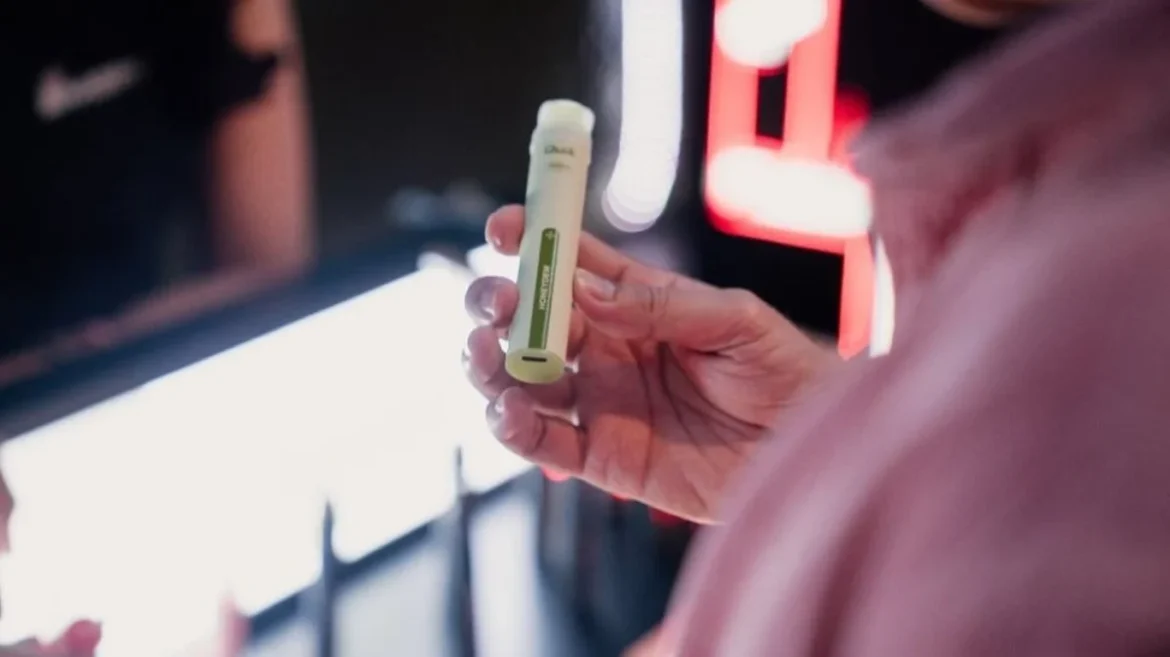
The rapid evolution of the tobacco industry has introduced a new paradigm for adult consumers seeking alternatives to conventional cigarettes. As the market for heated tobacco products, electronic cigarettes (vapes), and nicotine pouches expands globally and within Indonesia, a significant challenge remains: the pervasive lack of public understanding regarding the fundamental technical and chemical differences between these products and combustible cigarettes. In a recent statement issued on September 12, 2026, academics and industry observers emphasized that the conflation of these distinct product categories—often grouped under the generic label of "smoking"—hampers informed decision-making and hinders the development of evidence-based policy.
Mohammad Khotib, an academic from the Department of Chemistry at IPB University, noted that the core of the misconception lies in the failure to distinguish between combustion and non-combustion mechanisms. For decades, the public has associated the inhalation of nicotine with the byproduct of burning tobacco leaves. However, the rise of harm reduction technologies has introduced mechanisms that fundamentally alter the emission profiles of these products.
The Science of Combustion vs. Heating
At the heart of the debate is the chemical process of combustion. Traditional cigarettes function by burning tobacco at temperatures often exceeding 600 to 900 degrees Celsius. This high-heat environment triggers pyrolysis and incomplete combustion, which results in the release of over 7,000 chemicals, many of which are known carcinogens and toxic compounds. These include tar, carbon monoxide, and various volatile organic compounds (VOCs) that are inextricably linked to smoking-related illnesses.
Conversely, alternative tobacco products are engineered specifically to avoid the combustion process. Heated tobacco products utilize controlled heating elements that keep the temperature well below the point of combustion, typically under 350 degrees Celsius. In the case of vaping, the process involves heating a liquid solution—composed of propylene glycol, vegetable glycerin, flavorings, and nicotine—to create an aerosol, commonly referred to as vapor.
"The fundamental difference can be observed in the process utilized," Khotib explained. "In cigarettes, there is the combustion of tobacco, while certain alternative products utilize heating processes or other mechanisms that are not equivalent to combustion." By failing to acknowledge these mechanical differences, the public and policymakers often overlook the potential for significant variations in the risk profiles of these products, which is a critical distinction in the field of tobacco harm reduction.
Addressing the Aerosol Misconception
A common myth that persists in the public consciousness is that the "cloud" produced by a vape device is identical to the smoke produced by a cigarette. From a chemical perspective, this is inaccurate. Cigarette smoke is a complex mixture of particulate matter and gases created by burning organic material. The aerosol emitted by e-cigarettes is a suspension of fine liquid droplets.
Khotib emphasized that while both involve the inhalation of nicotine, the emission profile of a non-combustible device is inherently different from that of a burning cigarette. "The fact is, in electronic cigarettes, what is produced is an aerosol or vapor from the heating of liquid, not smoke from the combustion of tobacco," he noted. This distinction is vital for public health research, as the presence of combustion-related toxins is the primary driver of tobacco-related mortality.
The Growing Need for Literacy
The rise of the vape industry in Indonesia has been meteoric, yet regulatory frameworks and public education campaigns have struggled to keep pace. The lack of standardized literacy regarding these products has led to a "one-size-fits-all" approach to regulation, where products with vastly different chemical outputs are subjected to identical marketing and excise policies.
Industry analysts point out that without clear, science-based communication, consumers are left to rely on anecdotal evidence or misinformation. This creates a vacuum where the potential of harm reduction strategies—which suggest that smokers who cannot quit may benefit from switching to less harmful alternatives—is overshadowed by the fear of new, unknown risks.
The importance of this issue extends to the global stage. Countries like the United Kingdom and New Zealand have integrated tobacco harm reduction into their public health strategies, recognizing that while vaping is not risk-free, it is substantially less harmful than smoking. In these jurisdictions, clear public education about the chemical differences between combustion and vaporization has been instrumental in reducing national smoking rates.
Chronology of the Tobacco Alternatives Shift
The global shift toward alternative nicotine products did not happen overnight. The following timeline illustrates the key milestones in the development and regulation of these products:
- 2003: The modern electronic cigarette is invented by Hon Lik in China, providing the first mass-market alternative to combustible tobacco.
- 2010–2015: Rapid expansion of the vape market globally, leading to the diversification of devices, including pod systems and nicotine salts.
- 2016–2018: The emergence of heated tobacco products (HTP) into the international market, gaining traction in Japan and Europe as a "middle-ground" product.
- 2020–2023: Regulatory bodies worldwide begin to distinguish between combustible cigarettes, vapes, and HTPs in their tax structures and health warnings.
- 2025–2026: Increasing academic and medical focus on the comparative emission profiles of these products, with experts calling for more nuanced regulatory approaches.
Economic and Public Health Implications
The economic footprint of the alternative tobacco industry is significant. It has created a new ecosystem of manufacturers, retailers, and supply chains that contribute to the national economy through excise taxes and job creation. However, the industry’s sustainability depends heavily on public trust and regulatory stability.
If the public remains misinformed, the industry faces the risk of restrictive policies that could push consumers back toward combustible cigarettes. Conversely, if policies are informed by accurate science, there is an opportunity to guide current smokers toward products that are demonstrably less harmful.
The analysis provided by Khotib and other experts suggests that future policy must be predicated on a "harm reduction continuum." This approach accepts that while abstinence is the ideal outcome, the reality of nicotine dependency requires a range of options. By distinguishing between combustion and non-combustion products, the government can create regulations that discourage youth initiation while simultaneously providing accurate information for adult smokers looking for alternatives.
The Path Forward: Evidence-Based Communication
To bridge the current knowledge gap, several steps are necessary:
- Standardized Research: Increasing funding for independent, long-term studies that compare the toxicity of different tobacco products in the Indonesian context.
- Clear Labeling: Implementing product labeling that accurately reflects the mechanism of the device (e.g., "Non-Combustible" vs. "Combustible").
- Public Education Campaigns: Developing government-led awareness initiatives that explain the chemistry of combustion, focusing on why burning tobacco is the primary source of harm.
- Professional Training: Ensuring that medical professionals and retailers are equipped with accurate information to provide guidance to consumers.
As the industry continues to evolve, the focus must remain on the empirical evidence. The goal of public health is to minimize the aggregate harm caused by tobacco use. By moving past the oversimplified narrative that "all tobacco products are the same," Indonesia has the opportunity to adopt a more sophisticated and effective approach to tobacco control.
Ultimately, the distinction between a cigarette and a non-combustible alternative is not merely a matter of terminology; it is a matter of chemistry that carries profound implications for public health. Ensuring that the public, the media, and the government understand these nuances is the essential first step toward a more informed and health-conscious society. As the market enters the latter half of 2026, the call for improved literacy remains a critical priority for stakeholders across the board, ensuring that progress in product innovation is matched by progress in public understanding.
