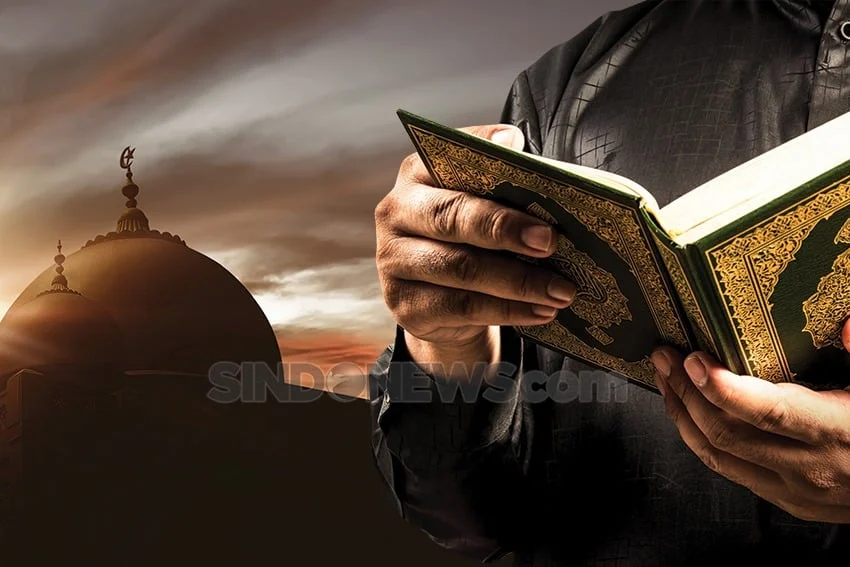
The concept of hijrah, or the spiritual migration toward a life more aligned with divine teachings, is frequently misunderstood in contemporary discourse as a singular, transformative moment or a superficial shift in appearance. In reality, Islamic theological perspectives emphasize that hijrah is not a terminal point but a continuous, lifelong process—a dynamic state of being that necessitates constant hidayah (divine guidance), taufiq (divine success), and the ongoing intervention of the Almighty to ensure that a believer remains steadfast until the end of their life.
Defining the Essence of Hijrah
To understand hijrah, one must look beyond the external indicators often highlighted in social media trends. While changing one’s attire or social circle is often a visible manifestation of a personal shift, these actions are merely secondary to the primary internal objective: the migration from a state of disobedience or spiritual stagnation toward a state of profound proximity to the Creator.
The theological framework of this transition is rooted in the abandonment of practices deemed contrary to divine will. It is a proactive effort to align one’s daily conduct, thoughts, and intentions with a higher moral standard. When an individual finds the internal strength to cease sinful habits, prioritize ritual prayers, engage in the rigorous pursuit of religious knowledge, and maintain consistency in virtuous actions, these accomplishments are not merely personal victories. Rather, they are regarded as manifestations of profound divine grace.
The Theological Basis of Divine Guidance
The cornerstone of this spiritual journey is the concept of hidayah, which is described in Islamic tradition as an invaluable and unearned gift. The reliance on divine support is underscored by a well-known Hadith Qudsi, in which Allah addresses His servants, stating: "O My servants, all of you are astray except those whom I have guided, so seek guidance of Me and I shall guide you" (Narrated by Muslim).
This narrative serves as a reminder to the faithful that the ability to perform acts of devotion is not a product of human willpower alone. If a person is currently observing their prayers, fasting, or avoiding corruption, they are effectively walking a path cleared for them by the Almighty. Without this external spiritual facilitation, the human ego, influenced by worldly distractions, would likely falter. Consequently, the act of seeking guidance becomes a daily obligation, reinforcing the notion that a believer remains in a state of "need" for the Divine throughout their existence.
Chronology and Evolution of the Hijrah Concept
Historically, the term hijrah originates from the migration of the Prophet Muhammad and his companions from Mecca to Medina in 622 CE. This event was not merely a physical relocation but a strategic move to establish a society where the values of faith could be practiced without persecution.
In the modern context, the term has evolved into a metaphor for personal reformation. Throughout the 20th and 21st centuries, the conceptualization of hijrah has been integrated into the personal development trajectories of Muslims worldwide. In the last decade specifically, the rise of digital connectivity has turned the "hijrah movement" into a global phenomenon. Data from religious sociology studies indicate that the 2010s saw a surge in organized study groups and online communities focused on repentance and lifestyle reform. This period marked a shift from individual spiritual growth to communal accountability, where social media influencers began playing a pivotal role in disseminating religious content.
Supporting Data and Demographic Shifts
Sociological research into religious adherence indicates that the motivation for "hijrah" often correlates with major life transitions—such as marriage, career changes, or personal crises. According to longitudinal studies conducted by institutions monitoring religious trends, a significant percentage of individuals embarking on a "hijrah" journey are between the ages of 20 and 35. This demographic is characterized by a desire for existential meaning in an increasingly secularized global landscape.
The data suggests that the "hijrah" trend is not declining but rather maturing. While the initial wave was marked by high-visibility changes in lifestyle, current trends show a deeper focus on sustained intellectual and spiritual development. Experts in religious studies note that this shift is a positive development, as it moves the focus away from performative displays of faith toward long-term ethical behavior and institutionalized charity work.
Official Perspectives and Scholarly Warnings
Religious scholars and institutional leaders have weighed in on the sustainability of this trend. Many emphasize that the primary risk in the modern hijrah movement is "burnout" or "performative fatigue." When individuals treat hijrah as a checklist of aesthetic or social changes, they often struggle to maintain these habits when the initial enthusiasm wanes.
Scholars emphasize the concept of istiqamah—or unwavering persistence. They argue that the true test of a successful transition is not how one begins, but how one sustains their commitment during times of hardship or when they are no longer under the public eye. Official sermons in major mosques globally often reiterate that "hijrah is a marathon, not a sprint." The implication is that the journey requires humility, as the believer must acknowledge that their ability to remain on the path is entirely contingent upon continued divine support, rather than their own inherent capacity for righteousness.
Broader Impact and Societal Implications
The widespread embrace of this spiritual journey has had tangible impacts on modern society. For one, it has led to the growth of a robust "halal" economy, covering everything from finance and food to fashion and travel. Beyond the economic impact, there is a measurable shift in community cohesion. Communities that prioritize the pursuit of religious knowledge tend to exhibit stronger social safety nets, as the emphasis on charity (zakat and sadaqah) is a central tenet of the spiritual path.
However, the implications also extend to the challenges of pluralism. As individuals become more committed to their faith, they must navigate the complexities of living in multicultural societies. The challenge for many on this journey is to reconcile their deeply held religious convictions with the demands of a globalized, pluralistic world. Experts argue that the most successful practitioners of hijrah are those who demonstrate the most character, kindness, and professional excellence, thereby providing a positive representation of their faith through their actions rather than their rhetoric.
Analyzing the Future of Spiritual Migration
The discourse surrounding hijrah will likely continue to evolve as technology changes how religious content is consumed. The reliance on digital platforms for spiritual guidance has democratized access to knowledge, but it has also introduced risks related to misinformation and extremist interpretations.
For the individual practitioner, the path forward involves balancing digital influence with traditional, foundational learning. The consensus among contemporary thinkers is that the long-term viability of the hijrah movement depends on the ability of the younger generation to synthesize modern life with the core, unchanging values of their faith.
In conclusion, the journey of hijrah is a profound exercise in humility and persistence. It is a recognition that the human condition is inherently fragile and that the capacity for goodness is a gift that must be requested, nurtured, and guarded. By shifting the focus from the act of "starting" to the act of "persisting," individuals can find a more sustainable path to spiritual fulfillment. As the religious community moves forward, the emphasis remains on the understanding that every step taken toward a more ethical, pious life is a step supported by the divine, making the journey not a burden, but a grace-filled path toward peace and purpose.