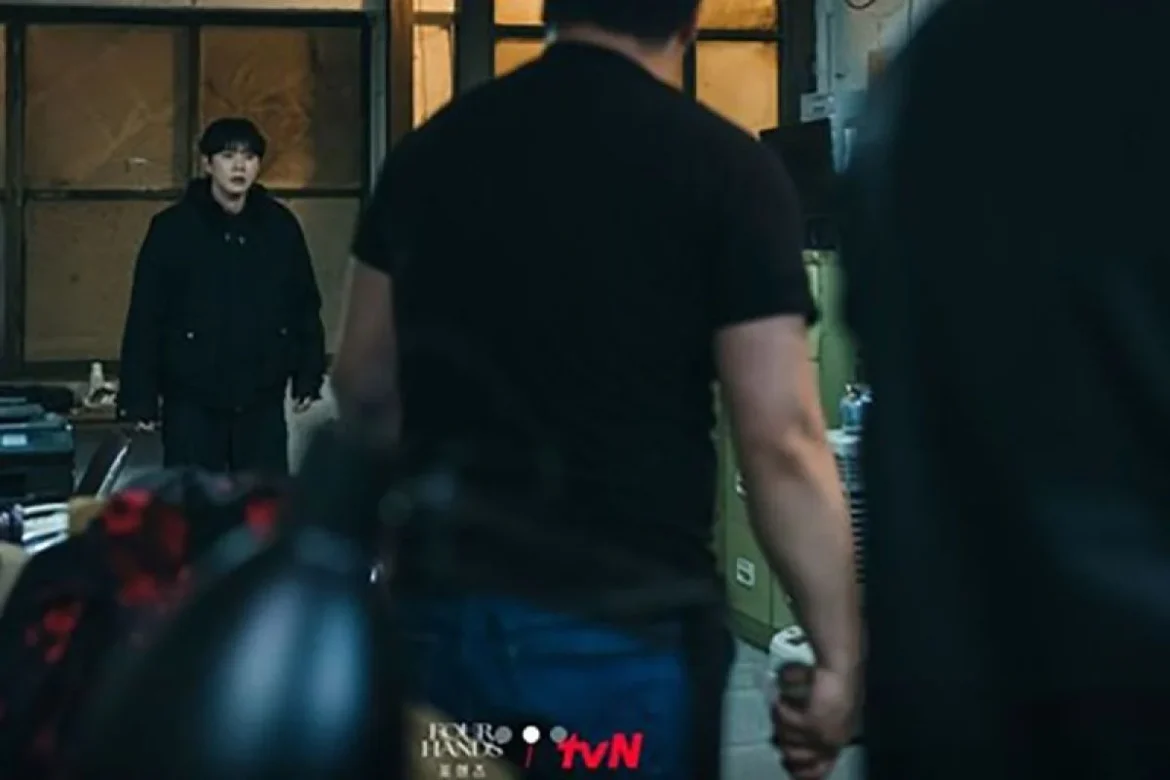
The landscape of South Korean television has consistently been shaped by innovative storytelling, high production values, and compelling character dynamics. In the late summer of 2026, the cable network tvN achieved a significant milestone with its ongoing musical romance drama, Four Hands Two Sonatas. The series has steadily captured the attention of both domestic and international audiences, culminating in a record-breaking broadcast on September 13, 2026. According to data released by Nielsen Korea and reported by the entertainment portal Soompi, the drama’s latest weekend episode achieved an impressive nationwide average rating of 7.3 percent. This achievement not only marked a personal best for the series since its premiere but also positioned it firmly as the number one program in its designated time slot across all channels, outperforming major competitors in the fiercely contested weekend television market.
The meteoric rise of Four Hands Two Sonatas underscores a growing appetite for intricate, character-driven narratives that blend artistic discipline with emotional vulnerability. Set against the rigorous backdrop of an elite arts high school, the narrative explores the multifaceted world of classical music, tracing the arduous journeys of young musicians as they navigate intense competition, blooming romance, and the profound transition into professional pianists. The title itself serves as a central thematic metaphor; in musical terminology, "four hands" refers to a piano technique where two pianists share a single instrument to perform a piece together, symbolizing collaboration, mutual trust, and the blending of distinct artistic voices.
Anatomy of a Musical Rivalry and Friendship
At the heart of the narrative are two contrasting protagonists whose initial rivalry evolves into a transformative partnership. Kang Bi Oh, portrayed by acclaimed actor Song Kang, represents the archetype of relentless dedication and meticulous discipline. Known for his extraordinary technical proficiency, Bi Oh maintains his position at the pinnacle of his peer group through punishing daily routines, often practicing up to ten hours a day. His entire existence is structured around perfectionism, leaving little room for emotional spontaneity or personal connections.
This rigid equilibrium is disrupted by the arrival of Choi Jung Yo, played by Lee Jun Young. Unlike Bi Oh, whose achievements are the product of sheer willpower and exhaustive physical labor, Jung Yo possesses a rare, effortless musical genius. His innate ability to interpret and project emotion through the piano immediately captivates those around him, challenging the preconceived notions of merit and talent within the academy.
The initial meeting between the two students shatters Bi Oh’s sense of absolute control, forcing him to confront the boundaries of his technical capabilities. Conversely, the precise and disciplined playing style of Bi Oh acts as a catalyst for Jung Yo, rekindling a dormant passion and a serious drive to pursue a career as a professional pianist. Driven by this renewed ambition, Jung Yo actively attempts to bridge the gap between them, persistently reaching out to Bi Oh despite encountering initial coldness and resistance.
As the narrative progresses, the adversarial tension thaws into a complex dynamic of rivalry, mutual respect, and eventual friendship. Through the shared challenges of their rigorous curriculum, both characters learn to lower their defensive barriers. The emotional climax of their interactions culminates in the physical act of playing piano four hands, where they must synchronize their breathing, timing, and emotional output, ultimately creating a harmonious artistic synthesis that neither could have achieved in isolation.
Comprehensive Broadcast Schedule and Global Accessibility
Four Hands Two Sonatas is structured as a twelve-episode television series broadcast globally through the streaming platform Netflix, ensuring a wide international reach for fans of the genre. The airing schedule has been meticulously planned to maintain viewer engagement throughout the late summer and early autumn of 2026. Below is the complete broadcast timeline for the series:
- Episode 1: August 29, 2026
- Episode 2: August 30, 2026
- Episode 3: September 5, 2026
- Episode 4: September 6, 2026
- Episode 5: September 12, 2026
- Episode 6: September 13, 2026
- Episode 7: September 19, 2026
- Episode 8: September 20, 2026
- Episode 9: September 26, 2026
- Episode 10: September 27, 2026
- Episode 11: October 3, 2026
- Episode 12: October 4, 2026
The strategic weekend release format on Saturdays and Sundays has proven to be an effective programming strategy for tvN, allowing viewers to consume the narrative in structured segments while generating sustained online discourse across social media platforms and entertainment forums throughout the week.
Industry Context and Analytical Implications of the Drama’s Success
The commercial and critical success of Four Hands Two Sonatas arrives at a time when the South Korean entertainment industry is experiencing a diversification of themes. While thriller, fantasy, and historical genres continue to dominate significant portions of the export market, grounded human dramas focusing on specialized professions and the arts maintain a loyal domestic and international viewership.
Industry analysts point out that dramas centered around classical music carry unique production challenges. Actors are frequently required to undergo extensive preparatory training to convincingly portray instrumentalists, and the sound design must balance authenticity with emotional resonance. The casting of high-profile actors such as Song Kang and Lee Jun Young has significantly amplified the show’s marketability, drawing both dedicated fandoms and casual viewers to a genre that might otherwise appeal to a niche audience.
Furthermore, the narrative framework of Four Hands Two Sonatas touches upon contemporary societal discussions surrounding youth mental health, academic pressure, and the psychological toll of perfectionism in elite educational institutions. By contrasting the grueling, self-imposed isolation of Kang Bi Oh with the intuitive, expressive freedom of Choi Jung Yo, the series provides a nuanced commentary on the different pathways to personal and artistic fulfillment.
As the series approaches its final episodes in early October 2026, industry observers anticipate that its ratings trajectory will remain strong. The emotional stakes established in the middle episodes, coupled with the resolution of the central musical partnership, are expected to drive high viewer retention. For tvN, the success of the drama reinforces its reputation as a premier platform for high-quality, emotionally resonant television, while further solidifying the global standing of its leading cast members in the competitive landscape of international entertainment.