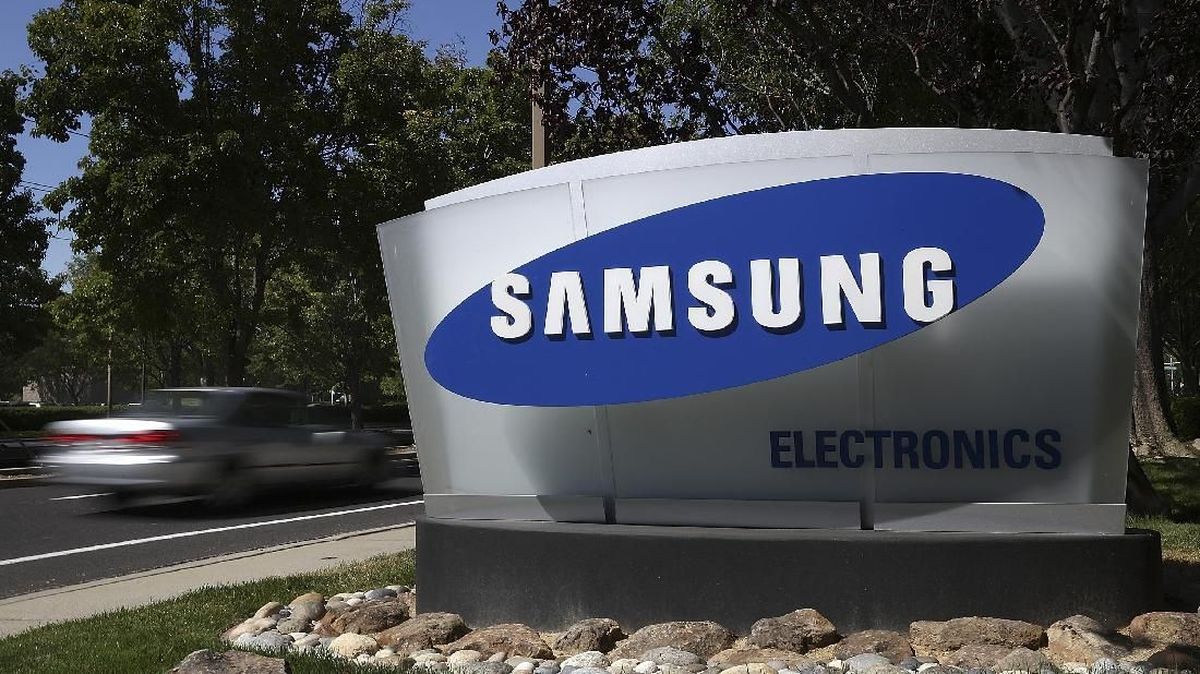
Samsung Electronics is undergoing a major structural transformation in its North American operations, a move characterized by the relocation of its corporate headquarters and a significant reduction in its workforce. According to internal company documents and reports from sources familiar with the matter, the South Korean technology giant is set to lay off more than 700 employees across its display, mobile, and consumer electronics units in the United States. This strategic pivot involves moving the primary hub of Samsung Electronics America (SEA) from its long-standing base in Englewood Cliffs, New Jersey, to Plano, Texas, a transition that has sent ripples through the company’s regional offices and the broader technology sector.
The layoffs, which primarily affect the New Jersey and Texas regions, were disclosed through corporate filings and notices sent to employees. While the exact total remains fluid as the transition progresses, documentation reviewed by industry analysts indicates that SEA issued notices to a broad swathe of its workforce as early as June 30, citing a comprehensive corporate-level reduction in force. On professional networking platforms such as LinkedIn, dozens of former employees—including high-level executives in sales and marketing—have confirmed their departures, signaling that the cuts are not limited to entry-level staff but reach deep into the company’s leadership structure.
The Geography of Restructuring: From New Jersey to the Lone Star State
The centerpiece of this reorganization is the relocation of the Samsung Electronics America headquarters. SEA is the specific arm of Samsung responsible for consumer electronics, including smartphones, home appliances, and televisions; notably, it does not include the company’s semiconductor or "chip" division, which operates under a separate corporate umbrella.
In a statement provided to Reuters, Samsung confirmed that 739 positions at the Englewood Cliffs, New Jersey, facility would be impacted by the relocation. This figure represents a substantial portion of the company’s footprint in the state. According to data from the office of U.S. Representative Josh Gottheimer, Samsung has historically employed approximately 1,200 people in New Jersey. The company stated that while a majority of the affected employees were offered the opportunity to relocate to the new Texas headquarters, a significant number of staff members either chose not to move or were not included in the relocation packages, resulting in immediate job losses.
The timing of this move has been met with surprise by industry observers and employees alike. Samsung’s Englewood Cliffs office was a relatively new investment, with staff having moved into the state-of-the-art facility less than a year ago following a high-profile ribbon-cutting ceremony. The decision to abandon the site as a primary headquarters so quickly suggests a rapid shift in corporate strategy, likely driven by the evolving economic landscape and the competitive advantages offered by the Texas business environment.
Beyond New Jersey, the layoffs have also touched the existing Samsung hub in Plano, Texas. Approximately 100 employees in the Plano office, many of whom worked within the mobile device division, have been terminated. This indicates that the restructuring is not merely a geographic consolidation but a broader effort to lean out operations in the face of mounting market pressures.
A Tale of Two Divisons: AI Prosperity vs. Consumer Struggles
The internal restructuring at Samsung comes at a time of extreme financial contrast for the parent company. In its preliminary earnings guidance for the second quarter of 2024, Samsung Electronics projected a staggering 15-fold to 19-fold increase in operating profit compared to the previous year. This massive surge is almost entirely attributable to the global explosion in Artificial Intelligence (AI). As a world leader in memory chips, Samsung has seen unprecedented demand for High Bandwidth Memory (HBM) and other specialized semiconductors required to power AI data centers and large language models.
However, this "AI gold rush" has not translated to the consumer electronics side of the business. While the semiconductor division is flourishing, the mobile and consumer electronics units are facing their most challenging period in recent history. Analysts suggest that the mobile division is at risk of posting its first-ever historical loss in certain metrics, primarily due to the fierce competition in the premium smartphone market.
In the United States, Samsung continues to battle Apple for dominance in the high-end segment. Despite the launch of innovative foldable devices and AI-integrated features in the Galaxy S-series, maintaining market share has become increasingly expensive. Furthermore, the very factor driving Samsung’s chip profits—the high price of semiconductors—is acting as a double-edged sword. The rising cost of internal components has squeezed the profit margins on Samsung’s own smartphones, tablets, and wearable devices.
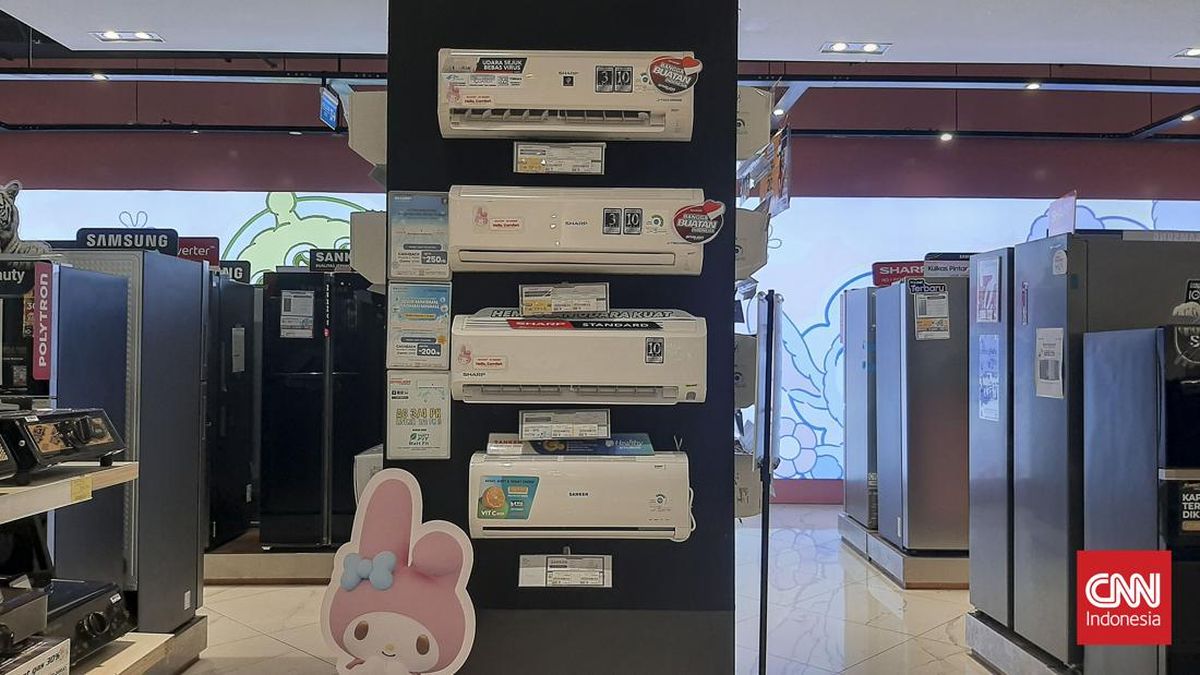
Simultaneously, Samsung’s television and home appliance divisions are facing an aggressive onslaught from Chinese manufacturers. Companies like TCL and Hisense have successfully captured significant market share in the mid-range and budget television sectors, using aggressive pricing strategies that Samsung has struggled to match without sacrificing its brand positioning as a premium manufacturer.
The Texas Attraction: Taxes, Regulation, and the Silicon Prairie
Samsung’s decision to consolidate its North American operations in Texas aligns with a broader trend among global technology leaders. The state has earned the nickname "Silicon Prairie" due to the influx of tech giants seeking a more favorable business climate. By moving to Texas, Samsung joins the ranks of Tesla, Oracle, and Hewlett Packard Enterprise, all of whom have moved their headquarters or major operations to the state in recent years.
The motivations for such a move are multifaceted. Texas offers a significantly lower tax burden compared to New Jersey, with no state corporate income tax and no personal income tax for employees. Furthermore, the regulatory environment in Texas is generally perceived as more business-friendly, with fewer administrative hurdles for large-scale corporate expansions.
For Samsung, Texas was already a critical strategic hub. The company operates a massive semiconductor manufacturing complex in Austin and is currently investing billions of dollars in a new, cutting-edge chip fabrication plant in Taylor, Texas. By moving its consumer electronics headquarters to Plano, Samsung can centralize its administrative, marketing, and manufacturing leadership within a single state, potentially fostering greater synergy between its hardware and semiconductor divisions as they move toward an AI-centric product roadmap.
Broader Industry Trends and the AI Shift
The layoffs at Samsung are not an isolated event but part of a wider "right-sizing" trend within the global technology industry. Since the beginning of 2023, giants like Microsoft, Amazon, Meta, and Alphabet have collectively shed tens of thousands of jobs. These companies are navigating a post-pandemic economy where the rapid hiring sprees of 2020 and 2021 are being corrected.
More importantly, these firms are undergoing a fundamental shift in capital allocation. Resources that were previously dedicated to general consumer services, traditional marketing, and legacy hardware are being redirected toward AI infrastructure. Building the data centers and acquiring the processing power necessary to compete in the AI era requires hundreds of billions of dollars in capital expenditure. To fund these investments, companies are trimming "non-core" headcounts and optimizing operational efficiency.
Samsung’s move reflects this industry-wide reality. By reducing the workforce in its consumer-facing divisions, the company can free up capital to support its massive investments in the semiconductor sector, which remains the primary engine of its long-term growth.
Impact on the Workforce and Regional Economies
The human cost of this transition is significant. For the 739 employees in New Jersey, the choice between relocating halfway across the country or seeking new employment in a tightening job market is a difficult one. While New Jersey officials have expressed disappointment at the loss of a major corporate anchor, the state continues to position itself as a hub for life sciences and pharmaceuticals to offset the volatility of the tech sector.
In Texas, the arrival of the SEA headquarters is seen as a major economic win, further solidifying the state’s status as the new center of gravity for the American electronics industry. However, for the 100 employees in Plano who were caught in the layoffs, the news serves as a reminder that even in "growth" regions, corporate restructuring can be indiscriminate.
As of the end of 2023, Samsung Electronics employed approximately 11,770 people across the United States. While the current layoffs represent a relatively small percentage of the total U.S. workforce, they signal a definitive end to an era of expansion for the company’s traditional consumer electronics business in the Northeast.
Future Outlook: A Leaner, AI-Integrated Samsung
Looking ahead, Samsung’s strategy appears focused on lean operations and the deep integration of AI across its entire product ecosystem. The company is betting that by consolidating its leadership in Texas and reducing overhead in New Jersey, it can more effectively compete with Apple and rising Chinese brands.
The success of this transition will depend on whether Samsung can successfully leverage its semiconductor prowess to create "smarter" consumer devices that justify their premium price points. With the headquarters move nearly complete, the industry will be watching closely to see if this geographic and structural gamble pays off in the form of recovered margins for the mobile and display divisions. For now, the focus remains on the transition of hundreds of roles and the logistical challenge of moving a multi-billion dollar corporate heart from the Atlantic coast to the Texas plains.