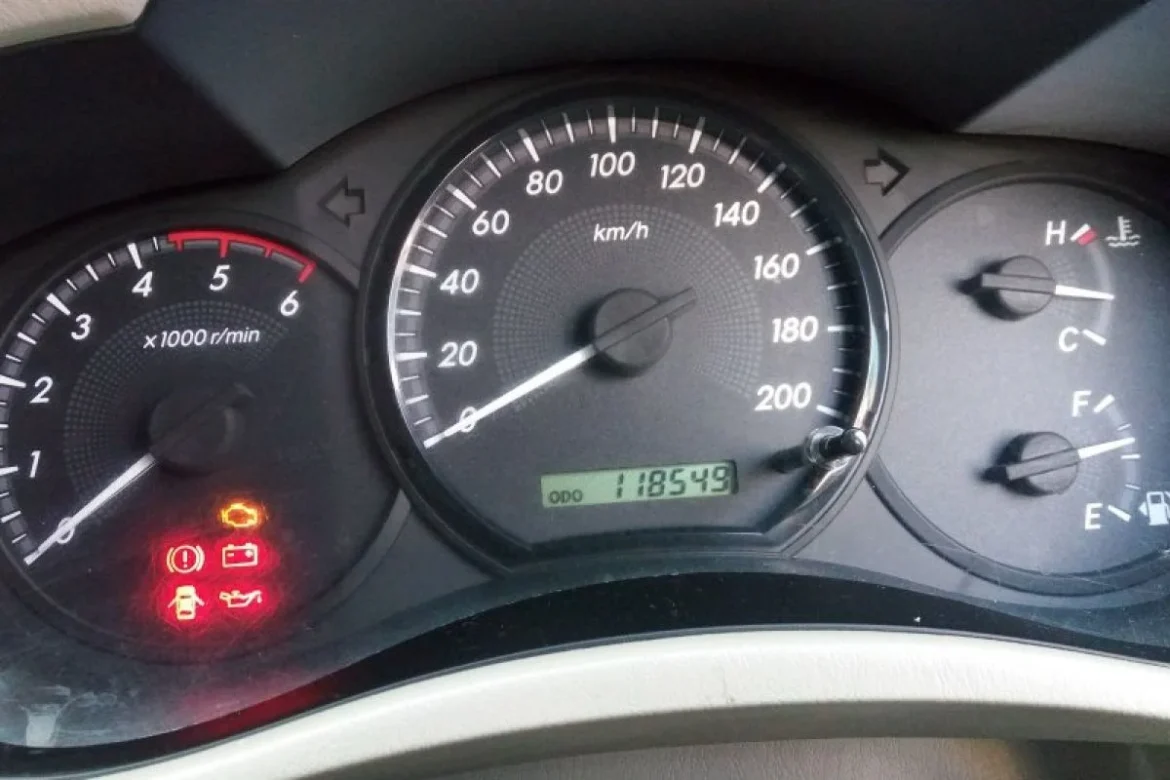
The illumination of the check engine light on a vehicle’s dashboard is a universal trigger for anxiety among drivers worldwide. Represented by a yellow or orange engine-shaped icon, this warning indicator serves as a crucial component of modern automotive diagnostic systems. While it invariably signals that a vehicle component requires attention, it does not always denote a catastrophic mechanical failure. As automotive technology has evolved, onboard computers have become increasingly sophisticated, continuously monitoring everything from emissions controls to transmission performance. When a discrepancy is detected, the dashboard illuminates to prompt driver awareness. However, deciphering the exact severity of the underlying issue remains a challenge for many motorists. Determining whether to continue driving, pull over immediately, or schedule a service appointment depends entirely on the behavior of the light and the concurrent physical symptoms displayed by the vehicle.
Evolution of Onboard Diagnostics and Vehicle Monitoring Systems
To fully understand the check engine light, one must examine the evolution of Onboard Diagnostics (OBD) systems in the automotive industry. Introduced in rudimentary forms during the 1980s, these electronic systems underwent a massive standardization overhaul in the mid-1990s with the widespread adoption of OBD-II protocols across global markets. Modern vehicles feature powerful computer modules—often referred to as Engine Control Units (ECUs) or Powertrain Control Modules (PCMs)—that communicate with dozens of sensors distributed throughout the engine bay, exhaust system, and transmission.
These sensors track parameters such as oxygen levels in the exhaust, fuel pressure, engine temperature, throttle position, and rotational speed. When a sensor reports data outside of pre-programmed factory thresholds, the ECU records a Diagnostic Trouble Code (DTC) and triggers the malfunction indicator lamp (MIL), commonly known as the check engine light. This technological leap transformed automotive maintenance from a game of guesswork into a precise, data-driven science. Yet, the translation from a complex digital error code to a simple yellow dashboard icon often leaves drivers uncertain about the urgency of the situation.
Decoding Dashboard Behavior: Normal Operation Versus System Warnings
The first critical step in assessing a check engine light is observing its behavior relative to the ignition cycle. In a normally functioning modern vehicle, turning the key to the "ON" position or pushing the start button without engaging the starter motor will cause a cascade of dashboard warning lights to illuminate momentarily. This self-check routine allows the ECU to verify that all warning bulbs and internal circuits are operational.
Once the engine fires and the vehicle’s systems complete their initial boot sequence, these indicators should automatically extinguish. According to maintenance guidelines provided by major manufacturers like Toyota, a malfunction indicator that lights up during system activation and promptly turns off once the engine runs indicates that the warning system is operating precisely as intended. Motorists should not experience panic during this brief, standard startup sequence. However, if the light remains illuminated after the engine starts, or if it suddenly activates while navigating a highway, the vehicle is communicating that a verified fault requires investigation.
Minor Culprits: Loose Fuel Caps and Routine Maintenance Triggers
One of the most common misconceptions among vehicle owners is that an illuminated check engine light automatically correlates with expensive engine rebuilds or catastrophic internal component failure. In reality, a significant percentage of diagnostic triggers stem from minor, easily correctable oversights.
A prime example is a loose or damaged fuel filler cap. Modern vehicle fuel systems are tightly pressurized to prevent harmful hydrocarbon emissions from escaping into the atmosphere. If a driver fails to tighten the gas cap until it clicks after refueling, the evaporative emissions (EVAP) system detects a pressure leak. This minor anomaly is enough to trigger the check engine light. According to automotive service bulletins, tightening the fuel cap can often resolve the issue, though the indicator may require several driving cycles to automatically reset as the ECU re-tests system integrity.
Similarly, routine wear items such as spark plugs can initiate dashboard warnings. Spark plugs degrade over time due to intense thermal and electrical stress. When a spark plug fails to fire correctly, it causes an engine misfire. The ECU registers this irregular combustion cycle, illuminates the check engine light, and may prompt secondary symptoms such as rough idling, engine hesitation, or a noticeable drop in fuel efficiency. Addressing these minor items proactively prevents strain on catalytic converters and other expensive exhaust components.
The Critical Difference Between a Steady Glow and a Flashing Indicator
Automotive engineers deliberately designed warning light behaviors to communicate varying degrees of urgency. Distinguishing between a steady illuminated light and a flashing indicator can prevent minor mechanical glitches from escalating into severe road hazards.
A steady check engine light informs the driver that a non-emergency fault has been detected. If the vehicle continues to operate smoothly, without unusual noises, fluid leaks, or performance drops, the driver is generally not required to pull over immediately. The appropriate course of action involves scheduling a diagnostic appointment at a qualified service center within a reasonable timeframe. The vehicle remains safe for routine operation, but the underlying code should be read to prevent long-term wear.
Conversely, a flashing check engine light demands immediate intervention. A blinking indicator signifies an active, severe engine misfire. Unburned fuel is entering the exhaust system, where it can rapidly overheat and permanently destroy expensive components such as the catalytic converter. When this occurs, motorists should safely maneuver the vehicle to the side of the road, shut down the engine, and arrange for professional towing assistance. Continuing to drive under a flashing check engine light risks catastrophic engine damage and poses serious safety hazards.
Evaluating Concurrent Dashboard Warnings and System Failures
Diagnosing an illuminated check engine light requires looking beyond the single icon and assessing the entire instrument cluster. Modern vehicles feature a hierarchy of warning lights, typically color-coded to indicate severity. While yellow or orange symbols denote warnings and advisory notices, red indicators signal critical conditions that require immediate cessation of vehicle operation.
If the check engine light illuminates simultaneously with red warning indicators—such as the low oil pressure icon, the coolant temperature warning, or the battery charging system alert—the situation transcends a standard emissions or sensor fault. Low oil pressure or overheating can destroy an engine within minutes. In these high-risk scenarios, drivers must prioritize safety by immediately pulling over in a well-lit, secure location, turning off the ignition, and consulting the vehicle’s owner manual for emergency procedures. Ignoring concurrent red warnings in pursuit of reaching a distant destination often transforms a minor coolant leak or faulty oil switch into a total engine seizure.
The Pitfalls of Clearing Diagnostic Trouble Codes Without Repairs
With the proliferation of affordable OBD-II scanner tools and smartphone applications, many vehicle owners attempt DIY troubleshooting by plugging a reader into the dashboard port and clearing error codes. While clearing a code will temporarily extinguish the check engine light, automotive technicians strongly caution against this practice as a standalone solution.
An error code represents a symptom, not the root cause. Deleting a code without diagnosing and repairing the underlying mechanical or electrical failure merely masks the problem. The vehicle’s computer will inevitably re-run its internal diagnostic tests, and once the fault parameters are met again, the check engine light will return. Furthermore, abruptly clearing codes can disrupt readiness monitors required for mandatory state or regional emissions testing, delaying vehicle registration renewal. Professional diagnostic procedures rely on interpreting freeze-frame data—snapshots of engine conditions at the exact moment the fault occurred—to accurately isolate the defective sensor, actuator, or wiring harness.
Economic and Environmental Implications of Ignored Warnings
From a broader macroeconomic and environmental perspective, ignoring dashboard warning lights carries tangible consequences for vehicle owners and society alike. Modern vehicles are marvels of environmental engineering, equipped with complex emissions control systems designed to minimize carbon footprints and toxic pollutants such as nitrogen oxides and unburned hydrocarbons.
When a check engine light remains ignored for months, minor faults—such as a failing oxygen sensor or a minor vacuum leak—force the engine to run on inefficient air-fuel mixtures. This inefficiency leads to a measurable decrease in fuel economy, costing motorists extra money at the fuel pump over time. Simultaneously, unchecked emissions system failures cause vehicle tailpipe emissions to spike, contributing to urban air pollution and regulatory non-compliance. Fleet management studies consistently demonstrate that proactive maintenance spurred by early diagnostic warnings significantly lowers total cost of ownership, extending the operational lifespan of commercial and private vehicles alike.
Expert Recommendations and Best Practices for Motorists
Automotive industry experts and service associations offer clear, actionable guidelines for motorists navigating dashboard diagnostic warnings. Education and composure remain the most effective tools for handling unexpected mechanical alerts.
First, drivers are advised to maintain a calm demeanor. Panicking and abruptly slamming on the brakes on a busy highway in response to a steady yellow check engine light creates a collision hazard far more dangerous than the underlying sensor fault. Second, motorists should familiarize themselves with their specific vehicle make and model by thoroughly reading the owner manual. Different manufacturers program distinct secondary warnings and specific operational limp modes designed to protect the drivetrain.
Third, establishing a relationship with a trusted mechanic or certified dealership service department ensures access to accurate diagnostic equipment. Rather than guessing at replacement parts based on internet forums, professional technicians utilize manufacturer-specific software to pinpoint faults efficiently, saving vehicle owners time and unnecessary repair expenses. Ultimately, viewing the check engine light as an informative partner rather than an adversary empowers drivers to maintain safer, more reliable vehicles on the road.