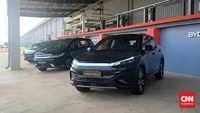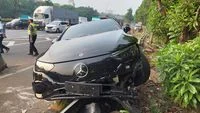
The rapid global transition toward sustainable mobility and green energy has positioned electric vehicles at the forefront of the modern automotive industry. In Indonesia, government initiatives aimed at reducing carbon emissions and promoting electric mobility have successfully accelerated the adoption of electric cars and motorcycles. However, this burgeoning ecosystem brings distinct technical, mechanical, and financial challenges that ripple across supporting industries, most notably the insurance sector. PT Asuransi Astra Buana, widely recognized through its flagship product Garda Oto, has provided critical insights into the underlying economics of insuring electric vehicles, shedding light on why these modern machines command higher risk profiles and, consequently, elevated premium pricing compared to traditional internal combustion engine vehicles.
Speaking at a media conference titled Transformation Beyond The Screen, held on Friday, September 11, Mulia K.B. Siregar, Chief Technical Officer at Asuransi Astra, delineated the core mechanics driving up the cost of insuring battery-powered transport. According to company evaluations, the disparity in insurance pricing is not arbitrary; rather, it is anchored in tangible operational realities that distinguish electric vehicles from their fossil-fueled predecessors. As automotive technology evolves at a breakneck pace, insurance underwriters are forced to recalibrate traditional risk assessment models to accommodate high-voltage architectures, specialized components, and a nascent repair infrastructure.
The Dual Pillars of Elevated Risk in Electric Vehicles
The structural differences between electric vehicles and conventional cars extend far beyond the absence of an exhaust pipe and a fuel tank. Under the hood—or rather, throughout the chassis—electric vehicles rely on complex electronic systems, heavy lithium-ion battery packs, and sophisticated thermal management networks. Asuransi Astra has identified two primary cost drivers that directly influence the underwriting risk and pricing structure for electric vehicles.
The first major factor is the cost of specialized labor and repair services. Fixing an electric vehicle requires certified technicians who have undergone rigorous training in high-voltage safety systems, software diagnostics, and specialized bodywork. Unlike traditional combustion engine cars, which can be serviced by a vast network of conventional mechanics, electric vehicle repairs demand precision, specialized diagnostic tools, and dedicated workshop facilities equipped to handle electrical hazards safely. Consequently, the labor charges associated with restoring a damaged electric vehicle to factory standards are significantly higher.
The second primary factor involves the procurement of replacement parts. The components unique to electric vehicles—ranging from the onboard charger and power inverter to the battery management system and the massive lithium-ion battery pack itself—are exceptionally costly. Furthermore, the supply chain for these specialized components is still maturing, particularly in emerging markets like Indonesia, where many parts must be imported directly from global manufacturing hubs. This scarcity, combined with high manufacturing expenses, drives up the replacement cost of damaged parts, directly inflating the payout liability for insurance providers in the event of an accident.
Automotive Market Dynamics and the Resilience of Retail Insurance
Against a backdrop of macroeconomic uncertainty and fluctuating consumer purchasing power in the national automotive market, the motor vehicle insurance sector remains a vital pillar of financial stability. Established market leaders like Garda Oto continue to anchor the retail business portfolio of Asuransi Astra, demonstrating resilience and recording positive financial growth through the first half of the fiscal year.
Despite broader economic headwinds affecting vehicle sales and consumer spending, the demand for comprehensive automotive insurance has remained relatively stable. However, the shifting demographic of vehicle buyers—increasingly favoring electrified options—requires insurers to adapt proactively. The influx of new electric vehicle brands, particularly from Asian and European manufacturers entering the Indonesian market, presents both commercial opportunities and underwriting complexities.
To maintain market competitiveness while ensuring prudent risk management, Asuransi Astra has initiated comprehensive internal reviews and data-driven studies. These analytical efforts are designed to formulate precise, equitable premium pricing models that protect consumers while safeguarding the insurer’s loss ratio against unexpected repair expenditures.
The Complexity of Brand-Specific Risk Profiling
One of the most critical revelations from Asuransi Astra’s ongoing industry research is that electric vehicles cannot be treated as a homogenous category. Unlike traditional internal combustion engine vehicles, which share largely standardized mechanical layouts and parts ecosystems across various mainstream brands, electric vehicles exhibit vast disparities in engineering, build quality, software integration, and structural safety design.
During the media conference, Mulia K.B. Siregar emphasized that the risk profile associated with insuring electric vehicles varies dramatically from one manufacturer to another. Factors such as the positioning of the battery pack, the availability of localized authorized service centers, the accessibility of spare parts, and the complexity of the vehicle’s proprietary operating software all heavily influence its insurability.
"Our studies thus far indicate that different brands can entail vastly different risk profiles," Siregar stated. This realization compels underwriters to move away from blanket pricing strategies. Instead, insurance companies must adopt granular, data-driven methodologies that evaluate individual vehicle makes and models based on empirical historical data, crash-test ratings, repair frequency, and the manufacturer’s local supply chain reliability.
The Evolving Regulatory and Infrastructure Landscape in Indonesia
The challenges highlighted by Asuransi Astra reflect a broader transitional phase within the Indonesian automotive ecosystem. Over the past several years, the Indonesian government has rolled out various fiscal incentives, luxury tax exemptions, and regulatory frameworks designed to spur local assembly and adoption of electric vehicles. Major automotive exhibitions have been inundated with new electric vehicle models, ranging from affordable city cars to luxury crossovers and commercial fleets.
However, the rapid influx of these vehicles has outpaced the development of supporting infrastructure. While public charging stations are gradually increasing in major metropolitan areas, the ecosystem for post-accident logistics remains in its infancy. Towing an electric vehicle requires specialized procedures to prevent thermal runaway or electrical short-circuits, and authorized body repair shops authorized to handle high-voltage structural damage are still concentrated primarily in major urban hubs like Jakarta.
These infrastructural gaps directly impact insurance underwriters. When an electric vehicle is involved in a severe collision, the logistics of transporting it safely to a qualified facility, coupled with extended turnaround times for specialized parts delivery, often result in higher loss-of-use claims and prolonged repair durations. Insurers must factor these operational overheads into their comprehensive risk calculations.
Broader Implications for Consumers and the Insurance Industry
As electric vehicle adoption transitions from early adopters to the broader mass market, the dynamics of insurance pricing will play a pivotal role in consumer purchasing decisions. High insurance premiums risk dampening enthusiasm for electric vehicles among cost-conscious buyers, potentially slowing the government’s ambitious green mobility roadmap.
Conversely, insurance providers face the delicate task of balancing profitability with market penetration. If premiums are set too low, insurers risk heavy financial losses due to the disproportionately high cost of electric vehicle repairs. If premiums are set too high, they become a deterrent to electric vehicle ownership.
To bridge this gap, industry stakeholders anticipate closer collaboration between insurance companies, automotive manufacturers, and government regulators. Key initiatives that could help mitigate high insurance costs include:
- The establishment of standardized repair guidelines and broader technician certification programs across local dealerships.
- Increased localization of electric vehicle component manufacturing to reduce import tariffs and parts shipping delays.
- Transparent data-sharing partnerships between car manufacturers and insurance firms to yield more accurate, actuarially sound risk models.
Looking Ahead: A Data-Driven Future for Green Mobility Insurance
The insights shared by Asuransi Astra underscore the sophisticated evolution required within the financial services sector to support the green energy transition. As the automotive market continues its inevitable pivot toward electrification, the insurance industry is moving past generalized assumptions and embracing rigorous statistical analysis.
For consumers, the message is clear: while electric vehicles offer long-term savings on fuel and routine engine maintenance, the upfront and ongoing costs—including comprehensive insurance coverage—reflect the advanced technology and intricate supply chains underpinning modern sustainable transport. Through careful internal calibration, brand-specific risk assessments, and proactive adaptation to emerging automotive trends, Asuransi Astra and the wider insurance community are laying the groundwork for a sustainable, resilient, and economically balanced future for electric vehicle ownership in Indonesia.