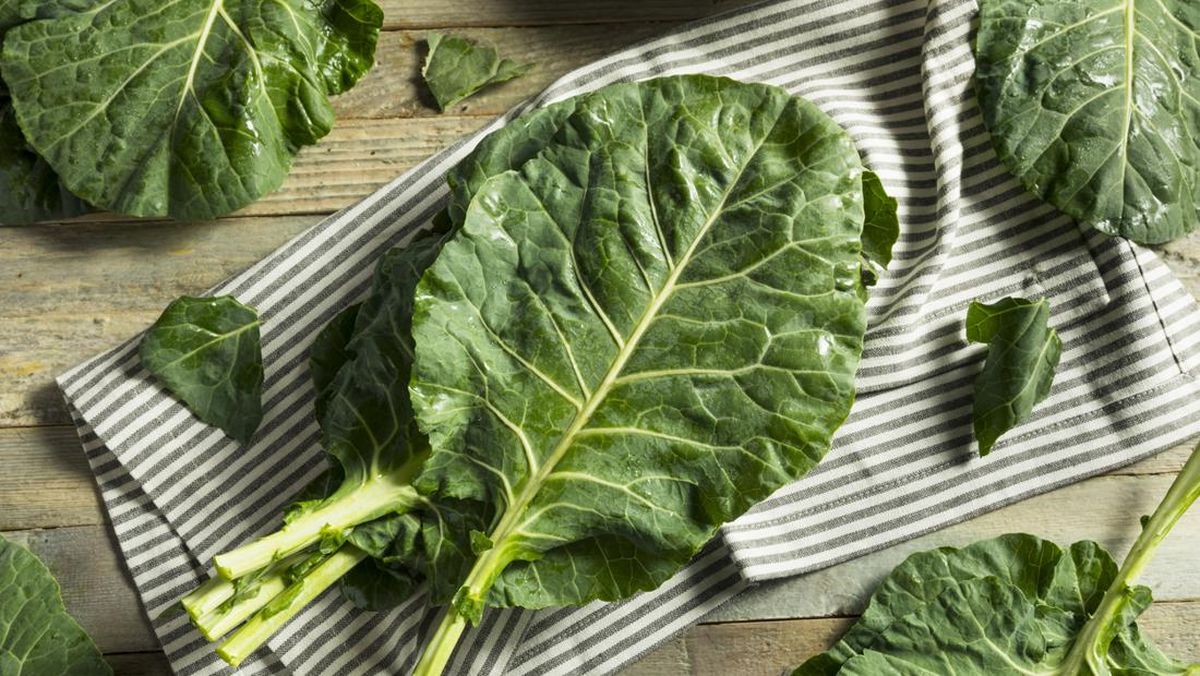
Rabbits are obligate herbivores characterized by their complex digestive systems, which are evolutionary designed to process high-fiber, low-energy diets primarily consisting of grasses, hay, and leafy greens. Despite their voracious appetites and seemingly indiscriminate chewing habits, these lagomorphs possess highly sensitive gastrointestinal tracts that are easily disrupted by improper nutrition. Veterinary experts and animal nutritionists consistently emphasize that not all plant-based matter—let alone human foods—is safe for rabbit consumption. Providing the wrong type of nutrition can lead to severe gastrointestinal stasis, toxic shock, and long-term organ damage. As rabbit ownership continues to rise globally, understanding the physiological constraints of these animals has become a critical component of responsible husbandry.
The Biological Rationale Behind Dietary Restrictions
To understand why certain foods are fatal to rabbits, one must examine their digestive anatomy. Rabbits are hindgut fermenters, meaning they rely on a specialized organ called the cecum, where bacteria break down fibrous plant material. This system thrives on a diet of approximately 80% high-quality grass hay, with the remainder composed of specific vegetables and limited pellets. When a rabbit consumes foods high in carbohydrates, fats, or toxic compounds, it causes a disruption in the delicate balance of the cecal microbiome. This imbalance can lead to the proliferation of harmful bacteria, the buildup of gas, and potentially fatal systemic toxicity.
Detailed Analysis of Toxic and Harmful Food Categories
The following list categorizes common household items that present significant risks to the health of pet rabbits. These findings are supported by veterinary data from organizations such as Oxbow Animal Health and the House Rabbit Society.
1. The Toxicity of Alpukat (Avocado)
While often touted as a "superfood" for humans, the avocado is strictly contraindicated for rabbits. The danger lies in a fungicidal toxin known as persin. Persin is found in varying concentrations throughout the entire avocado plant, including the skin, pit, leaves, and flesh. In rabbits, even small ingestions can trigger acute respiratory distress and severe cardiac arrhythmias. Clinical reports indicate that the toxin interferes with heart muscle function, often leading to rapid collapse and death if medical intervention is not immediate.
2. The Danger of Methylxanthines: Chocolate and Caffeine
Chocolate is widely recognized as toxic to many companion animals, and rabbits are no exception. The presence of theobromine and caffeine poses a significant risk to their cardiovascular and central nervous systems. Because rabbits are unable to metabolize these alkaloids efficiently, they experience rapid heart rate (tachycardia), tremors, and hyperthermia. Dark chocolate and cocoa powder, which contain higher concentrations of these compounds, are particularly lethal, even in minuscule quantities.
3. Allium Species and Hematologic Damage
Members of the allium family—including onions, garlic, shallots, and chives—contain organosulfoxides. When ingested, these compounds are converted into reactive oxidants that damage the integrity of red blood cells. This leads to Heinz body anemia, a condition where the oxygen-carrying capacity of the blood is drastically reduced. Owners may notice lethargy, pale gums, and a refusal to eat, which are symptomatic of the animal’s inability to transport oxygen effectively throughout its body.
4. The Incompatibility of Animal Proteins
Rabbits are biologically incapable of digesting animal proteins, fats, or dairy products. Dairy items like milk, cheese, and yogurt introduce fats and sugars that the rabbit’s gut flora cannot process. The consumption of these products leads to severe enteritis and the disruption of the gut-associated lymphoid tissue (GALT), which is essential for the rabbit’s immune function. Furthermore, eggs and meat are strictly excluded from their diet, as their ingestion can cause putrefaction within the cecum, leading to toxic shock.
5. High-Starch Hazards: Legumes and Tubers
Kibbled legumes, such as raw red kidney beans, are dangerous due to the presence of lectins, which can cause severe digestive inflammation. Similarly, starchy vegetables like potatoes—particularly when raw—contain solanine, a glycoalkaloid that acts as a natural pesticide for the plant but is a potent toxin for small mammals. The high starch content in these foods also encourages the growth of Clostridium bacteria in the gut, which produces dangerous toxins that can cause sudden death.
6. Mycological Risks: Mushrooms
Wild and store-bought mushrooms represent a significant health hazard. Many species contain mycotoxins that can cause irreversible liver and kidney damage. Because it is often difficult for a layperson to distinguish between safe and toxic fungal species, the universal recommendation from veterinary professionals is to exclude all mushrooms from the rabbit’s environment.
Chronology of Dietary Awareness in Rabbit Husbandry
The shift toward science-based rabbit nutrition has evolved significantly over the last two decades. In the early 2000s, commercial rabbit diets were often marketed with "treats" that contained seeds, nuts, and yogurt drops. However, a rise in cases of "GI Stasis"—a condition where the digestive tract stops moving—led veterinary researchers to re-evaluate these products.
By 2010, major veterinary associations began issuing standardized dietary guidelines, emphasizing hay as the foundation of the diet. This shift reduced the incidence of dental disease and obesity in pet populations. Today, the consensus is clear: the most common illnesses in pet rabbits—including malocclusion, obesity, and gastrointestinal blockages—are directly linked to suboptimal dietary choices.
Supporting Data and Clinical Implications
According to clinical studies, nearly 60% of emergency veterinary visits for rabbits are related to gastrointestinal issues. Of these cases, a significant percentage is attributed to the "accidental feeding" of inappropriate human foods. Data suggests that rabbits allowed to consume diets high in carbohydrates (such as bread, crackers, or sugary fruits) have a life expectancy 30% lower than those fed a strict high-fiber, hay-based diet.
The implications for owners are profound. Beyond the immediate physical pain suffered by the animal, the cost of treating metabolic disease or toxic ingestion can be substantial, often requiring hospitalization, fluid therapy, and motility agents. Furthermore, because rabbits are prey animals, they are experts at masking pain; by the time an owner notices a symptom—such as a refusal to eat—the underlying damage is often advanced.
Preventive Measures and Best Practices
To safeguard the health of their pets, owners should implement the following protocols:
- Strict Access Control: Keep toxic houseplants out of reach. Many common indoor plants, such as lilies, philodendrons, and ivy, are toxic if nibbled.
- Gradual Introduction: Any new, safe vegetable (such as romaine lettuce or cilantro) must be introduced in small quantities over several days to monitor for digestive upset.
- Environmental Management: Ensure that human food scraps are disposed of in secure bins that the rabbit cannot access during free-roaming time.
- Education: Owners should consult with exotic animal veterinarians to create a tailored nutritional plan that accounts for the rabbit’s age, weight, and activity level.
Broader Impact on Pet Welfare
The movement toward better dietary standards for rabbits is reflective of a broader evolution in animal welfare. As society gains a deeper understanding of the psychological and physiological needs of exotic pets, the "traditional" view of the rabbit as a low-maintenance, cage-bound animal is being replaced by a model of specialized, high-care companionship. This shift not only improves the individual quality of life for the animal but also reduces the burden on animal shelters, which frequently receive rabbits surrendered due to health complications stemming from improper care.
Ultimately, the responsibility of the owner extends beyond providing basic shelter; it requires an active, informed commitment to the biological requirements of the species. By eliminating the prohibited items listed above and focusing on a high-fiber, forage-based diet, owners can effectively mitigate the most common risks, ensuring that their rabbits lead long, healthy, and active lives. In the world of lagomorph care, the adage "you are what you eat" is not just a health mantra—it is a life-or-death reality.