
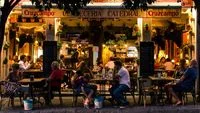
Spain has once again ascended to the pinnacle of global football, securing the 2026 FIFA World Cup title through a display of technical brilliance and tactical discipline that has captivated audiences worldwide. As the "La Roja" celebrates its latest achievement on the pitch, the international community has turned its gaze toward the Iberian Peninsula, not just for its sporting prowess but for the rich, often misunderstood cultural tapestry that defines the Spanish way of life. For many international observers, particularly those from Southeast Asian nations like Indonesia, the victory serves as a gateway to exploring a lifestyle that is as vibrant as it is distinct. While the world applauds Spain’s athletic success, travelers and cultural enthusiasts are discovering that the Spanish daily rhythm involves a series of social norms and traditions that can seem paradoxical to the uninitiated. From the timing of their meals to the specificities of their social greetings, the Spanish lifestyle is a testament to a culture that prioritizes social connection, historical legacy, and a unique perception of time.
The 2026 World Cup, hosted across North America, saw the Spanish national team navigate a grueling tournament to reclaim the trophy they last held in 2010. This victory has sparked a significant surge in "cultural tourism," with millions of fans planning visits to Madrid, Barcelona, Seville, and Valencia. However, as the influx of tourists grows, experts in cross-cultural communication emphasize the importance of understanding local idiosyncrasies to ensure a harmonious experience. Spain’s Ministry of Industry, Trade, and Tourism recently noted that cultural exchange is a cornerstone of the nation’s soft power, suggesting that the "Spanish Brand" (Marca España) is built as much on its social atmosphere as its economic or athletic output. To truly appreciate Spain in the wake of its World Cup glory, one must look beyond the stadiums and into the bars, homes, and plazas where daily life unfolds.
One of the most immediate cultural shocks for visitors is the Spanish concept of time, particularly concerning the evening meal. In many parts of the world, dinner is a ritual that concludes by 8:00 PM; however, in Spain, the night is often just beginning at that hour. Statistics from the Spanish Federation of Hospitality (FEHR) indicate that the peak operating hours for restaurants across the country occur between 9:30 PM and 11:30 PM. This delayed schedule is not merely a matter of preference but is rooted in a complex historical and geographical context. Following the Spanish Civil War, the nation’s time zone was shifted to align with Central European Time (CET), despite Spain’s geographical position suggesting it should follow Greenwich Mean Time (GMT). Consequently, the sun sets later relative to the clock, pushing the entire daily cycle forward.
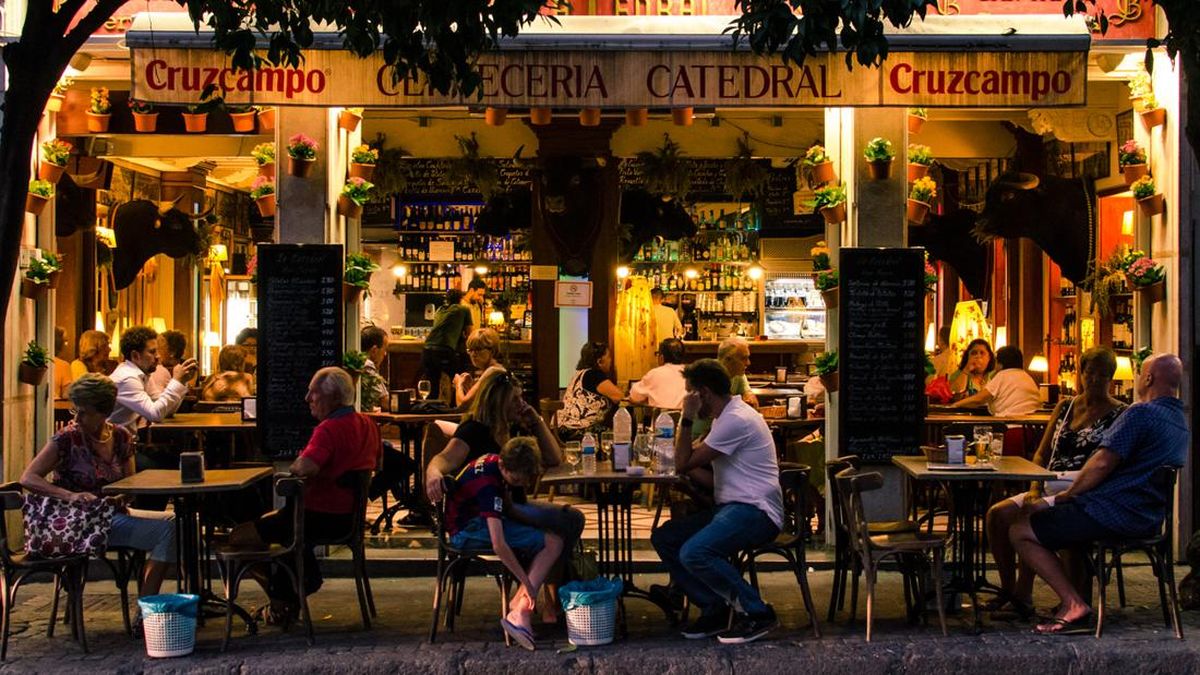
The Spanish culinary day is structured around five distinct eating periods, which explains why a 10:00 PM dinner does not result in hunger. The day begins with a light "desayuno" (breakfast), followed by a "almuerzo" (mid-morning snack) around 11:00 AM. The "comida" (lunch), served between 2:00 PM and 4:00 PM, remains the most significant meal of the day, often consisting of multiple courses and followed by the "sobremesa"—the tradition of lingering at the table to converse long after the food has been consumed. This is followed by the "merienda" (late afternoon snack), which bridges the gap to the late-night "cena" (dinner). For the international traveler, navigating this schedule requires a shift in biological expectations, as arriving at a restaurant at 7:00 PM will often find the establishment empty or still closed for the evening break.
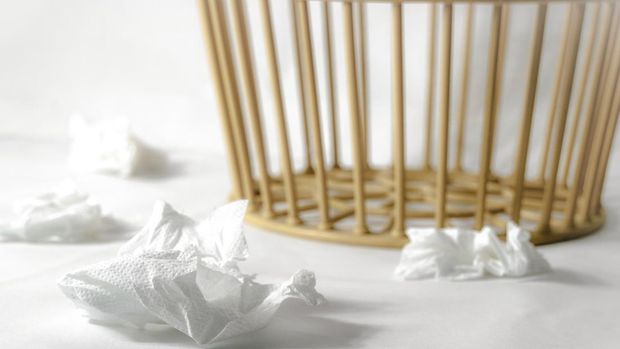
Beyond the dinner table, the environment of a traditional Spanish tapas bar presents another curious phenomenon: the presence of discarded napkins and olive pits on the floor. In many cultures, littering indoors is a sign of poor hygiene or a lack of respect for the establishment. In the context of a bustling Spanish "taberna," however, a floor covered in small, white paper tissues is historically viewed as a badge of honor. This custom signifies that the bar is popular and that the service is fast-paced. "A messy floor tells the story of a successful afternoon," notes cultural historian Dr. Elena Martinez. "It implies that the patrons were too engaged in conversation and the waiters too busy serving drinks to worry about the immediate tidiness of the floor." While modern establishments are increasingly adopting global standards of cleanliness, the sight remains common in traditional venues, where a dedicated staff member will sweep the floor in a single, efficient motion once the rush subsides.
Social interaction in Spain also follows a set of rules that can be misinterpreted by those from more "high-smile" cultures. In nations where smiling at strangers is a standard form of politeness, the neutral expression of a Spaniard on the street might be mistaken for coldness or hostility. Sociologists categorize Spain as a culture that distinguishes sharply between "public" and "private" social spheres. While Spaniards may not offer a performative smile to a stranger passing by, this is not an indication of unfriendliness. Rather, it is a reflection of a culture that values authenticity in emotional expression. Once an interaction begins—whether asking for directions or ordering a coffee—the "neutral" exterior typically dissolves into warmth and high-energy engagement. The Spanish sense of "simpatía" (congeniality) is deeply embedded in their social fabric, but it is earned through interaction rather than distributed indiscriminately.
This warmth is perhaps most physically evident in the "dos besos" (two kisses) greeting. In Spain, it is standard practice to greet friends, family, and even new acquaintances with a light kiss on each cheek, starting with the right. For visitors from cultures where a firm handshake or a respectful distance is the norm, this level of physical proximity can feel intensely intimate. Data from social behavior studies in the Mediterranean region suggest that this tactile form of greeting reinforces social trust and community cohesion. While the COVID-19 pandemic temporarily halted this tradition, it has seen a robust resurgence as a symbol of reclaimed normalcy. It is important to note the gendered nuances of this practice: while women greet both men and women with two kisses, men typically reserve the "besos" for women and opt for a handshake or a "brazo" (a firm pat on the back) with other men, though this is evolving among younger generations.
Furthermore, the auditory landscape of Spain is characterized by a volume and intensity that can be startling. To an outsider, a group of Spaniards engaged in a lively discussion might sound as though they are on the verge of a heated argument. In reality, the loud volume and frequent interruptions are hallmarks of a "high-involvement" communication style. In Spanish culture, speaking loudly and using expansive gestures is a sign of passion, interest, and active participation in the social moment. Silence is often viewed with suspicion or as a sign of boredom. This expressive nature is what many analysts believe translates into the "furia española" (Spanish fury) seen on the football pitch—a combination of intense emotion and relentless energy.
The implications of these cultural traits extend far beyond mere curiosity. As Spain solidifies its position as a global leader in sports and tourism following the 2026 World Cup, understanding these habits is crucial for diplomatic and economic relations. The Spanish hospitality sector, which accounts for approximately 13% of the national GDP, relies on the seamless integration of international visitors into these local rhythms. Tourism officials in Madrid have recently launched campaigns aimed at educating visitors on "Living the Spanish Way," encouraging them to embrace the late hours and the expressive social norms rather than resisting them.
In conclusion, Spain’s triumph in the 2026 World Cup has provided a global platform to showcase not just its athletic excellence, but its enduring and unique cultural identity. The habits that may seem "strange" to an outsider—the midnight dinners, the littered bar floors, the neutral stares, the double kisses, and the boisterous conversations—are the very elements that constitute the soul of the nation. They reflect a society that values the present moment, prioritizes human connection over rigid schedules, and expresses its passions without reservation. As the world continues to celebrate Spain’s victory, the true prize for the traveler lies in the discovery of a culture that, much like its football team, operates with a rhythm all its own, inviting the rest of the world to slow down, speak up, and join the celebration.
