
Jakarta, Indonesia – PT Pindad (Persero), the state-owned Indonesian defense and industrial company, has officially confirmed its non-involvement in the ambitious national electric motorcycle project. The company has clarified that its primary strategic focus remains firmly on the development and production of the national car (mobnas). The government has designated other entities to spearhead the electric motorcycle initiative.
Sigit Puji Santoso, President Director of PT Pindad (Persero) and concurrently President Director of the Danantara Development Management Fund, articulated Pindad’s distinct government mandate. "Pindad is focused on cars. For electric motorcycles, there will be other assignments," Sigit stated at the Presidential Palace complex, as reported by Antara news agency on Thursday, July 23.
Despite Pindad’s dissociation from the electric motorcycle venture, Sigit revealed that the national electric motorcycle is slated for an imminent launch by President Prabowo Subianto. However, he declined to provide further specifics, indicating that all details will be officially unveiled by the head of state himself.
A key aspect of the national electric motorcycle’s unveiling, Sigit assured, is that it will not carry any existing brand names prevalent in the current market. Instead, the vehicle will be introduced under a novel brand, meticulously developed by Indonesian engineers and designers. "No, there will be a new brand and the design will be by Indonesian engineers, designed by us. The design and production will be from us," he elaborated.
Sigit reiterated Pindad’s non-responsibility for the production of the national electric motorcycle. He indicated that the government would announce the company tasked with this undertaking during the official launch ceremony. "No. Mr. (President Prabowo) will announce that on the 13th," Sigit stated, referencing a specific date for the announcement.
Background and Government Vision for Electric Mobility
The government’s push for a national electric motorcycle aligns with President Prabowo Subianto’s broader vision to bolster the domestic automotive industry and accelerate the adoption of environmentally friendly transportation solutions. This initiative is seen as a crucial step in Indonesia’s transition towards sustainable energy and a reduction in its carbon footprint.
Indonesia, an archipelago with a vast population and a growing demand for personal transportation, faces significant challenges related to traffic congestion and air pollution, particularly in urban centers. The widespread adoption of electric vehicles (EVs), including motorcycles, is anticipated to contribute to cleaner air and a decreased reliance on fossil fuels.
The President has expressed hope that the national electric motorcycle will be widely accessible and beneficial to various segments of society, including farmers, serving as an efficient and affordable mode of transportation. This sentiment underscores the government’s objective to ensure that technological advancements translate into tangible benefits for the general populace.
Pindad’s Strategic Realignment and the "Mobnas" Ambition
PT Pindad’s strategic decision to concentrate on the national car project underscores its long-term commitment to developing indigenous automotive capabilities. The company has a history of involvement in strategic national projects, ranging from defense equipment to industrial machinery. Its foray into the automotive sector, particularly with the "mobnas" initiative, represents a significant diversification and a bid to establish a strong foothold in a competitive market.
The concept of a "mobnas" or national car has been a recurring theme in Indonesia’s industrial policy for decades, with various attempts and projects launched over the years. The current iteration under President Prabowo’s administration aims to leverage local expertise and manufacturing capacity to produce vehicles that are not only affordable but also meet international standards of quality and safety.
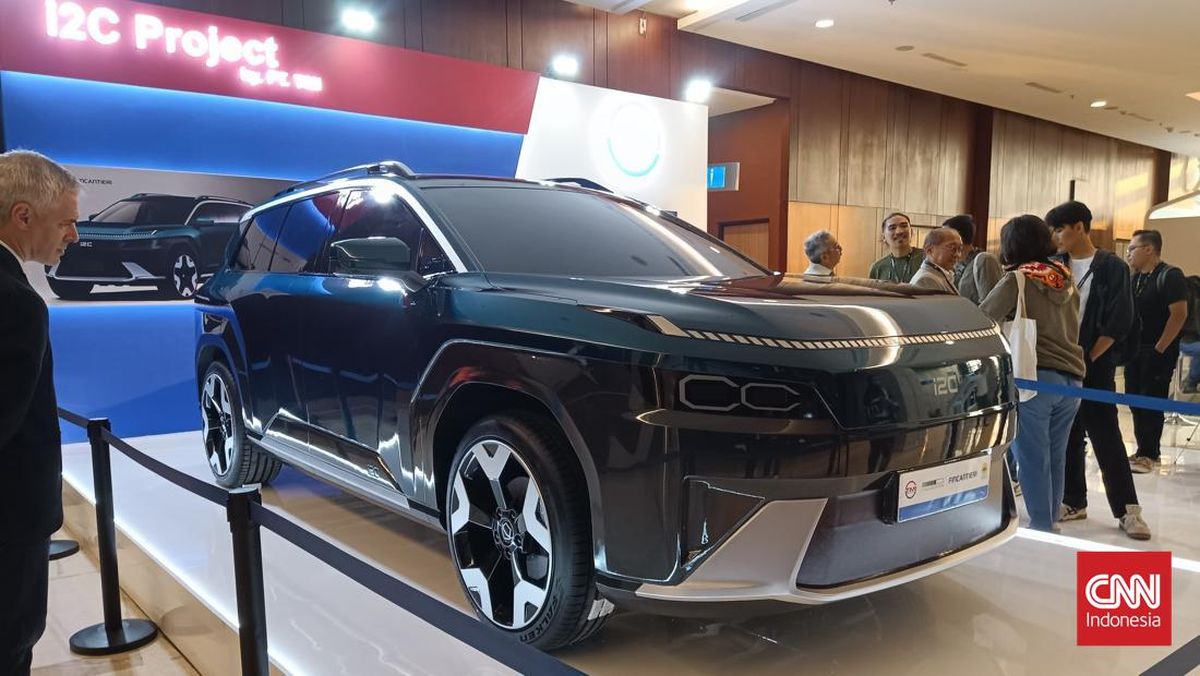
Pindad’s role in the "mobnas" project is expected to involve advanced manufacturing techniques, quality control, and potentially the integration of locally sourced components. The success of this venture could have far-reaching implications for the Indonesian economy, fostering job creation, stimulating technological innovation, and reducing the nation’s dependence on imported vehicles.
The National Electric Motorcycle: A Glimpse into the Future
While Pindad steps aside from the electric motorcycle project, the government’s commitment to this sector remains strong. The anticipated launch of a new national brand signifies a desire to create a distinct identity for Indonesian-made electric two-wheelers. This move could also be a strategic attempt to avoid diluting existing brand equity or to establish a clear market positioning for this new segment.
The emphasis on "Indonesian engineers" and "design by us" highlights a nationalistic approach to technological development, aiming to showcase the country’s intellectual capital and creative prowess. This narrative is crucial for building public trust and pride in domestically produced innovations.
The specific date of "the 13th" for the announcement by President Prabowo suggests a carefully planned rollout strategy. This date could coincide with a significant national event or a planned economic forum, maximizing the impact and visibility of the announcement.
Broader Implications for Indonesia’s Automotive Landscape
The bifurcation of focus between Pindad’s national car and the separate national electric motorcycle project reveals a nuanced approach by the government to developing its automotive sector. This strategy acknowledges the distinct market dynamics, technological requirements, and potential consumer bases for four-wheeled and two-wheeled electric vehicles.
The success of the national electric motorcycle project hinges on several factors:
- Technological Advancement: The ability to develop batteries with sufficient range, charging infrastructure, and efficient motor technology will be crucial for consumer acceptance.
- Affordability: To achieve widespread adoption, the price point must be competitive with existing gasoline-powered motorcycles and accessible to a broad demographic.
- Government Support and Incentives: Continued policy support, including potential subsidies, tax breaks, and the expansion of charging networks, will be vital.
- Manufacturing Capability: The designated entity will need robust manufacturing capabilities and a reliable supply chain to meet potential demand.
- Consumer Education and Awareness: A concerted effort to educate the public about the benefits of electric motorcycles, including cost savings and environmental advantages, will be necessary.
The development of a national electric motorcycle brand could also pave the way for Indonesia to become a regional player in the electric two-wheeler market, potentially leading to export opportunities. This aligns with the government’s broader economic agenda of increasing domestic value addition and fostering export-oriented industries.
Looking Ahead: A Dual Approach to Sustainable Mobility
Pindad’s steadfast commitment to the national car project, coupled with the government’s dedicated push for a national electric motorcycle, paints a picture of a nation actively pursuing a diversified and sustainable future for its transportation sector. While the specifics of the electric motorcycle’s development remain under wraps, the clear delineation of roles suggests a strategic and coordinated effort to harness the country’s industrial potential.
The upcoming announcement by President Prabowo Subianto is highly anticipated, as it will not only reveal the identity of the entity behind the national electric motorcycle but also provide a clearer roadmap for its production, market entry, and potential impact on Indonesia’s journey towards electric mobility and a greener future. This dual approach, focusing on both cars and motorcycles, signals a comprehensive strategy to address the diverse transportation needs of the Indonesian population while championing technological innovation and environmental responsibility.
